A Democratic bill with 17 Republican cosponsors · See all 74 cosponsors
Last activity — Referred to the House Committee on Energy and Commerce.
In committee
Introduced and handed to a committee in the chamber it started in.
The committee holds it, and most bills are never heard from again. A hearing or a committee vote would be news; silence is the usual outcome, and it kills the bill without anyone voting against it.
Its path through Congress
- Introduced
- In Committee
What this bill would do
This bill, known as the "SCREENS for Cancer Act of 2025," aims to amend the Public Health Service Act. It focuses on reauthorizing and improving the National Breast and Cervical Cancer Early Detection Program for fiscal years 2026 through 2030. The legislation seeks to expand services to include prevention, detection, and control of breast and cervical cancers. It also emphasizes improving equitable access and reducing health disparities. Additionally, the bill provides specific funding of $235,000,000 for these years. Finally, it mandates a GAO study to assess the program's effectiveness and trends.
Yes· 3 of 18
- Scored +7
Would women be better off under this?
The bill directly improves health access and outcomes specifically for women through cancer screening programs.
- Scored +5
Would households on low incomes be better off under this?
The bill specifically targets low-income, uninsured, or underinsured women for essential screenings.
- Scored +5
Would Native Americans be better off under this?
The bill explicitly includes support for 13 Tribes or Tribal organizations in its program scope.
The opposite
No question was scored the opposite.
Who it would affect, and how
Potential Positive Impacts for People
-
Expanded Cancer Services: The bill shifts the program's focus to include the "prevention, detection, and control" of cancers rather than just detection and control (Section 3, Section 1501).
-
Improved Support and Navigation: The bill adds language to enhance support activities such as "navigation of health care services" and the implementation of strategies to increase screening in health care settings (Section 3, Section 1501).
-
Increased Access and Reduced Barriers: Provisions are included to "improve equitable access to breast and cervical cancer screening and diagnostic services" and to reduce barriers related to negative health outcomes (Section 3, Section 1501).
-
Reduction in Health Disparities: The bill aims to "reduce disparities in incidents of and deaths due to breast and cervical cancer" in populations facing higher-than-average rates (Section 3, Section 1501).
-
Consistent Diagnostic Standards: The bill ensures that "appropriate breast and cervical cancer screening and diagnostic services are provided consistent with relevant evidence-based recommendations" (Section 3, Section 1503).
-
Program Oversight and Data Collection: A GAO study is required to estimate eligible individuals, summarize service trends, and assess barriers to accessing screenings (Section 4).
Potential Negative Impacts for People
- No negative impacts or burdens are explicitly mentioned in the provided text.
Groups and Interests Ranking
Every group the model scored this bill for, from -10 to +10. Tap or hover a score for the reason it gave.
- Demographic And Interest Groups
- Would women be better off under this? — The bill directly improves health access and outcomes specifically for women through cancer screening programs. Would households on low incomes be better off under this? — The bill specifically targets low-income, uninsured, or underinsured women for essential screenings. Would Native Americans be better off under this? — The bill explicitly includes support for 13 Tribes or Tribal organizations in its program scope. Would Black Americans be better off under this? — The bill's focus on reducing disparities is particularly relevant for minority populations facing higher cancer rates. Would Asian Americans be better off under this? — The bill's focus on reducing disparities is particularly relevant for minority populations facing higher cancer rates. Would Hispanic Americans be better off under this? — The bill's focus on reducing disparities is particularly relevant for minority populations facing higher cancer rates. Would people in rural areas be better off under this? — The emphasis on outreach for geographically isolated individuals provides significant benefits for rural residents. Would immigrants be better off under this? — The program assists underinsured populations, which can include immigrant communities. Would people in middle age be better off under this? — Increased cancer screening is highly beneficial for middle-aged demographics at risk for breast and cervical cancer. Would retired people be better off under this? — Improved health services are beneficial for the elderly/retiree demographic. Would people over 65 be better off under this? — Increased cancer screening is highly beneficial for seniors at risk for breast and cervical cancer. Would middle-income households be better off under this? — The expansion of services may benefit middle-class individuals who are underinsured.
- Social Issues And Justice
- Does this narrow the gap between how men and women are treated? — The bill targets breast and cervical cancer, which primarily affect women, to improve equitable access to services. Does this narrow racial gaps in how people are treated? — The bill aims to reduce health disparities in populations with higher-than-average cancer rates. Is this likely to lift people out of poverty? — The program targets low-income, uninsured, or underinsured women to provide essential health services.
- Healthcare
- Does this make health care easier to get in general? — The bill reauthorizes and expands services for breast and cervical cancer screenings to improve access for underserved populations.
- Environment Energy And Infrastructure
- Does this invest in rural communities? — The bill emphasizes outreach to women who are geographically isolated, which can include rural areas.
- Governance And Ideology
- Does this make what the government does easier for the public to see? — The bill mandates a GAO study to assess program effectiveness and trends, which increases transparency.
- 10/22/2026
- 3 Cosponsors added.
- 7/15/2026
- 1 Cosponsor added.
- 6/29/2026
- 3 Cosponsors added.
- 5/26/2026
- 1 Cosponsor added.
- 5/21/2026
- 1 Cosponsor added.
- 5/20/2026
- 3 Cosponsors added.
- 5/12/2026
- 4 Cosponsors added.
- 4/30/2026
- 1 Cosponsor added.
- 4/28/2026
- 3 Cosponsors added.
- 4/16/2026
- 3 Cosponsors added.
- 2/2/2026
- 1 Cosponsor added.
- 12/9/2025
- 3 Cosponsors added.
- 11/17/2025
- 1 Cosponsor added.
- 11/7/2025
- 1 Cosponsor added.
- 10/24/2025
- 2 Cosponsors added.
- 10/21/2025
- 2 Cosponsors added.
- 9/15/2025
- 1 Cosponsor added.
- 9/3/2025
- 2 Cosponsors added.
- 7/23/2025
- 1 Cosponsor added.
- 7/22/2025
- 1 Cosponsor added.
- 7/21/2025
- 2 Cosponsors added.
- 7/16/2025
- 2 Cosponsors added.
- 6/27/2025
- 4 Cosponsors added.
- 6/24/2025
- 1 Cosponsor added.
- 6/23/2025
- 1 Cosponsor added.
- 6/9/2025
- 2 Cosponsors added.
- 6/5/2025
- 3 Cosponsors added.
- 5/13/2025
- 1 Cosponsor added.
- 5/5/2025
- 2 Cosponsors added.
- 5/1/2025
- 1 Cosponsor added.
- 4/30/2025
- 2 Cosponsors added.
- 4/29/2025
- 1 Cosponsor added.
- 4/28/2025
- 2 Cosponsors added.
- 4/10/2025
- 1 Cosponsor added.
- 4/9/2025
- 2 Cosponsors added.
- 4/8/2025
- 3 Cosponsors added.
- 4/7/2025
- 5 Cosponsors added.
- 3/26/2025
- Referred to the House Committee on Energy and Commerce.
- 1 Cosponsor added.
- Introduced in House
One bill Congress.gov lists as related to this one — companions in the other chamber, earlier versions, and bills this one absorbed or was folded into.
 Alma Adams
Democrat · North Carolina
 Sanford Bishop
Democrat · Georgia
 Stephanie Bice
Republican · Oklahoma
 Mike Bost
Republican · Illinois
 Don Bacon
Republican · Nebraska
 Nanette Barragán
Democrat · California
 Becca Balint
Democrat · Vermont
 Wesley Bell
Democrat · Missouri
 Janelle Bynum
Democrat · Oregon
 Kathy Castor
Democrat · Florida
 Yvette Clarke
Democrat · New York
 Steve Cohen
Democrat · Tennessee
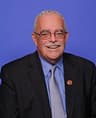 Gerald Connolly
Democrat · Virginia
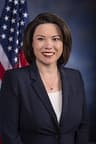 Angie Craig
Democrat · Minnesota
 Troy Carter
Democrat · Louisiana
 Donald Davis
Democrat · North Carolina
 Lloyd Doggett
Democrat · Texas
 Debbie Dingell
Democrat · Michigan
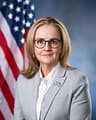 Madeleine Dean
Democrat · Pennsylvania
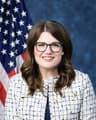 Sarah Elfreth
Democrat · Maryland
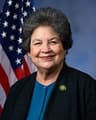 Lois Frankel
Democrat · Florida
 Brian Fitzpatrick
Republican · Pennsylvania
 Valerie Foushee
Democrat · North Carolina
 Laura Friedman
Democrat · California
 Josh Gottheimer
Democrat · New Jersey
 Jesús García
Democrat · Illinois
 Daniel Goldman
Democrat · New York
 Maggie Goodlander
Democrat · New Hampshire
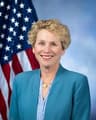 Chrissy Houlahan
Democrat · Pennsylvania
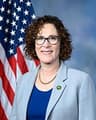 Val Hoyle
Democrat · Oregon
 Jonathan Jackson
Democrat · Illinois
 Mike Kelly
Republican · Pennsylvania
 Young Kim
Republican · California
 Thomas Kean
Republican · New Jersey
 Timothy Kennedy
Democrat · New York
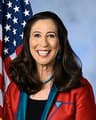 Teresa Leger Fernandez
Democrat · New Mexico
 John Larson
Democrat · Connecticut
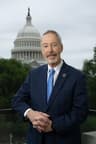 Stephen Lynch
Democrat · Massachusetts
 Ted Lieu
Democrat · California
 Darin LaHood
Republican · Illinois
 Julia Letlow
Republican · Louisiana
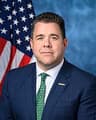 Nick LaLota
Republican · New York
 Michael Lawler
Republican · New York
 Gwen Moore
Democrat · Wisconsin
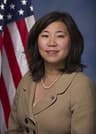 Grace Meng
Democrat · New York
 Seth Moulton
Democrat · Massachusetts
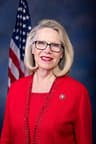 Carol Miller
Republican · West Virginia
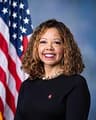 Lucy McBath
Democrat · Georgia
 Mariannette Miller-Meeks
Republican · Iowa
 Jared Moskowitz
Democrat · Florida
 Seth Magaziner
Democrat · Rhode Island
 Jennifer McClellan
Democrat · Virginia
 Sarah McBride
Democrat · Delaware
 Eleanor Norton
Democrat · District of Columbia
 Zachary Nunn
Republican · Iowa
 Chellie Pingree
Democrat · Maine
 Mark Pocan
Democrat · Wisconsin
 Scott Peters
Democrat · California
 Deborah Ross
Democrat · North Carolina
 Josh Riley
Democrat · New York
 Maria Salazar
Republican · Florida
 Darren Soto
Democrat · Florida
 Thomas Suozzi
Democrat · New York
 Mikie Sherrill
Democrat · New Jersey
 Haley Stevens
Democrat · Michigan
 Bennie Thompson
Democrat · Mississippi
 Paul Tonko
Democrat · New York
 Rashida Tlaib
Democrat · Michigan
 Ritchie Torres
Democrat · New York
 Shri Thanedar
Democrat · Michigan
 Jefferson Van Drew
Republican · New Jersey
 Joe Wilson
Republican · South Carolina
 Debbie Wasserman Schultz
Democrat · Florida
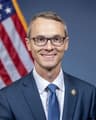 James Walkinshaw
Democrat · Virginia