
A Democratic bill with 44 Republican cosponsors · See all 51 cosponsors
Last activity — Referred to the Committee on Energy and Commerce, and in addition to the Committee on Ways and Means, for a period to be subsequently determined by the Speaker, in each case for consideration of such provisions as fall within the jurisdiction of the committee concerned.
In committee
Introduced and handed to a committee in the chamber it started in.
The committee holds it, and most bills are never heard from again. A hearing or a committee vote would be news; silence is the usual outcome, and it kills the bill without anyone voting against it.
Its path through Congress
- Introduced
- In Committee
What this bill would do
This bill is called the Maintaining Investments in New Innovation Act. It amends title XI of the Social Security Act. The main goal of the bill is to protect access to genetically targeted technologies. It changes the definition and timeline for certain qualifying single source drugs. Specifically, it adds an 11-year timeline for advanced drug products.
Yes· 3 of 4
- Scored +5
Would business owners be better off under this?
Pharmaceutical companies developing advanced drug products benefit from increased periods of market exclusivity.
- Scored +3
Is this likely to grow the economy?
The extension of market exclusivity for advanced drug products incentivizes investment in new medical technologies.
- Scored +2
Does this put more money into scientific research?
The bill promotes medical innovation by providing longer exclusivity for drugs using gene-modulating technologies.
The opposite
- Scored -4
Does this lower the price of prescription medicines?
Extending exclusivity periods from 7 to 11 years delays the entry of cheaper generic or biosimilar competitors into the market.
- Scored -2
Would households on low incomes be better off under this?
Delayed competition from generics due to extended exclusivity may keep medication prices higher for longer.
Who it would affect, and how
Potential Positive Impacts for People
- Section 2 extends the timeline from 7 years to 11 years for an advanced drug product, which is defined as a drug incorporating a genetically targeted technology that modulates gene function. This could be considered positive because it encourages continued investment and development in advanced medical treatments for the people who need them.
Potential Negative Impacts for People
- Based on the provided text, there are no specific sections or provisions identified that outline negative consequences or burdens for individuals or groups of people.
Groups and Interests Ranking
Every group the model scored this bill for, from -10 to +10. Tap or hover a score for the reason it gave.
- Demographic And Interest Groups
- Would business owners be better off under this? — Pharmaceutical companies developing advanced drug products benefit from increased periods of market exclusivity. Would households on low incomes be better off under this? — Delayed competition from generics due to extended exclusivity may keep medication prices higher for longer.
- Economy And Finance
- Is this likely to grow the economy? — The extension of market exclusivity for advanced drug products incentivizes investment in new medical technologies.
- Education And Technology
- Does this put more money into scientific research? — The bill promotes medical innovation by providing longer exclusivity for drugs using gene-modulating technologies.
- Healthcare
- Does this put more money into medical research? — The bill encourages research and development into genetically targeted technologies by increasing the period of market exclusivity. Does this lower the price of prescription medicines? — Extending exclusivity periods from 7 to 11 years delays the entry of cheaper generic or biosimilar competitors into the market.
- 9/24/2026
- 1 Cosponsor added.
- 9/4/2026
- 1 Cosponsor added.
- 8/27/2026
- 1 Cosponsor added.
- 8/10/2026
- 2 Cosponsors added.
- 6/25/2026
- 1 Cosponsor added.
- 6/18/2026
- 3 Cosponsors added.
- 4/15/2026
- 1 Cosponsor added.
- 3/20/2026
- 1 Cosponsor added.
- 1/13/2026
- 1 Cosponsor added.
- 12/9/2025
- 1 Cosponsor added.
- 12/4/2025
- 1 Cosponsor added.
- 11/21/2025
- 3 Cosponsors added.
- 11/17/2025
- 1 Cosponsor added.
- 11/10/2025
- 1 Cosponsor added.
- 11/4/2025
- 1 Cosponsor added.
- 10/31/2025
- 4 Cosponsors added.
- 10/17/2025
- 1 Cosponsor added.
- 10/3/2025
- 1 Cosponsor added.
- 9/30/2025
- 3 Cosponsors added.
- 9/17/2025
- 1 Cosponsor added.
- 9/2/2025
- 1 Cosponsor added.
- 6/10/2025
- 1 Cosponsor added.
- 6/4/2025
- 1 Cosponsor added.
- 5/13/2025
- 1 Cosponsor added.
- 5/9/2025
- 1 Cosponsor added.
- 4/10/2025
- 1 Cosponsor added.
- 4/9/2025
- 1 Cosponsor added.
- 3/27/2025
- 1 Cosponsor added.
- 2/27/2025
- Referred to the Committee on Energy and Commerce, and in addition to the Committee on Ways and Means, for a period to be subsequently determined by the Speaker, in each case for consideration of such provisions as fall within the jurisdiction of the committee concerned.
- 13 Cosponsors added.
- Introduced in House
 Rick Allen
Republican · Georgia
 Gus Bilirakis
Republican · Florida
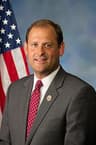 Andy Barr
Republican · Kentucky
 Troy Balderson
Republican · Ohio
 Aaron Bean
Republican · Florida
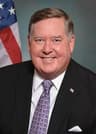 Ken Calvert
Republican · California
 Earl Carter
Republican · Georgia
 Dan Crenshaw
Republican · Texas
 Mike Carey
Republican · Ohio
 Neal Dunn
Republican · Florida
 Chuck Edwards
Republican · North Carolina
 Gabe Evans
Republican · Colorado
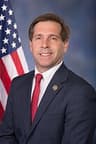 Charles Fleischmann
Republican · Tennessee
 Brian Fitzpatrick
Republican · Pennsylvania
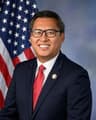 Vince Fong
Republican · California
 Vicente Gonzalez
Democrat · Texas
 Josh Gottheimer
Democrat · New Jersey
 Richard Hudson
Republican · North Carolina
 Kevin Hern
Republican · Oklahoma
 Ashley Hinson
Republican · Iowa
 Mike Haridopolos
Republican · Florida
 John Joyce
Republican · Pennsylvania
 Brian Jack
Republican · Georgia
 Mike Kelly
Republican · Pennsylvania
 Thomas Kean
Republican · New Jersey
 Laurel Lee
Republican · Florida
 Michael Lawler
Republican · New York
 Nicholas Langworthy
Republican · New York
 Nicole Malliotakis
Republican · New York
 John Moolenaar
Republican · Michigan
 Daniel Meuser
Republican · Pennsylvania
 Joseph Morelle
Democrat · New York
 Blake Moore
Republican · Utah
 Mariannette Miller-Meeks
Republican · Iowa
 Jared Moskowitz
Democrat · Florida
 Nathaniel Moran
Republican · Texas
 Kevin Mullin
Democrat · California
 Tim Moore
Republican · North Carolina
 Addison McDowell
Republican · North Carolina
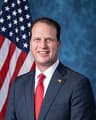 August Pfluger
Republican · Texas
 Scott Peters
Democrat · California
 Brittany Pettersen
Democrat · Colorado
 Michael Rulli
Republican · Ohio
 Pete Sessions
Republican · Texas
 Adrian Smith
Republican · Nebraska
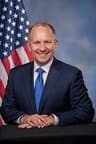 Lloyd Smucker
Republican · Pennsylvania
 Jefferson Shreve
Republican · Indiana
 Claudia Tenney
Republican · New York
 Beth Van Duyne
Republican · Texas
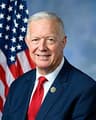 Randy Weber
Republican · Texas
 Rudy Yakym
Republican · Indiana