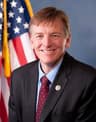
A Republican bill with 3 Democratic cosponsors · See all 9 cosponsors
Last activity — Referred to the House Committee on the Judiciary.
In committee
Introduced and handed to a committee in the chamber it started in.
The committee holds it, and most bills are never heard from again. A hearing or a committee vote would be news; silence is the usual outcome, and it kills the bill without anyone voting against it.
Its path through Congress
- Introduced
- In Committee
What this bill would do
This bill, titled the "Downwinders Parity Act of 2025," aims to amend the Radiation Exposure Compensation Act. It seeks to change how certain communities are included under the existing act. The legislation also extends the date for the trust fund. Additionally, it requires the Attorney General to submit a report regarding outreach efforts.
Yes· 3 of 6
- Scored +5
Would people in rural areas be better off under this?
The bill expands coverage to all acreage in counties part of the designated area, benefiting rural residents.
- Scored +5
Does this make health care easier to get in general?
Expanding eligibility under the Radiation Exposure Compensation Act provides financial assistance for health-related impacts of radiation exposure.
- Scored +4
Would Native Americans be better off under this?
The expanded geographical coverage likely includes more individuals in tribal and rural areas impacted by radiation.
The opposite
- Scored -1
Does this reduce what the federal government spends?
Extending the trust fund date to 2030 maintains long-term government liability for compensation payments.
Who it would affect, and how
Potential Positive Impacts for People
-
Expanded Eligibility for Benefits: By amending subparagraph (B) and (C) of Section 4(b)(1), the bill changes the geographical requirements for inclusion under the Radiation Exposure Compensation Act (Section 2). This expands the coverage to include all acreage in any county that is part of the designated area.
-
Extended Funding Availability: The bill changes the expiration date of the trust fund to December 31, 2030 (Section 3). This ensures that the fund remains active for a longer period than previously scheduled.
-
Increased Outreach and Education: The Attorney General is required to submit a report within 180 days regarding efforts to educate and conduct outreach to persons who are newly eligible for benefits (Section 4). This helps ensure people know they are entitled to benefits under the new amendments.
Potential Negative Impacts for People
- No specific negative impacts are explicitly stated in the provided text.
Groups and Interests Ranking
Every group the model scored this bill for, from -10 to +10. Tap or hover a score for the reason it gave.
- Demographic And Interest Groups
- Would people in rural areas be better off under this? — The bill expands coverage to all acreage in counties part of the designated area, benefiting rural residents. Would Native Americans be better off under this? — The expanded geographical coverage likely includes more individuals in tribal and rural areas impacted by radiation. Would households on low incomes be better off under this? — The expanded compensation eligibility provides financial relief to impacted communities.
- Healthcare
- Does this make health care easier to get in general? — Expanding eligibility under the Radiation Exposure Compensation Act provides financial assistance for health-related impacts of radiation exposure.
- Governance And Ideology
- Does this make what the government does easier for the public to see? — The bill requires the Attorney General to submit a report on outreach and education efforts for newly eligible persons.
- Social Issues And Justice
- Is this likely to lift people out of poverty? — The bill expands eligibility for compensation benefits to residents in specific geographic areas.
- Economy And Finance
- Does this reduce what the federal government spends? — Extending the trust fund date to 2030 maintains long-term government liability for compensation payments.
- 5/15/2025
- 1 Cosponsor added.
- 2/14/2025
- Referred to the House Committee on the Judiciary.
- 8 Cosponsors added.
- Introduced in House
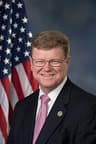 Mark Amodei
Republican · Nevada
 Abraham Hamadeh
Republican · Arizona
 Mike Kennedy
Republican · Utah
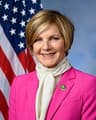 Susie Lee
Democrat · Nevada
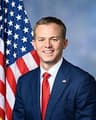 Blake Moore
Republican · Utah
 Celeste Maloy
Republican · Utah
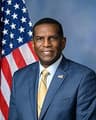 Burgess Owens
Republican · Utah
 Greg Stanton
Democrat · Arizona
 Dina Titus
Democrat · Nevada