
Marsha Blackburn (R-TN)
A resolution designating October 30, 2025, as a national day of remembrance for the workers of the nuclear weapons program of the United States.
A Republican resolution with 10 Democratic cosponsors · See all 13 cosponsors
Last activity — Submitted in the Senate, considered, and agreed to without amendment and with a preamble by Unanimous Consent. (consideration: CR S7755-7756; text: CR S7754-7755)
Adopted
The chamber formally agreed to it, and for a resolution that is the finish line: what it says is now officially the chamber's position, rule or tribute.
Nothing more is needed. A resolution is how a chamber speaks for itself or sets its own rules, so adopting it is what puts it into effect. It is not a law, so there is nothing for the President to sign.
Its path through Congress
- Introduced
- Officially Recorded
- Adopted by the Senate unanimous consent
A Senate resolution is the Senate speaking for itself: stating a position, honouring someone, or setting its own rules. Adopting it is the whole process. Once the Senate agrees to it, it is officially the Senate's word; it is not a law, so the House and the President have no part in it.
The Senate by unanimous consent (no one objected, so there was no vote): no senator's position on it was recorded.
What this bill would do
This resolution designates October 30, 2025, as a national day of remembrance for the workers of the United States nuclear weapons program. It recognizes the hundreds of thousands of patriotic men and women, including uranium miners, millers, haulers, plutonium processors, and test participants, who served the country since World War II. The text notes that these dedicated workers paid a high price for advancing the program, often developing disabling or fatal illnesses. The Senate has previously recognized these contributions and sacrifices in multiple resolutions across past Congresses. Finally, the measure encourages the American people to support and participate in ceremonies and activities commemorating these past and present workers.
Yes· 3 of 4
- Scored +2
Would people over 65 be better off under this?
Many surviving workers and participants of the historic nuclear weapons program are elderly.
- Scored +2
Would veterans be better off under this, taking everything together?
The resolution recognizes the service and sacrifices of individuals who supported national defense efforts.
- Scored +2
Would retired people be better off under this?
Retirees who worked in the nuclear weapons program receive formal national recognition for their service.
The opposite
No question was scored the opposite.
Who it would affect, and how
Potential Positive Impacts for People
-
Recognition of Workers: The resolution designates October 30, 2025, as a national day of remembrance in Resolved (1) to honor the workers of the United States nuclear weapons program. This is a positive outcome because it recognizes the contributions, services, and sacrifices made by uranium miners, millers, haulers, plutonium processors, and onsite test participants.
-
Public Commemoration: The measure encourages the people of the United States to support and participate in appropriate ceremonies, programs, and other activities in Resolved (2). This benefits the public by promoting community involvement and remembrance for past and present workers who developed disabling or fatal illnesses while serving the country.
Potential Negative Impacts for People
- None Identified: The provided text does not contain any sections or provisions that outline negative consequences or burdens for individuals or groups of people in the United States.
Groups and Interests Ranking
Every group the model scored this bill for, from -10 to +10. Tap or hover a score for the reason it gave.
- Demographic And Interest Groups
- Would retired people be better off under this? — Retirees who worked in the nuclear weapons program receive formal national recognition for their service. Would people over 65 be better off under this? — Many surviving workers and participants of the historic nuclear weapons program are elderly. Would veterans be better off under this, taking everything together? — The resolution recognizes the service and sacrifices of individuals who supported national defense efforts.
- National Security And Foreign Policy
- Does this increase the pay, pensions or support veterans receive? — The resolution honors past and present defense workers who served the nuclear weapons program.
- 10/27/2025
- Passed/agreed to in Senate: Submitted in the Senate, considered, and agreed to without amendment and with a preamble by Unanimous Consent.
- Submitted in the Senate, considered, and agreed to without amendment and with a preamble by Unanimous Consent. (consideration: CR S7755-7756; text: CR S7754-7755)
- 13 Cosponsors added.
- Introduced in Senate
 Michael Bennet
Democrat · Colorado
 Maria Cantwell
Democrat · Washington
 Catherine Cortez Masto
Democrat · Nevada
 Lindsey Graham
Republican · South Carolina
 Ruben Gallego
Democrat · Arizona
 John Hickenlooper
Democrat · Colorado
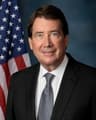 Bill Hagerty
Republican · Tennessee
 Martin Heinrich
Democrat · New Mexico
 Ben Luján
Democrat · New Mexico
 Mitch McConnell
Republican · Kentucky
 Patty Murray
Democrat · Washington
 Jacky Rosen
Democrat · Nevada
 Charles Schumer
Democrat · New York