
A Republican bill with 1 Democratic cosponsor · See all 2 cosponsors
Last activity — Read twice and referred to the Committee on Health, Education, Labor, and Pensions.
In committee
Introduced and handed to a committee in the chamber it started in.
The committee holds it, and most bills are never heard from again. A hearing or a committee vote would be news; silence is the usual outcome, and it kills the bill without anyone voting against it.
Its path through Congress
- Introduced
- In Committee
What this bill would do
The Secure Drug Supply Chain Act of 2026 directs the FDA to prevent the importation of counterfeit, unapproved, misbranded, or adulterated drugs. It places specific emphasis on stopping these products from the People's Republic of China and other adversarial nations. The bill seeks to increase visibility into the U.S. pharmaceutical supply chain and reduce dependence on active pharmaceutical ingredients sourced from China. To achieve this, it mandates enhanced enforcement actions, such as inspections and seizures. It also requires detailed reporting on the origin of drug components to identify vulnerabilities. Finally, it establishes new bans on drugs linked to forced labor or sanction violations.
Yes· 3 of 6
- Scored +6
Does this give people more protection from unfair business practices?
The bill enhances consumer protection by preventing the importation of counterfeit, unapproved, or adulterated drugs.
- Scored +5
Does this make patent and copyright rules fairer?
The bill specifically targets the prevention of intellectual property theft in the pharmaceutical supply chain.
- Scored +4
Does this give the federal government more power?
The bill expands the FDA's authority to inspect, refuse, and oversee foreign drug manufacturers.
The opposite
- Scored -3
Would business owners be better off under this?
Importers may face higher costs and increased regulatory burdens under the new requirements.
- Scored -2
Does this lower the price of prescription medicines?
Restricting drug sources and increasing compliance requirements may increase drug costs due to supply chain shifts.
- Scored -2
Does this make trade with other countries easier?
The bill imposes restrictions on drug imports from specific foreign nations, which may impact trade relations.
Who it would affect, and how
Potential Positive Impacts for People
-
Protection from unsafe medicine: The bill directs the Secretary to prevent the importation of drugs that are counterfeit, unapproved, misbranded, or adulterated, specifically targeting those from the People's Republic of China and adversarial countries (Section 3(a)).
-
Increased supply chain visibility: By requiring registrants to report the identity and country of origin for active pharmaceutical ingredients and key starting materials, the bill aims to increase visibility into the pharmaceutical supply chain (Section s 4(a)).
-
Strengthened national security and public health: The act seeks to reduce dependence on the People's Republic of China for key ingredients to strengthen the resilience of the U.S. drug supply (Section 2(3)).
-
Prevention of unethical labor practices: The bill includes a ban on drugs manufactured in establishments known to have used forced labor (Section 5(a)).
-
Enhanced enforcement against unsafe imports: The Secretary can refuse entry of drugs that are counterfeit or unapproved and can order the destruction of refused articles that present significant public health concerns (Section 3(b) and Section 5(b)).
Potential Negative Impacts for People
-
Financial burden on importers/consignees: If the Secretary determines a drug presents a significant public health concern, the owner or consignee is responsible for the costs of destroying the article (Section 5(b)(2)).
-
Strict documentation and record-keeping requirements: Registrants are required to maintain records and supporting documentation for at least 5 years to verify the accuracy of their reports (Section 4(a)(1)(C)(iv)).
-
Potential for drug shortages or disruptions: The bill mandates the refusal of entry for various drugs and creates new prohibitions on imports from establishments that use forced labor or violate sanctions (Section 3(b) and Section 5(a)).
Groups and Interests Ranking
Every group the model scored this bill for, from -10 to +10. Tap or hover a score for the reason it gave.
- Governance And Ideology
- Does this give the federal government more power? — The bill expands the FDA's authority to inspect, refuse, and oversee foreign drug manufacturers. Does this make what the government does easier for the public to see? — The bill mandates increased reporting requirements to provide more visibility into the drug supply chain.
- Economy And Finance
- Does this give people more protection from unfair business practices? — The bill enhances consumer protection by preventing the importation of counterfeit, unapproved, or adulterated drugs.
- Education And Technology
- Does this make patent and copyright rules fairer? — The bill specifically targets the prevention of intellectual property theft in the pharmaceutical supply chain.
- Demographic And Interest Groups
- Would business owners be better off under this? — Importers may face higher costs and increased regulatory burdens under the new requirements.
- Healthcare
- Does this make health care easier to get in general? — The bill aims to protect public health by ensuring the safety and quality of the drug supply chain. Does this make the country readier for the next outbreak? — Increasing supply chain visibility helps prepare for future public health vulnerabilities. Does this lower the price of prescription medicines? — Restricting drug sources and increasing compliance requirements may increase drug costs due to supply chain shifts.
- National Security And Foreign Policy
- Does this make trade with other countries easier? — The bill imposes restrictions on drug imports from specific foreign nations, which may impact trade relations.
- 9/17/2026
- 2 Cosponsors added.
- 7/21/2026
- Read twice and referred to the Committee on Health, Education, Labor, and Pensions.
- Introduced in Senate
 Maggie Hassan
Democrat · New Hampshire
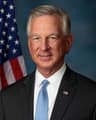 Tommy Tuberville
Republican · Alabama