
A Republican bill with 4 Republican cosponsors · See all 4 cosponsors
Last activity — Read twice and referred to the Committee on Finance.
In committee
Introduced and handed to a committee in the chamber it started in.
The committee holds it, and most bills are never heard from again. A hearing or a committee vote would be news; silence is the usual outcome, and it kills the bill without anyone voting against it.
Its path through Congress
- Introduced
- In Committee
What this bill would do
This bill is called the ``STOP FRAUD in Medicaid Act''. It amends the Social Security Act to change how State medicaid fraud control units operate. The goal is to direct these units to investigate and prosecute fraud related to the application for, or receipt of, Medicaid benefits. It also targets individuals applying for or receiving these benefits. The changes would take effect 180 days after the Act is passed.
Yes· 3 of 5
- Scored +3
Does this make the government pay for what it commits to?
Increases accountability and oversight of Medicaid benefit distribution.
- Scored +2
Does this reduce what the federal government spends?
Targeting beneficiary fraud aims to reduce improper payouts of public funds.
- Scored +2
Does this make what the government does easier for the public to see?
Increases accountability for those fraudulently receiving public benefits.
The opposite· 3 of 8
- Scored -4
Would households on low incomes be better off under this?
Low-income individuals relying on Medicaid are the primary targets of the expanded fraud investigations.
- Scored -3
Would people with disabilities be better off under this?
People with disabilities are frequent Medicaid users and face higher risk of prosecution for beneficiary fraud.
- Scored -2
Would people over 65 be better off under this?
Seniors are often Medicaid beneficiaries and may face increased scrutiny or prosecution for clerical errors.
Who it would affect, and how
Potential Positive Impacts for People
- Reduction of Fraud: By directing State medicaid fraud control units to investigate and prosecute the application for and receipt of benefits, the bill aims to stop unlawful deceits in Medicaid (Section 2).
Potential Negative Impacts for People
- Increased Prosecution of Individuals: The bill specifically expands the scope of investigations to include individuals applying for or receiving Medicaid benefits, which could lead to more legal actions against beneficiaries (Section 2).
Groups and Interests Ranking
Every group the model scored this bill for, from -10 to +10. Tap or hover a score for the reason it gave.
- Demographic And Interest Groups
- Would households on low incomes be better off under this? — Low-income individuals relying on Medicaid are the primary targets of the expanded fraud investigations. Would people with disabilities be better off under this? — People with disabilities are frequent Medicaid users and face higher risk of prosecution for beneficiary fraud. Would retired people be better off under this? — Retirees on Medicaid may face increased legal scrutiny regarding their benefit applications. Would people over 65 be better off under this? — Seniors are often Medicaid beneficiaries and may face increased scrutiny or prosecution for clerical errors.
- Economy And Finance
- Does this make the government pay for what it commits to? — Increases accountability and oversight of Medicaid benefit distribution. Does this reduce what the federal government spends? — Targeting beneficiary fraud aims to reduce improper payouts of public funds. Does this reduce what the federal government owes? — Reducing Medicaid fraud may save government funds, potentially reducing the deficit.
- Healthcare
- Does this make health care easier to get in general? — Increased prosecution for application errors may deter eligible individuals from applying for benefits.
- Social Issues And Justice
- Is this likely to lift people out of poverty? — Aggressive prosecution of beneficiary fraud may negatively impact low-income individuals.
- Governance And Ideology
- Does this make what the government does easier for the public to see? — Increases accountability for those fraudulently receiving public benefits. Does this give the federal government more power? — Directs state agencies to take specific investigative actions mandated by federal law. Does this protect people from being watched or searched? — Expands the scope of government investigations into individual benefit applications. Does this leave more decisions to the states? — Limits state discretion by mandating the prosecution of beneficiary fraud.
- 9/29/2026
- 1 Cosponsor added.
- 9/14/2026
- 1 Cosponsor added.
- 8/4/2026
- 1 Cosponsor added.
- 4/27/2026
- 1 Cosponsor added.
- 3/24/2026
- Read twice and referred to the Committee on Finance.
- Introduced in Senate
One bill Congress.gov lists as related to this one — companions in the other chamber, earlier versions, and bills this one absorbed or was folded into.
 Tom Cotton
Republican · Arkansas
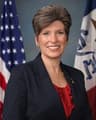 Joni Ernst
Republican · Iowa
- Darline Graham
Republican · South Carolina
 David McCormick
Republican · Pennsylvania