
A Democratic bill with 2 Republican cosponsors · See all 12 cosponsors
Last activity — Read twice and referred to the Committee on Health, Education, Labor, and Pensions.
In committee
Introduced and handed to a committee in the chamber it started in.
The committee holds it, and most bills are never heard from again. A hearing or a committee vote would be news; silence is the usual outcome, and it kills the bill without anyone voting against it.
Its path through Congress
- Introduced
- In Committee
What this bill would do
The Warehouse Worker Protection Act aims to establish new safety and transparency standards for workers in warehouse facilities. It creates a Fairness and Transparency Office within the Department of Labor to oversee these protections. The bill requires employers to provide written descriptions of work quotas and workplace surveillance to employees. It also prohibits quotas that interfere with legally required breaks, health, or safety. Additionally, the act mandates new OSHA standards regarding ergonomic risks and medical treatment referrals. Finally, it strengthens enforcement through increased penalties and expanded investigation powers.
Yes· 3 of 7
- Scored +7
Would union members be better off under this?
The bill strengthens labor organization rights and provides specific tools for union representatives during inspections.
- Scored +6
Would households on low incomes be better off under this?
The bill provides significant workplace safety and transparency protections for warehouse workers who often fall into lower income brackets.
- Scored +5
Does this make what the government does easier for the public to see?
The bill creates a Fairness and Transparency Office to oversee workplace standards and data disclosure.
The opposite
- Scored -5
Would business owners be better off under this?
Business owners face increased compliance costs, mandatory paid breaks, and higher potential civil penalties.
- Scored -3
Does this make it easier to run a small business?
The bill imposes new administrative, recordkeeping, and notification burdens on covered employers.
Who it would affect, and how
Potential Positive Impacts for People
-
Increased Transparency regarding Work Quotas: Employers must provide written descriptions of all quotas, how they are calculated, and any potential discipline that could result from not meeting them (Sec. 102(b)(1)).
-
Greater Protection of Basic Needs: The bill prohibits quotas that prevent workers from taking required meal or rest breaks, using bathroom facilities, or complying with health and safety laws (Sec. 102(c)(1)).
-
Enhanced Health and Safety Standards: The act directs the creation of a new OSHA standard to protect employees from risks that cause musculoskeletal disorders (Sec. 301).
-
Improved Medical Response: A new standard will require employers to have trained personnel available to provide first aid and ensure timely referrals for medical treatment following an injury or illness (Sec. 302).
-
Guaranteed Rest Breaks: Covered employees will be entitled to a paid 15-minute rest break for every four hours worked (Sec. 102(h)(1)).
-
Protection Against Retaliation: The bill includes protections to prevent employers from taking adverse actions against workers who exercise their rights, such as requesting data or filing complaints (Sec. 102(i)).
Potential Negative Impacts for People
-
Employer Requirements for Written Notices: Employers must provide detailed written descriptions of quotas and surveillance, and must update these descriptions at least two business days before any changes are made (Sec. 102(b)(1)-(2)).
-
Mandatory Recordkeeping Burdens: Covered employers are required to maintain contemporaneous records of employee work speed data and aggregated data for a specific period (Sec. 102(e)(1)).
-
Employer Obligations for Data Requests: Employers must respond to employee requests for work speed data and other descriptions within specific timeframes, such as 7 business days (Sec. 102(f)(1)).
-
Mandatory Paid Breaks: Employers must provide a paid 15-minute rest break for every four hours worked (Sec. 102(h)(1)).
Groups and Interests Ranking
Every group the model scored this bill for, from -10 to +10. Tap or hover a score for the reason it gave.
- Demographic And Interest Groups
- Would union members be better off under this? — The bill strengthens labor organization rights and provides specific tools for union representatives during inspections. Would households on low incomes be better off under this? — The bill provides significant workplace safety and transparency protections for warehouse workers who often fall into lower income brackets. Would people with disabilities be better off under this? — The bill requires employers to comply with reasonable accommodation laws and involves disability law experts in advisory roles. Would business owners be better off under this? — Business owners face increased compliance costs, mandatory paid breaks, and higher potential civil penalties.
- Governance And Ideology
- Does this make what the government does easier for the public to see? — The bill creates a Fairness and Transparency Office to oversee workplace standards and data disclosure.
- Healthcare
- Does this make health care easier to get in general? — The bill mandates that employers ensure timely medical treatment referrals following workplace injuries or illnesses.
- Social Issues And Justice
- Does this expand the rights of people with disabilities? — The bill includes experts in disability law on the advisory board and requires accommodations for workers.
- Economy And Finance
- Does this strengthen the rights of workers to organise? — The bill enhances labor rights by allowing representatives to accompany inspections and strengthening protections against retaliatory actions. Does this make it easier to run a small business? — The bill imposes new administrative, recordkeeping, and notification burdens on covered employers.
- 12/10/2025
- 1 Cosponsor added.
- 12/2/2025
- 1 Cosponsor added.
- 9/17/2025
- 1 Cosponsor added.
- 7/31/2025
- Read twice and referred to the Committee on Health, Education, Labor, and Pensions.
- 9 Cosponsors added.
- Introduced in Senate
4 bills Congress.gov lists as related to this one — companions in the other chamber, earlier versions, and bills this one absorbed or was folded into.
 Angela Alsobrooks
Democrat · Maryland
 Richard Blumenthal
Democrat · Connecticut
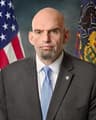 John Fetterman
Democrat · Pennsylvania
 Ruben Gallego
Democrat · Arizona
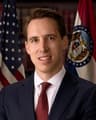 Josh Hawley
Republican · Missouri
 Christopher Murphy
Democrat · Connecticut
 Roger Marshall
Republican · Kansas
 Alex Padilla
Democrat · California
 Bernie Sanders
Independent · Vermont
 Tina Smith
Democrat · Minnesota
 Peter Welch
Democrat · Vermont
 Elizabeth Warren
Democrat · Massachusetts