
Jim Costa (D-CA)
Expressing support for the designation of October 2025 as "Crime Prevention Month".
A Democratic resolution with 8 Republican cosponsors · See all 19 cosponsors
Last activity — Referred to the House Committee on the Judiciary.
In committee
Introduced and handed to a committee in the chamber it started in.
The committee holds it, and most bills are never heard from again. A hearing or a committee vote would be news; silence is the usual outcome, and it kills the bill without anyone voting against it.
Its path through Congress
- Introduced
- In Committee
A House resolution is the House speaking for itself: stating a position, honouring someone, or setting its own rules. Adopting it is the whole process. Once the House agrees to it, it is officially the House's word; it is not a law, so the Senate and the President have no part in it.
What this bill would do
This resolution expresses support for designating October 2025 as Crime Prevention Month. It highlights the massive economic and human costs of crime, counterfeit goods, and cyber-enabled offenses in the United States. The text commends the work of law enforcement officers, first responders, community organizers, and volunteers. It encourages Federal agencies to support evidence-based crime prevention and violence intervention grants. Finally, it calls on citizens, States, local governments, and Tribal nations to engage in activities that promote public safety.
Yes· 3 of 14
- Scored +3
Does this change how police departments operate?
The resolution promotes evidence-based strategies and community policing that strengthen trust between law enforcement and communities.
- Scored +2
Would children be better off under this?
The resolution supports youth mentorship and afterschool programs aimed at preventing crime.
- Scored +2
Does this make housing cost less?
The resolution encourages incorporating Crime Prevention Through Environmental Design in housing projects and safe housing design.
The opposite
No question was scored the opposite.
Who it would affect, and how
Potential Positive Impacts for People
-
Support for Workers and Communities: Under Resolved clause (2), the bill commends law enforcement officers, first responders, community organizers, educators, researchers, violence intervention specialists, and volunteers for their work in preventing crime and supporting victims, which brings public recognition to these important community groups.
-
Grants for Programs: Under Resolved clause (3), the bill encourages Federal agencies to support evidence-based crime prevention and violence intervention grants, including programs focused on youth mentorship, behavioral health treatment, and safe housing design, which can directly benefit individuals through improved community health and safety resources.
-
Infrastructure and Public Safety: Under Resolved clause (4), the bill encourages States, local governments, and Tribal nations to incorporate Crime Prevention Through Environmental Design principles in infrastructure and housing projects, and to expand public-private partnerships that revitalize neighborhoods and create economic opportunity, potentially leading to safer and more economically vibrant living spaces for residents.
Potential Negative Impacts for People
- The provided text does not contain any specific sections or provisions that outline potential negative consequences, burdens, or harms for individuals or groups of people in the United States.
Groups and Interests Ranking
Every group the model scored this bill for, from -10 to +10. Tap or hover a score for the reason it gave.
- Demographic And Interest Groups
- Would children be better off under this? — The resolution supports youth mentorship and afterschool programs aimed at preventing crime. Would business owners be better off under this? — Crime prevention initiatives and efforts against counterfeit goods provide indirect support to local businesses. Would households on low incomes be better off under this? — Targeted community grants and neighborhood revitalization can improve conditions in under-resourced areas. Would Native Americans be better off under this? — The resolution explicitly encourages Tribal nations to participate in crime prevention and environmental design initiatives. Would people over 65 be better off under this? — Enhanced community safety measures benefit older residents who are often vulnerable to certain crimes. Would people in cities be better off under this? — Neighborhood revitalization and crime prevention initiatives benefit urban communities facing high crime rates. Would people in their twenties and thirties be better off under this? — Programs supporting mentorship and violence intervention benefit younger demographics.
- Social Issues And Justice
- Does this change how police departments operate? — The resolution promotes evidence-based strategies and community policing that strengthen trust between law enforcement and communities. Does this make housing cost less? — The resolution encourages incorporating Crime Prevention Through Environmental Design in housing projects and safe housing design.
- Economy And Finance
- Does this give people more protection from unfair business practices? — The resolution highlights the economic and safety threats posed by counterfeit goods and cyber-enabled crimes. Is this likely to grow the economy? — Encouraging neighborhood revitalization and public-private partnerships can foster positive economic development.
- Healthcare
- Does this make mental health care easier to get? — The resolution supports sustained investment in mental health services and behavioral health treatment as part of crime prevention. Does this do more about addiction and overdose deaths? — The text notes the dangers of fake pharmaceuticals including those containing fentanyl and supports substance use treatment.
- National Security And Foreign Policy
- Does this better protect the country from computer attacks? — The text highlights the growing need to address cyber-enabled crimes and Internet-related financial losses.
- 11/10/2025
- 1 Cosponsor added.
- 10/31/2025
- Submitted in House
- Referred to the House Committee on the Judiciary.
- 18 Cosponsors added.
 Ami Bera
Democrat · California
 Don Bacon
Republican · Nebraska
 Nikki Budzinski
Democrat · Illinois
 Ed Case
Democrat · Hawaii
 André Carson
Democrat · Indiana
 Salud Carbajal
Democrat · California
 Juan Ciscomani
Republican · Arizona
 Donald Davis
Democrat · North Carolina
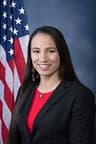 Sharice Davids
Democrat · Kansas
 Josh Harder
Democrat · California
 Jeff Hurd
Republican · Colorado
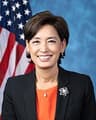 Young Kim
Republican · California
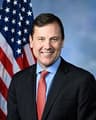 Thomas Kean
Republican · New Jersey
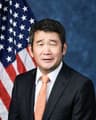 Dave Min
Democrat · California
 Dan Newhouse
Republican · Washington
 Zachary Nunn
Republican · Iowa
 Adam Smith
Democrat · Washington
 Derek Tran
Democrat · California
 David Valadao
Republican · California