
Yassamin Ansari (D-AZ)
Honoring the foundational principle of separation of church and state, opposing extreme right-wing Christian nationalism, and recognizing the 65th anniversary of President John F. Kennedy's address to the Greater Houston Ministerial Association and 150th anniversary of President Ulysses S. Grant's speech to the Society of the Army of the Tennessee.
A Democratic resolution with 20 Democratic cosponsors · See all 20 cosponsors
Last activity — Referred to the House Committee on the Judiciary.
In committee
Introduced and handed to a committee in the chamber it started in.
The committee holds it, and most bills are never heard from again. A hearing or a committee vote would be news; silence is the usual outcome, and it kills the bill without anyone voting against it.
Its path through Congress
- Introduced
- In Committee
A House resolution is the House speaking for itself: stating a position, honouring someone, or setting its own rules. Adopting it is the whole process. Once the House agrees to it, it is officially the House's word; it is not a law, so the Senate and the President have no part in it.
What this bill would do
This resolution honors the foundational principle of the separation of church and state. It specifically opposes extreme right-wing Christian nationalism and all forms of religious extremism. The resolution recognizes the 65th anniversary of President John F. Kennedy's address to the Greater Houston Ministerial Association. It also recognizes the 150th anniversary of President Ulysses S. Grant's speech to the Society of the Army of the Tennessee. Finally, it reaffirms a commitment to protecting religious freedom and the distinction between government and religious institutions.
Yes
- Scored +10
Does this protect the freedom to practise a religion?
The bill emphasizes that individuals are free to practice any faith or no faith at all without government coercion.
- Scored +5
Does this protect the individual right to speak freely?
The text highlights the historical importance of free thought and free speech in the context of religious liberty.
- Scored +1
Does this make what the government does easier for the public to see?
The resolution calls for maintaining a clear distinction between governmental authority and religious institutions.
The opposite
No question was scored the opposite.
Who it would affect, and how
Potential Positive Impacts for People
-
Protection of Religious Diversity: By honoring the separation of church and state, the resolution aims to protect the principles of religious diversity and democratic governance against extreme right-wing Christian nationalism (Resolution, Clause 1 and Whereas clauses).
-
Safeguarding Individual Conscience: The resolution emphasizes that the United States is founded on principles where individuals are free to practice any faith, or no faith at all, without fear of government hostility or discrimination (Whereas clauses).
-
Ensuring Religious Freedom for All: The resolution reaffirms a commitment to protecting true religious freedom for every individual as a core American value (Resolution, Clause 4).
-
Maintaining Government Neutrality: The text seeks to ensure that the state does not favor or disfavor any religion, protecting citizens from government coercion (Whereas clauses).
Potential Negative Impacts for People
- Opposition to Specific Ideologies: The resolution explicitly opposes extreme right-wing Christian nationalism and all forms of religious extremism (Resolution, Clause 1 and Clause 6).
Groups and Interests Ranking
Every group the model scored this bill for, from -10 to +10. Tap or hover a score for the reason it gave.
- Social Issues And Justice
- Does this protect the freedom to practise a religion? — The bill emphasizes that individuals are free to practice any faith or no faith at all without government coercion.
- Governance And Ideology
- Does this protect the individual right to speak freely? — The text highlights the historical importance of free thought and free speech in the context of religious liberty. Does this make what the government does easier for the public to see? — The resolution calls for maintaining a clear distinction between governmental authority and religious institutions.
- 2/20/2026
- 1 Cosponsor added.
- 2/4/2026
- 2 Cosponsors added.
- 12/15/2025
- 1 Cosponsor added.
- 10/21/2025
- 1 Cosponsor added.
- 10/17/2025
- 1 Cosponsor added.
- 9/30/2025
- Submitted in House
- Referred to the House Committee on the Judiciary.
- 14 Cosponsors added.
 Suzanne Bonamici
Democrat · Oregon
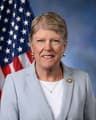 Julia Brownley
Democrat · California
 Becca Balint
Democrat · Vermont
 André Carson
Democrat · Indiana
 Judy Chu
Democrat · California
 Lloyd Doggett
Democrat · Texas
 Lizzie Fletcher
Democrat · Texas
 Valerie Foushee
Democrat · North Carolina
 Jared Huffman
Democrat · California
 Henry Johnson
Democrat · Georgia
 Pramila Jayapal
Democrat · Washington
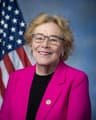 Zoe Lofgren
Democrat · California
 Jerrold Nadler
Democrat · New York
 Eleanor Norton
Democrat · District of Columbia
 Mark Pocan
Democrat · Wisconsin
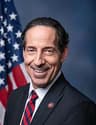 Jamie Raskin
Democrat · Maryland
 Andrea Salinas
Democrat · Oregon
 Lateefah Simon
Democrat · California
 Rashida Tlaib
Democrat · Michigan
 Shri Thanedar
Democrat · Michigan