
Pramila Jayapal (D-WA)
Expressing support for the staff of public, school, academic, and special libraries in the United States and the essential services those libraries provide to communities, recognizing the need for funding commensurate with the broad scope of social service and community supports provided by libraries, preserving the right of all citizens of the United States to freely access information and resources in their communities, supporting a strong union voice for library workers, and defending the civil rights of library staff.
A Democratic resolution with 26 Democratic cosponsors · See all 26 cosponsors
Last activity — Referred to the House Committee on Education and Workforce.
In committee
Introduced and handed to a committee in the chamber it started in.
The committee holds it, and most bills are never heard from again. A hearing or a committee vote would be news; silence is the usual outcome, and it kills the bill without anyone voting against it.
Its path through Congress
- Introduced
- In Committee
A House resolution is the House speaking for itself: stating a position, honouring someone, or setting its own rules. Adopting it is the whole process. Once the House agrees to it, it is officially the House's word; it is not a law, so the Senate and the President have no part in it.
What this bill would do
This resolution expresses support for the staff of public, school, academic, and special libraries across the United States. It recognizes the essential services libraries provide to communities, such as access to information, social services, and economic resources. The resolution calls for funding that matches the broad scope of services libraries offer. It also supports the right of all citizens to freely access information and resources in their communities. Additionally, it supports a strong union voice for library workers and the defense of their civil rights.
Yes· 3 of 22
- Scored +8
Would union members be better off under this?
The resolution strongly supports the union voice and collective bargaining rights of library workers.
- Scored +7
Does this strengthen the rights of workers to organise?
The resolution explicitly supports a strong union voice and the right of library workers to organize and collectively bargain.
- Scored +6
Would households on low incomes be better off under this?
Libraries provide critical internet access and social services for underserved communities.
The opposite
No question was scored the opposite.
Who it would affect, and how
Potential Positive Impacts for People
-
Access to Information and Resources: The resolution reaffirms the fundamental right of the people to access information and resources in their communities (Section 5A).
-
Economic and Educational Support: Libraries are recognized as an economic powerhouse that provides resources to job seekers, small business owners, and those learning new skills.
-
Community Safety and Social Services: Libraries serve as a safe haven for unhoused individuals and families, and staff provide lifesaving care for those suffering from the opioid epidemic (Whereas clauses).
-
Digital Equity: The text notes that libraries often serve as the only source of internet for underserved communities (Whereas clauses).
-
Labor Protections: The resolution supports the right of library workers to organize, collectively bargain, and have a protected voice in their workplace (Section 5B).
-
Civil Rights Protection: The resolution emphasizes defending the civil rights of library staff so they can perform their duties without threats or intimidation (Section 5C).
Potential Negative Impacts for People
- Impact of Bureaucracy Reduction: The text mentions that President Trump signed Executive Order 14238 to eliminate the Institute of Museum and Library Services, noting that doing so would harm the ability of libraries to provide critical resources to millions of people, especially in rural, Tribal, and underserved communities (Whereas clauses).
Groups and Interests Ranking
Every group the model scored this bill for, from -10 to +10. Tap or hover a score for the reason it gave.
- Demographic And Interest Groups
- Would union members be better off under this? — The resolution strongly supports the union voice and collective bargaining rights of library workers. Would households on low incomes be better off under this? — Libraries provide critical internet access and social services for underserved communities. Would business owners be better off under this? — The resolution explicitly mentions libraries as resources for small business owners. Would children be better off under this? — The text highlights the role of libraries in providing diverse book offerings for young readers. Would Native Americans be better off under this? — The resolution highlights the importance of protecting resources for Tribal communities. Would people in rural areas be better off under this? — The resolution emphasizes the necessity of library services for rural communities. Would students be better off under this? — The text discusses the importance of library access for learning and encountering ideas.
- Social Issues And Justice
- Does this protect what people are allowed to say in public life? — The resolution emphasizes the right to access information and protect libraries from censorship. Does this narrow racial gaps in how people are treated? — The text emphasizes protecting resources for underserved and Tribal communities. Does this make housing cost less? — The resolution recognizes libraries as safe havens for unhoused individuals and families. Is this likely to lift people out of poverty? — By providing resources and internet access, libraries help mitigate economic disadvantages. Is this likely to reduce homelessness? — The text describes libraries as safe havens for the unhoused.
- Economy And Finance
- Does this strengthen the rights of workers to organise? — The resolution explicitly supports a strong union voice and the right of library workers to organize and collectively bargain. Does this make it easier to run a small business? — The text highlights how libraries provide critical economic resources to small business owners. Is this likely to grow the economy? — The resolution identifies libraries as economic powerhouses that support job seekers and small business owners.
- Healthcare
- Does this make health care easier to get in general? — The resolution notes that library staff provide lifesaving care during the opioid epidemic. Does this do more about addiction and overdose deaths? — The resolution highlights the role of library staff in administering medication to treat opioid overdoses. Does this make the country readier for the next outbreak? — The text recognizes the role of libraries in distributing PPE and providing testing during the COVID-19 pandemic.
- Education And Technology
- Does this get reliable internet to more people? — The resolution recognizes libraries as essential for providing internet access to underserved communities. Does this put more money into public schools? — The resolution calls for the prioritization of full funding of library services at all levels.
- Governance And Ideology
- Does this protect the individual right to speak freely? — The resolution defends the right of staff to speak on public concerns and access information.
- Environment Energy And Infrastructure
- Does this invest in rural communities? — The resolution highlights the importance of libraries for rural and underserved communities.
- 7/10/2025
- 1 Cosponsor added.
- 4/21/2025
- 4 Cosponsors added.
- 4/10/2025
- Submitted in House
- Referred to the House Committee on Education and Workforce.
- 21 Cosponsors added.
3 bills Congress.gov lists as related to this one — companions in the other chamber, earlier versions, and bills this one absorbed or was folded into.
- 119-HRES-1212: Expressing support for the staff of public, school, academic, and special libraries in the United States and the essential services those libraries provide to communities, recognizing the need for funding commensurate with the broad scope of social service and community supports provided by libraries, preserving the right of all citizens of the United States to freely access information and resources in their communities, supporting a strong union voice for library workers, and defending the civil rights of library staff.
- 119-SRES-169: A resolution expressing support for the staff of public, school, academic, and special libraries in the United States and the essential services those libraries provide to communities, recognizing the need for funding commensurate with the broad scope of social service and community supports provided by libraries, preserving the right of all citizens of the United States to freely access information and resources in their communities, supporting a strong union voice for library workers, and defending the civil rights of library staff.
- 119-SRES-688: A resolution expressing support for the staff of public, school, academic, and special libraries in the United States and the essential services those libraries provide to communities, recognizing the need for funding commensurate with the broad scope of social service and community supports provided by libraries, preserving the right of all citizens of the United States to freely access information and resources in their communities, supporting a strong union voice for library workers, and defending the civil rights of library staff.
 Suzanne Bonamici
Democrat · Oregon
 Brendan Boyle
Democrat · Pennsylvania
 Nanette Barragán
Democrat · California
 Judy Chu
Democrat · California
 Angie Craig
Democrat · Minnesota
 Greg Casar
Democrat · Texas
 Lloyd Doggett
Democrat · Texas
 Dwight Evans
Democrat · Pennsylvania
 Jared Huffman
Democrat · California
 Jonathan Jackson
Democrat · Illinois
 Summer Lee
Democrat · Pennsylvania
 James McGovern
Democrat · Massachusetts
 Betty McCollum
Democrat · Minnesota
 Jerrold Nadler
Democrat · New York
 Eleanor Norton
Democrat · District of Columbia
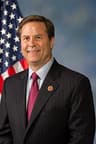 Donald Norcross
Democrat · New Jersey
 Mark Pocan
Democrat · Wisconsin
 Janice Schakowsky
Democrat · Illinois
 Linda Sánchez
Democrat · California
 Mary Gay Scanlon
Democrat · Pennsylvania
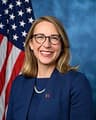 Hillary Scholten
Democrat · Michigan
 Andrea Salinas
Democrat · Oregon
 Dina Titus
Democrat · Nevada
 Paul Tonko
Democrat · New York
 Jill Tokuda
Democrat · Hawaii
 Bonnie Watson Coleman
Democrat · New Jersey