
Sydney Kamlager-Dove (D-CA)
Restoring the promise of freedom: honoring, preserving, and investing in Freedmen's Settlements.
A Democratic resolution with 15 Democratic cosponsors · See all 15 cosponsors
Last activity — Referred to the House Committee on the Judiciary.
In committee
Introduced and handed to a committee in the chamber it started in.
The committee holds it, and most bills are never heard from again. A hearing or a committee vote would be news; silence is the usual outcome, and it kills the bill without anyone voting against it.
Its path through Congress
- Introduced
- In Committee
A House resolution is the House speaking for itself: stating a position, honouring someone, or setting its own rules. Adopting it is the whole process. Once the House agrees to it, it is officially the House's word; it is not a law, so the Senate and the President have no part in it.
What this bill would do
This bill is a resolution in the House of Representatives that honors, preserves, and invests in historic freedmen's settlements and Black towns across the United States. It recognizes the historical injustices, racial violence, and economic discrimination these communities faced after emancipation. The text outlines the severe modern-day challenges these areas face, such as poverty, lack of clean water, and environmental pollution. Furthermore, the resolution encourages federal, state, and local coordination to support these communities through funding, historic preservation, and economic justice initiatives. Ultimately, it expresses a commitment to protect freedmen's settlements from gentrification and environmental hazards while ensuring fair standards of living for residents.
Yes· 3 of 13
- Scored +9
Would Black Americans be better off under this?
The resolution is dedicated to honoring and investing in the history and future of Black settlements.
- Scored +8
Does this narrow racial gaps in how people are treated?
The resolution specifically targets the reversal of historic racial and economic disparities through targeted investment.
- Scored +7
Would households on low incomes be better off under this?
The bill targets resource allocation toward communities where many residents live below the poverty line.
The opposite
No question was scored the opposite.
Who it would affect, and how
Potential Positive Impacts for People
-
Historic Preservation: Under resolved clause (4) and clause (5), the bill supports preserving freedmen's settlements through comprehensive documentation, oral histories, and designated funding for historic preservation. This is a positive step to honor the history of these communities and protect their physical remnants for descendants and the public.
-
Economic and Community Development: Resolved clause (7) expresses a commitment to protect these communities from development and gentrification through strategic investment, community-led economic development, small business creation, and workforce development. This could bring much-needed financial support and job opportunities to residents.
-
Environmental and Infrastructure Support: Resolved clause (10) affirms that freedmen's settlements should have fair standards of living, including sewage, roads, emergency services, and climate-resilient infrastructure. Additionally, resolved clause (9) recognizes the need for coordination with agencies like the Environmental Protection Agency and the Department of Housing and Urban Development to support these areas, which could help tackle severe issues like contaminated water and pollution.
Potential Negative Impacts for People
- Based on the provided text, there are no specific sections or provisions that create negative consequences, burdens, or penalties for individuals or groups of people in the United States.
Groups and Interests Ranking
Every group the model scored this bill for, from -10 to +10. Tap or hover a score for the reason it gave.
- Demographic And Interest Groups
- Would Black Americans be better off under this? — The resolution is dedicated to honoring and investing in the history and future of Black settlements. Would households on low incomes be better off under this? — The bill targets resource allocation toward communities where many residents live below the poverty line. Would people in cities be better off under this? — The bill focuses on community-led development and protection against urban gentrification. Would middle-income households be better off under this? — The bill focuses on economic justice and upward mobility for disadvantaged communities.
- Social Issues And Justice
- Does this narrow racial gaps in how people are treated? — The resolution specifically targets the reversal of historic racial and economic disparities through targeted investment. Is this likely to lift people out of poverty? — The bill emphasizes economic justice initiatives to support residents of impoverished historic settlements. Does this make housing cost less? — The text seeks to protect communities from gentrification and displacement through strategic investment.
- Economy And Finance
- Does this make it easier to run a small business? — The bill encourages small business creation and community-led economic development within these settlements. Is this likely to create jobs? — The resolution supports workforce development as a means to revitalize historic settlements.
- Environment Energy And Infrastructure
- Does this better protect air, water and wildlife? — The resolution seeks to protect settlements from environmental hazards and legacy pollution. Does this improve buses, trains and other public transport? — The resolution acknowledges the need for infrastructure support including clean water and transit accessibility.
- Healthcare
- Does this make health care easier to get in general? — The resolution calls for coordination with agencies to improve the health and well-being of these communities.
- Governance And Ideology
- Does this make what the government does easier for the public to see? — The resolution calls for documentation and research to better understand the history and status of these communities.
- 3/25/2025
- 1 Cosponsor added.
- 3/18/2025
- 1 Cosponsor added.
- 3/4/2025
- 5 Cosponsors added.
- 2/27/2025
- Submitted in House
- Referred to the House Committee on the Judiciary.
- 8 Cosponsors added.
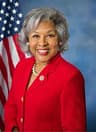 Joyce Beatty
Democrat · Ohio
 Shontel Brown
Democrat · Ohio
 Maxwell Frost
Democrat · Florida
 Henry Johnson
Democrat · Georgia
 Jonathan Jackson
Democrat · Illinois
 Robin Kelly
Democrat · Illinois
 Gwen Moore
Democrat · Wisconsin
 LaMonica McIver
Democrat · New Jersey
 Alexandria Ocasio-Cortez
Democrat · New York
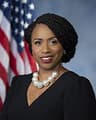 Ayanna Pressley
Democrat · Massachusetts
 Delia Ramirez
Democrat · Illinois
 Rashida Tlaib
Democrat · Michigan
 Jill Tokuda
Democrat · Hawaii
 Frederica Wilson
Democrat · Florida
 Bonnie Watson Coleman
Democrat · New Jersey