
Joaquin Castro (D-TX)
Reaffirming the United States commitment to respecting the sovereignty of Mexico and condemning calls for military action in Mexico without Mexico's consent and congressional authorization.
A Democratic resolution with 43 Democratic cosponsors · See all 43 cosponsors
Last activity — Referred to the House Committee on Foreign Affairs.
In committee
Introduced and handed to a committee in the chamber it started in.
The committee holds it, and most bills are never heard from again. A hearing or a committee vote would be news; silence is the usual outcome, and it kills the bill without anyone voting against it.
Its path through Congress
- Introduced
- In Committee
A House resolution is the House speaking for itself: stating a position, honouring someone, or setting its own rules. Adopting it is the whole process. Once the House agrees to it, it is officially the House's word; it is not a law, so the Senate and the President have no part in it.
What this bill would do
This resolution reaffirms the United States commitment to respecting the sovereignty of Mexico. It condemns any military action in Mexico that happens without Mexico's consent and without authorization from Congress. The text points out that the U.S. and Mexico have a long history of cooperating on trade, security, and migration. It warns that unilateral military action could cause severe violence, forced migration, and higher costs for U.S. workers and consumers. Furthermore, the resolution states that labeling criminal groups as foreign terrorist organizations does not automatically give the President the power to use military force. Finally, it emphasizes that drug trafficking issues should not be used as a basis for military force without congressional approval.
Yes· 3 of 13
- Scored +5
Does this strengthen ties with allied countries?
The resolution emphasizes respecting Mexico's sovereignty and maintaining strong bilateral relations through peaceful procedures.
- Scored +2
Does this make trade with other countries easier?
The resolution supports maintaining strong bilateral relations and trade stability with Mexico.
- Scored +2
Does this protect the right to fair treatment by the courts?
The resolution upholds the constitutional separation of powers and the War Powers Resolution.
The opposite
- Scored -3
Does this give the federal government more power?
The resolution seeks to limit the President's ability to engage in unilateral military action without congressional authorization.
Who it would affect, and how
Potential Positive Impacts for People
-
Protection from Unintended War: The House of Representatives rejects and condemns the use of military force by the U.S. against entities in Mexico if it is done without Mexico's consent and without explicit authorization from Congress. This is positive because it keeps our elected officials accountable and helps prevent unauthorized military conflicts (Resolved section (2)).
-
Safeguarding the Economy: The text notes that Mexico is the largest trading partner of the United States, and unilateral military action could trigger severe consequences that drive up expenses for workers and consumers. Opposing such actions helps protect everyday people from rising costs and financial burdens (Whereas clause 6).
-
Protecting Service Members: Unilateral military action risks trapping the military in an intractable conflict and endangering the lives of U.S. service members and civilians. Preventing this protects the safety and lives of our people (Whereas clause 7).
Potential Negative Impacts for People
Based on the provided text, there are no specific provisions or sections identified that create negative consequences, burdens, or direct harms for individuals or groups of people in the United States.
Groups and Interests Ranking
Every group the model scored this bill for, from -10 to +10. Tap or hover a score for the reason it gave.
- National Security And Foreign Policy
- Does this strengthen ties with allied countries? — The resolution emphasizes respecting Mexico's sovereignty and maintaining strong bilateral relations through peaceful procedures. Does this make trade with other countries easier? — The resolution supports maintaining strong bilateral relations and trade stability with Mexico. Does this increase the pay, pensions or support veterans receive? — The resolution aims to prevent US service members from being trapped in an intractable military conflict.
- Demographic And Interest Groups
- Would immigrants be better off under this? — The resolution aims to prevent violence and displacement that contributes to forced migration. Would households on low incomes be better off under this? — The resolution seeks to prevent economic consequences that increase expenses for workers and consumers. Would middle-income households be better off under this? — The resolution aims to avoid price increases for consumers caused by bilateral trade consequences. Would union members be better off under this? — The resolution seeks to prevent economic consequences that drive up expenses for workers.
- Social Issues And Justice
- Does this tighten control of the border? — The resolution emphasizes addressing challenges like drug trafficking through continued engagement rather than unilateral military action. Does this make it easier for immigrants already here to become citizens? — By opposing military action that causes displacement, the resolution seeks to prevent increases in forced migration. Is this likely to lift people out of poverty? — Avoiding economic volatility caused by military conflict helps protect the economic stability of workers.
- Economy And Finance
- Is this likely to create jobs? — The resolution seeks to avoid economic consequences that could drive up expenses for workers. Is this likely to slow the rise in prices? — By opposing unilateral military action, the resolution aims to prevent bilateral consequences that drive up consumer expenses.
- Governance And Ideology
- Does this protect the right to fair treatment by the courts? — The resolution upholds the constitutional separation of powers and the War Powers Resolution. Does this give the federal government more power? — The resolution seeks to limit the President's ability to engage in unilateral military action without congressional authorization.
- 3/5/2026
- 3 Cosponsors added.
- 1/9/2026
- 1 Cosponsor added.
- 1/8/2026
- 6 Cosponsors added.
- 1/6/2026
- 3 Cosponsors added.
- 6/23/2025
- 1 Cosponsor added.
- 6/17/2025
- 1 Cosponsor added.
- 6/3/2025
- 1 Cosponsor added.
- 5/29/2025
- 2 Cosponsors added.
- 3/6/2025
- 2 Cosponsors added.
- 2/27/2025
- Submitted in House
- Referred to the House Committee on Foreign Affairs.
- 23 Cosponsors added.
 Yassamin Ansari
Democrat · Arizona
 Nanette Barragán
Democrat · California
 André Carson
Democrat · Indiana
 Sheila Cherfilus-McCormick
Democrat · Florida
 Greg Casar
Democrat · Texas
 Madeleine Dean
Democrat · Pennsylvania
 Maxine Dexter
Democrat · Oregon
 Raúl Grijalva
Democrat · Arizona
 John Garamendi
Democrat · California
 Jimmy Gomez
Democrat · California
 Jesús García
Democrat · Illinois
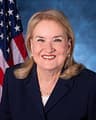 Sylvia Garcia
Democrat · Texas
 Henry Johnson
Democrat · Georgia
 Pramila Jayapal
Democrat · Washington
 Sara Jacobs
Democrat · California
 Jonathan Jackson
Democrat · Illinois
 Julie Johnson
Democrat · Texas
 Ro Khanna
Democrat · California
 Sydney Kamlager-Dove
Democrat · California
 Zoe Lofgren
Democrat · California
 James McGovern
Democrat · Massachusetts
 Gregory Meeks
Democrat · New York
 Grace Meng
Democrat · New York
 Seth Moulton
Democrat · Massachusetts
 Joseph Morelle
Democrat · New York
 Eleanor Norton
Democrat · District of Columbia
 Alexandria Ocasio-Cortez
Democrat · New York
 Ilhan Omar
Democrat · Minnesota
 Mark Pocan
Democrat · Wisconsin
 Delia Ramirez
Democrat · Illinois
 Janice Schakowsky
Democrat · Illinois
 Linda Sánchez
Democrat · California
 Darren Soto
Democrat · Florida
 Mary Gay Scanlon
Democrat · Pennsylvania
 Greg Stanton
Democrat · Arizona
 Andrea Salinas
Democrat · Oregon
 Dina Titus
Democrat · Nevada
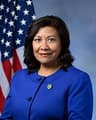 Norma Torres
Democrat · California
 Rashida Tlaib
Democrat · Michigan
 Lori Trahan
Democrat · Massachusetts
 Shri Thanedar
Democrat · Michigan
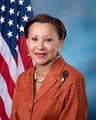 Nydia Velázquez
Democrat · New York
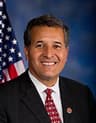 Juan Vargas
Democrat · California