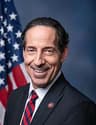
Jamie Raskin (D-MD)
Expressing concern about the growing problem of book banning and the proliferation of threats to freedom of expression in the United States.
A Democratic resolution with 75 Democratic cosponsors · See all 75 cosponsors
Last activity — Referred to the Committee on the Judiciary, and in addition to the Committee on Education and Workforce, for a period to be subsequently determined by the Speaker, in each case for consideration of such provisions as fall within the jurisdiction of the committee concerned.
In committee
Introduced and handed to a committee in the chamber it started in.
The committee holds it, and most bills are never heard from again. A hearing or a committee vote would be news; silence is the usual outcome, and it kills the bill without anyone voting against it.
Its path through Congress
- Introduced
- In Committee
A House resolution is the House speaking for itself: stating a position, honouring someone, or setting its own rules. Adopting it is the whole process. Once the House agrees to it, it is officially the House's word; it is not a law, so the Senate and the President have no part in it.
What this bill would do
This resolution expresses deep concern over the growing trend of book banning and threats to freedom of expression across the United States. It highlights how thousands of books have been banned or restricted in schools and libraries, often targeting marginalized communities, authors of color, and LGBTQ+ themes. The text points out actions taken by various state governments and federal executive orders that limit access to literature and history. Finally, the resolution calls on local governments, school districts, and federal leaders to protect First Amendment rights, follow library guidelines, and repeal content-based restrictions on reading.
Yes· 3 of 12
- Scored +8
Does this protect the individual right to speak freely?
The resolution strongly reaffirms commitment to First Amendment protections and the freedom to read without government censorship.
- Scored +7
Would students be better off under this?
The text calls on school districts to protect students' rights to learn and explore a wide array of viewpoints.
- Scored +6
Would children be better off under this?
The resolution advocates for students' access to diverse literature and protection of their educational rights.
The opposite
No question was scored the opposite.
Who it would affect, and how
Potential Positive Impacts for People
-
Protection of Students' Educational Rights: The resolution calls on local governments and school districts to protect the rights of students to learn and to provide them with access to a wide array of books reflecting diverse viewpoints, as outlined in resolved clause (4). This could benefit students by ensuring they have broad access to literature and history.
-
Support for Educators and Librarians: By calling for the protection of educators and librarians so they can teach without a chilling effect, resolved clause (4) aims to foster an environment where school staff can do their jobs without fear of punitive measures.
-
Upholding Free Expression: Resolved clause (2) reaffirms the commitment of the United States to supporting freedom of expression under the First Amendment and the freedom to read without government censorship.
Potential Negative Impacts for People
-
Lack of Binding Enforceability: Because this text is a simple resolution rather than a binding law or statute, it does not create enforceable legal mandates or penalties to stop ongoing book bans or immediately restore removed books in communities.
-
Absence of Relief Provisions for Penalized Educators: The resolution does not contain specific provisions or funds to protect or compensate educators and librarians who have already faced punitive actions or surveillance under state legislation or executive orders.
Groups and Interests Ranking
Every group the model scored this bill for, from -10 to +10. Tap or hover a score for the reason it gave.
- Demographic And Interest Groups
- Would students be better off under this? — The text calls on school districts to protect students' rights to learn and explore a wide array of viewpoints. Would Black Americans be better off under this? — The text calls attention to and opposes the censorship of literature addressing Black history and experiences. Would children be better off under this? — The resolution advocates for students' access to diverse literature and protection of their educational rights. Would LGBTQ people be better off under this? — The resolution explicitly condemns the targeting and restriction of books with LGBTQ+ characters and themes. Would people in their twenties and thirties be better off under this? — It supports young readers' freedom to access uncensored literature and information. Would Asian Americans be better off under this? — The text speaks against the censorship of graphic novels and literature touching on anti-Asian bias. Would Hispanic Americans be better off under this? — The resolution broadly defends the inclusion of marginalized perspectives and authors of color in public libraries and schools. Would Native Americans be better off under this? — The resolution highlights and defends Native American family stories and histories from being restricted.
- Governance And Ideology
- Does this protect the individual right to speak freely? — The resolution strongly reaffirms commitment to First Amendment protections and the freedom to read without government censorship. Does this make what the government does easier for the public to see? — The resolution emphasizes the need for transparency in library and school district book challenges.
- Social Issues And Justice
- Does this expand the rights of LGBTQ people? — The resolution highlights the targeted censorship of LGBTQ+ literature and affirms freedom of expression. Does this narrow racial gaps in how people are treated? — The text addresses and opposes the disproportionate banning of books concerning race, racism, and historical figures of color.
- 10/19/2026
- 2 Cosponsors added.
- 10/6/2026
- 1 Cosponsor added.
- 10/5/2026
- 6 Cosponsors added.
- 10/1/2026
- Submitted in House
- Referred to the Committee on the Judiciary, and in addition to the Committee on Education and Workforce, for a period to be subsequently determined by the Speaker, in each case for consideration of such provisions as fall within the jurisdiction of the committee concerned.
- 66 Cosponsors added.
 Alma Adams
Democrat · North Carolina
 Suzanne Bonamici
Democrat · Oregon
 Joyce Beatty
Democrat · Ohio
 Julia Brownley
Democrat · California
 Shontel Brown
Democrat · Ohio
 Becca Balint
Democrat · Vermont
 Janelle Bynum
Democrat · Oregon
 Jim Costa
Democrat · California
 Emanuel Cleaver
Democrat · Missouri
 Yvette Clarke
Democrat · New York
 André Carson
Democrat · Indiana
 Judy Chu
Democrat · California
 Joaquin Castro
Democrat · Texas
 Sean Casten
Democrat · Illinois
 Jasmine Crockett
Democrat · Texas
 Danny Davis
Democrat · Illinois
 Lloyd Doggett
Democrat · Texas
 Suzan DelBene
Democrat · Washington
 Mark DeSaulnier
Democrat · California
 Madeleine Dean
Democrat · Pennsylvania
 Maxine Dexter
Democrat · Oregon
 Dwight Evans
Democrat · Pennsylvania
 Adriano Espaillat
Democrat · New York
 Veronica Escobar
Democrat · Texas
 Sarah Elfreth
Democrat · Maryland
 Lois Frankel
Democrat · Florida
 Lizzie Fletcher
Democrat · Texas
 Maxwell Frost
Democrat · Florida
 Valerie Foushee
Democrat · North Carolina
 Robert Garcia
Democrat · California
 Daniel Goldman
Democrat · New York
 Adelita Grijalva
Democrat · Arizona
 Jared Huffman
Democrat · California
 Jahana Hayes
Democrat · Connecticut
 Glenn Ivey
Democrat · Maryland
 Henry Johnson
Democrat · Georgia
 Jonathan Jackson
Democrat · Illinois
 Julie Johnson
Democrat · Texas
 Raja Krishnamoorthi
Democrat · Illinois
 Sydney Kamlager-Dove
Democrat · California
 Timothy Kennedy
Democrat · New York
 Teresa Leger Fernandez
Democrat · New Mexico
 Stephen Lynch
Democrat · Massachusetts
 Ted Lieu
Democrat · California
 Summer Lee
Democrat · Pennsylvania
 James McGovern
Democrat · Massachusetts
 Kweisi Mfume
Democrat · Maryland
 Betty McCollum
Democrat · Minnesota
 Grace Meng
Democrat · New York
 Seth Moulton
Democrat · Massachusetts
 Kevin Mullin
Democrat · California
 LaMonica McIver
Democrat · New Jersey
 April McClain Delaney
Democrat · Maryland
 Eleanor Norton
Democrat · District of Columbia
 Chellie Pingree
Democrat · Maine
 Mark Pocan
Democrat · Wisconsin
 Scott Peters
Democrat · California
 Brittany Pettersen
Democrat · Colorado
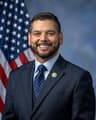 Raul Ruiz
Democrat · California
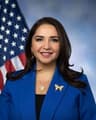 Delia Ramirez
Democrat · Illinois
 Janice Schakowsky
Democrat · Illinois
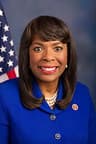 Terri Sewell
Democrat · Alabama
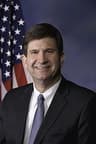 Bradley Schneider
Democrat · Illinois
 Mary Gay Scanlon
Democrat · Pennsylvania
 Melanie Stansbury
Democrat · New Mexico
 Andrea Salinas
Democrat · Oregon
 Lateefah Simon
Democrat · California
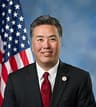 Mark Takano
Democrat · California
 Rashida Tlaib
Democrat · Michigan
 Jill Tokuda
Democrat · Hawaii
 Shri Thanedar
Democrat · Michigan
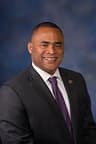 Marc Veasey
Democrat · Texas
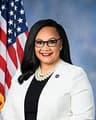 Nikema Williams
Democrat · Georgia
 Frederica Wilson
Democrat · Florida
 Bonnie Watson Coleman
Democrat · New Jersey