
Andrea Salinas (D-OR)
Expressing support for the designation of May 2026 as "Mental Health Awareness Month".
A Democratic resolution with 3 Republican cosponsors · See all 35 cosponsors
Last activity — Referred to the House Committee on Energy and Commerce.
In committee
Introduced and handed to a committee in the chamber it started in.
The committee holds it, and most bills are never heard from again. A hearing or a committee vote would be news; silence is the usual outcome, and it kills the bill without anyone voting against it.
Its path through Congress
- Introduced
- In Committee
A House resolution is the House speaking for itself: stating a position, honouring someone, or setting its own rules. Adopting it is the whole process. Once the House agrees to it, it is officially the House's word; it is not a law, so the Senate and the President have no part in it.
What this bill would do
This resolution expresses support for designating May 2026 as "Mental Health Awareness Month." It highlights a national mental health crisis characterized by rising rates of mental illness, suicide, and feelings of isolation. The text notes specific concerns regarding youth, LGBTQ+ individuals, veterans, and various ethnic communities. It emphasizes the need for increased resources in schools and for suicide prevention. Ultimately, the resolution seeks to declare mental health a national priority and supports the expansion of funding for services.
Yes· 3 of 20
- Scored +5
Would children be better off under this?
The resolution emphasizes reaching children and youth early to prevent long-term issues.
- Scored +5
Would LGBTQ people be better off under this?
The resolution acknowledges the unique mental health challenges and higher suicide risk faced by LGBTQ youth.
- Scored +5
Would veterans be better off under this, taking everything together?
The resolution explicitly supports increased funding and resources for veterans' mental health needs.
The opposite
No question was scored the opposite.
Who it would affect, and how
Potential Positive Impacts for People
-
Removing Stigma and Increasing Awareness: The resolution aims to remove the stigma associated with mental illness and place emphasis on scientific findings regarding recovery (Section 1).
-
Prioritizing National Health: The resolution declares mental health a national priority (Section s 2).
-
Increased Funding and Resources: The resolution supports the expansion of funding for mental health services (Section 3). It also notes the importance of providing necessary funding and resources to reach children and youth early in life (Whereas clauses).
-
Recognition of Well-being: It recognizes that mental well-being is as important as physical well-being for citizens, communities, schools, businesses, and the economy (Section 4).
-
Support for Families and Individuals: The resolution applauds organizations working to provide critical information and supports to individuals and families affected by mental illness (Section 5).
-
Improved Quality of Life: The resolution encourages using the designated month to ensure access to appropriate coverage and services to support the quality of life for those living with mental illness (Section 6).
Potential Negative Impacts for People
- No negative impacts or burdens are explicitly stated in the provided text.
Groups and Interests Ranking
Every group the model scored this bill for, from -10 to +10. Tap or hover a score for the reason it gave.
- Demographic And Interest Groups
- Would children be better off under this? — The resolution emphasizes reaching children and youth early to prevent long-term issues. Would LGBTQ people be better off under this? — The resolution acknowledges the unique mental health challenges and higher suicide risk faced by LGBTQ youth. Would veterans be better off under this, taking everything together? — The resolution explicitly supports increased funding and resources for veterans' mental health needs. Would Black Americans be better off under this? — The resolution highlights the need to address treatment disparities faced by Black adults. Would Asian Americans be better off under this? — The resolution addresses higher rates of going without needed mental health services among Asian adults. Would Hispanic Americans be better off under this? — The resolution notes disparities in mental health service access for Hispanic individuals. Would Native Americans be better off under this? — The resolution identifies specific barriers to care faced by American Indian and Alaska Native adults. Would people in their twenties and thirties be better off under this? — The resolution addresses the high rates of mental illness and suicide among young adults and youth. Would farmers be better off under this? — The resolution notes the high suicide risk among farmers and the need for mental health support. Would households on low incomes be better off under this? — The resolution seeks to increase funding for mental health services which often affects low-income populations. Would people over 65 be better off under this? — The resolution notes the importance of mental well-being for all citizens across the lifespan.
- Healthcare
- Does this make mental health care easier to get? — The resolution supports the expansion of funding for mental health services and resources. Does this make health care easier to get in general? — The resolution advocates for increased resources and better access to mental health services. Does this strengthen the Affordable Care Act? — The resolution encourages access to appropriate coverage for those living with mental illness. Does this do more about addiction and overdose deaths? — The resolution addresses the need for resources related to substance abuse.
- Social Issues And Justice
- Does this narrow racial gaps in how people are treated? — The resolution notes disparities in mental health treatment access for communities of color. Does this expand the rights of LGBTQ people? — The resolution highlights the specific mental health needs and higher suicide risks of LGBTQ youth. Is this likely to lift people out of poverty? — The resolution focuses on mental well-being as a component of overall community and quality of life.
- National Security And Foreign Policy
- Does this increase the pay, pensions or support veterans receive? — The resolution emphasizes providing additional funding and resources to support veterans with mental health needs.
- Education And Technology
- Does this put more money into public schools? — The resolution advocates for more resources dedicated to mental health in schools.
- 5/29/2026
- Submitted in House
- Referred to the House Committee on Energy and Commerce.
- 35 Cosponsors added.
One bill Congress.gov lists as related to this one — companions in the other chamber, earlier versions, and bills this one absorbed or was folded into.
 Gabe Amo
Democrat · Rhode Island
 Suzanne Bonamici
Democrat · Oregon
 Donald Beyer
Democrat · Virginia
 Don Bacon
Republican · Nebraska
 Nanette Barragán
Democrat · California
 Becca Balint
Democrat · Vermont
 Jim Costa
Democrat · California
 Judy Chu
Democrat · California
 J. Correa
Democrat · California
 Angie Craig
Democrat · Minnesota
 Troy Carter
Democrat · Louisiana
 Madeleine Dean
Democrat · Pennsylvania
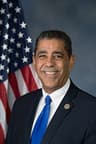 Adriano Espaillat
Democrat · New York
 Brian Fitzpatrick
Republican · Pennsylvania
 John Garamendi
Democrat · California
 Daniel Goldman
Democrat · New York
 Raja Krishnamoorthi
Democrat · Illinois
 Stephen Lynch
Democrat · Massachusetts
 Gwen Moore
Democrat · Wisconsin
 Doris Matsui
Democrat · California
 Frank Mrvan
Democrat · Indiana
 Jennifer McClellan
Democrat · Virginia
 LaMonica McIver
Democrat · New Jersey
 Brittany Pettersen
Democrat · Colorado
 David Rouzer
Republican · North Carolina
 Josh Riley
Democrat · New York
 Melanie Stansbury
Democrat · New Mexico
 Paul Tonko
Democrat · New York
 Rashida Tlaib
Democrat · Michigan
 Ritchie Torres
Democrat · New York
 Jill Tokuda
Democrat · Hawaii
 Shri Thanedar
Democrat · Michigan
 Derek Tran
Democrat · California
 Nikema Williams
Democrat · Georgia
 Bonnie Watson Coleman
Democrat · New Jersey