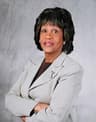
Maxine Waters (D-CA)
Supporting the goals and ideals of National Women and Girls HIV/AIDS Awareness Day.
A Democratic resolution with 18 Democratic cosponsors · See all 18 cosponsors
Last activity — Referred to the Committee on Energy and Commerce, and in addition to the Committee on Foreign Affairs, for a period to be subsequently determined by the Speaker, in each case for consideration of such provisions as fall within the jurisdiction of the committee concerned.
In committee
Introduced and handed to a committee in the chamber it started in.
The committee holds it, and most bills are never heard from again. A hearing or a committee vote would be news; silence is the usual outcome, and it kills the bill without anyone voting against it.
Its path through Congress
- Introduced
- In Committee
A House resolution is the House speaking for itself: stating a position, honouring someone, or setting its own rules. Adopting it is the whole process. Once the House agrees to it, it is officially the House's word; it is not a law, so the Senate and the President have no part in it.
What this bill would do
This resolution supports the goals and ideals of National Women and Girls HIV/AIDS Awareness Day. It recognizes the progress made in responding to the epidemic over the last 45 years while recommitting to bipartisan efforts to end it. The resolution calls for a greater focus on the specific vulnerabilities of women and girls, including those facing violence or discrimination. It advocates for strong investment in prevention, care, treatment, and research both in the United States and globally. Additionally, it encourages improved access to healthcare services and medically accurate information.
Yes· 3 of 19
- Scored +8
Would women be better off under this?
The resolution directly focuses on supporting the health, awareness, and medical access needs of women and girls regarding HIV/AIDS.
- Scored +6
Would Black Americans be better off under this?
The resolution specifically calls attention to the disproportionate impact of HIV on African American women and advocates for targeted resources and health equity.
- Scored +6
Does this make health care easier to get in general?
The resolution encourages accessible, culturally responsive healthcare services and investments to improve prevention and treatment for women and girls living with HIV.
The opposite
No question was scored the opposite.
Who it would affect, and how
Potential Positive Impacts for People
-
Increased Investment in Care and Research: The resolution supports strong, sustained investment in prevention, care, treatment services, and research programs to improve access to life-saving medications for those affected by HIV (Section 4).
-
Improved Health Outcomes for Women and Girls: It supports efforts to reduce new infections, increase access to care, and improve health outcomes for women and girls living with HIV in the United States (Section 5).
-
Enhanced Access to Healthcare and Medications: The resolution encourages access to healthcare services that include medications such as pre-exposure prophylaxis and antiretroviral therapy (Section 7).
-
Global Health Support: It supports United States investment in global efforts to significantly reduce new HIV infections among women and girls (Section 6).
-
Empowerment Through Information: The resolution promotes access to up-to-date, inclusive, culturally responsive, and medically accurate information about HIV in sexual education curricula (Section 9).
-
Protection Against Violence and Discrimination: It encourages foreign assistance and diplomatic efforts to address violence against women and girls and combat discrimination based on sexual orientation and gender identity (Section 8).
Potential Negative Impacts for People
- No negative impacts or burdens are explicitly mentioned in the text.
Groups and Interests Ranking
Every group the model scored this bill for, from -10 to +10. Tap or hover a score for the reason it gave.
- Demographic And Interest Groups
- Would women be better off under this? — The resolution directly focuses on supporting the health, awareness, and medical access needs of women and girls regarding HIV/AIDS. Would Black Americans be better off under this? — The resolution specifically calls attention to the disproportionate impact of HIV on African American women and advocates for targeted resources and health equity. Would Hispanic Americans be better off under this? — The resolution recognizes Latina women as a disproportionately affected group and supports initiatives to reduce disparities in HIV care. Would people in their twenties and thirties be better off under this? — The resolution targets HIV prevention and youth-friendly healthcare access for young adults and adolescent girls. Would children be better off under this? — The resolution promotes medically accurate sexual health education and HIV awareness that benefit adolescents and youth. Would students be better off under this? — The resolution promotes access to accurate and inclusive HIV information within educational curricula. Would Asian Americans be better off under this? — The resolution acknowledges Asian American women within its demographic scope regarding HIV diagnosis and prevention. Would LGBTQ people be better off under this? — The resolution explicitly encourages addressing discrimination based on sexual orientation and gender identity in global health and foreign assistance programs. Would households on low incomes be better off under this? — Enhanced public investments in healthcare access and treatment help low-income individuals who may face barriers to care. Would Native Americans be better off under this? — The text identifies Native American women within its comprehensive framing of populations affected by HIV. Would people in middle age be better off under this? — General healthcare awareness and routine testing recommendations benefit adults within this demographic.
- Social Issues And Justice
- Does this narrow the gap between how men and women are treated? — The resolution addresses inequitable gender norms and the specific vulnerabilities of women and girls in the context of the HIV/AIDS epidemic. Does this narrow racial gaps in how people are treated? — The resolution highlights the disproportionate impact of HIV on women of color, particularly African American and Latina women, and calls for targeted health equity measures. Does this expand the rights of LGBTQ people? — The resolution encourages diplomatic and foreign assistance efforts to combat discrimination on the basis of sexual orientation and gender identity.
- Healthcare
- Does this make health care easier to get in general? — The resolution encourages accessible, culturally responsive healthcare services and investments to improve prevention and treatment for women and girls living with HIV. Does this put more money into medical research? — The resolution supports strong, sustained investments in research programs to reduce health disparities for individuals affected by HIV.
- National Security And Foreign Policy
- Does this send more money or help to other countries? — The resolution supports ongoing United States investment in global efforts and foreign assistance programs to reduce new HIV infections among women and girls. Does this favour talking over confrontation abroad? — The text encourages continued engagement across diplomatic efforts to address violence against women and girls and global health disparities.
- Education And Technology
- Does this put more money into scientific research? — The bill promotes medical and scientific research funding aimed at addressing HIV prevention and treatment.
- 4/20/2026
- 1 Cosponsor added.
- 3/9/2026
- 1 Cosponsor added.
- 3/5/2026
- Submitted in House
- Referred to the Committee on Energy and Commerce, and in addition to the Committee on Foreign Affairs, for a period to be subsequently determined by the Speaker, in each case for consideration of such provisions as fall within the jurisdiction of the committee concerned.
- 16 Cosponsors added.
One bill Congress.gov lists as related to this one — companions in the other chamber, earlier versions, and bills this one absorbed or was folded into.
 Steve Cohen
Democrat · Tennessee
 André Carson
Democrat · Indiana
 Danny Davis
Democrat · Illinois
 Henry Johnson
Democrat · Georgia
 Jonathan Jackson
Democrat · Illinois
 Julie Johnson
Democrat · Texas
 Robin Kelly
Democrat · Illinois
 Timothy Kennedy
Democrat · New York
 LaMonica McIver
Democrat · New Jersey
 Christian Menefee
Democrat · Texas
 Eleanor Norton
Democrat · District of Columbia
 Mark Pocan
Democrat · Wisconsin
 Nellie Pou
Democrat · New Jersey
 Terri Sewell
Democrat · Alabama
 Bennie Thompson
Democrat · Mississippi
 Dina Titus
Democrat · Nevada
 Rashida Tlaib
Democrat · Michigan
 Frederica Wilson
Democrat · Florida