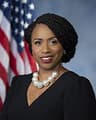
Ayanna Pressley (D-MA)
Recognizing and celebrating the significance of Black history museums and cultural institutions.
A Democratic resolution with 59 Democratic cosponsors · See all 59 cosponsors
Last activity — Referred to the Committee on Natural Resources, and in addition to the Committee on Education and Workforce, for a period to be subsequently determined by the Speaker, in each case for consideration of such provisions as fall within the jurisdiction of the committee concerned.
In committee
Introduced and handed to a committee in the chamber it started in.
The committee holds it, and most bills are never heard from again. A hearing or a committee vote would be news; silence is the usual outcome, and it kills the bill without anyone voting against it.
Its path through Congress
- Introduced
- In Committee
A House resolution is the House speaking for itself: stating a position, honouring someone, or setting its own rules. Adopting it is the whole process. Once the House agrees to it, it is officially the House's word; it is not a law, so the Senate and the President have no part in it.
What this bill would do
This resolution recognizes the importance of Black history museums and cultural institutions in the United States. It highlights how these institutions preserve the legacies and contributions of Black Americans while rectifying historical omissions. The text notes that 2026 marks both the 100th anniversary of Black History Month and the 250th anniversary of the United States. It aims to ensure Black history is prominently recognized as part of the American story during these milestones. Finally, it encourages federal agencies and the public to support and engage with these institutions.
Yes· 3 of 5
- Scored +8
Would Black Americans be better off under this?
The resolution specifically seeks to recognize, preserve, and support Black history and cultural institutions.
- Scored +7
Does this narrow racial gaps in how people are treated?
The resolution promotes the preservation of Black history to rectify historical omissions and marginalization.
- Scored +4
Would students be better off under this?
The resolution notes that these institutions serve as essential academic hubs for education.
The opposite
No question was scored the opposite.
Who it would affect, and how
Potential Positive Impacts for People
-
Historical Accuracy and Preservation: The resolution recognizes that these institutions rectify the historical omission and misrepresentation of Black people in mainstream textbooks and museums (Whereas clause).
-
Economic Growth: These institutions generate billions of dollars in economic activity, which supports hundreds of thousands of jobs and fuels local tax revenue through tourism and events (Whereas clause).
-
Educational Opportunities: The institutions serve as academic hubs for education and foster youth education and intergenerational healing (Whereas clause).
-
Partnership in National Celebrations: The resolution encourages the United States Semiquincentennial Commission to partner with these institutions for commemorative programming and exhibitions (Resolution clause 3).
-
Federal Support: The resolution calls on federal agencies, such as the National Park Service and the National Endowment for the Arts, to ensure strong support through funding and partnership programs (Resolution clause 4).
Potential Negative Impacts for People
- No negative impacts or burdens are explicitly mentioned in the provided text.
Groups and Interests Ranking
Every group the model scored this bill for, from -10 to +10. Tap or hover a score for the reason it gave.
- Demographic And Interest Groups
- Would Black Americans be better off under this? — The resolution specifically seeks to recognize, preserve, and support Black history and cultural institutions. Would students be better off under this? — The resolution notes that these institutions serve as essential academic hubs for education.
- Social Issues And Justice
- Does this narrow racial gaps in how people are treated? — The resolution promotes the preservation of Black history to rectify historical omissions and marginalization.
- Economy And Finance
- Is this likely to grow the economy? — The text highlights that these institutions generate billions of dollars in economic activity and fuel local tax revenue. Is this likely to create jobs? — The resolution notes that these institutions support hundreds of thousands of jobs through economic activity.
- 4/2/2026
- 1 Cosponsor added.
- 3/16/2026
- 1 Cosponsor added.
- 3/4/2026
- 5 Cosponsors added.
- 2/26/2026
- Submitted in House
- Referred to the Committee on Natural Resources, and in addition to the Committee on Education and Workforce, for a period to be subsequently determined by the Speaker, in each case for consideration of such provisions as fall within the jurisdiction of the committee concerned.
- 52 Cosponsors added.
 Sanford Bishop
Democrat · Georgia
 Suzanne Bonamici
Democrat · Oregon
 Joyce Beatty
Democrat · Ohio
 Nikki Budzinski
Democrat · Illinois
 Wesley Bell
Democrat · Missouri
 Janelle Bynum
Democrat · Oregon
 Emanuel Cleaver
Democrat · Missouri
 Yvette Clarke
Democrat · New York
 Steve Cohen
Democrat · Tennessee
 André Carson
Democrat · Indiana
 Sheila Cherfilus-McCormick
Democrat · Florida
 Danny Davis
Democrat · Illinois
 Madeleine Dean
Democrat · Pennsylvania
 Dwight Evans
Democrat · Pennsylvania
 Sarah Elfreth
Democrat · Maryland
 Cleo Fields
Democrat · Louisiana
 Valerie Foushee
Democrat · North Carolina
 Shomari Figures
Democrat · Alabama
 Jesús García
Democrat · Illinois
 Sylvia Garcia
Democrat · Texas
 Daniel Goldman
Democrat · New York
 Adelita Grijalva
Democrat · Arizona
 Henry Johnson
Democrat · Georgia
 Jonathan Jackson
Democrat · Illinois
 Robin Kelly
Democrat · Illinois
 Ro Khanna
Democrat · California
 Sydney Kamlager-Dove
Democrat · California
 Timothy Kennedy
Democrat · New York
 Stephen Lynch
Democrat · Massachusetts
 Summer Lee
Democrat · Pennsylvania
 James McGovern
Democrat · Massachusetts
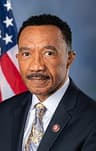 Kweisi Mfume
Democrat · Maryland
 Seth Moulton
Democrat · Massachusetts
 LaMonica McIver
Democrat · New Jersey
 Jerrold Nadler
Democrat · New York
 Eleanor Norton
Democrat · District of Columbia
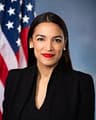 Alexandria Ocasio-Cortez
Democrat · New York
 Ilhan Omar
Democrat · Minnesota
 Frank Pallone
Democrat · New Jersey
 Chellie Pingree
Democrat · Maine
 Mike Quigley
Democrat · Illinois
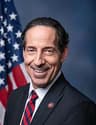 Jamie Raskin
Democrat · Maryland
 Delia Ramirez
Democrat · Illinois
 Janice Schakowsky
Democrat · Illinois
 David Scott
Democrat · Georgia
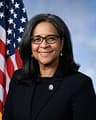 Marilyn Strickland
Democrat · Washington
 Terri Sewell
Democrat · Alabama
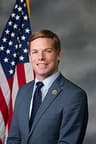 Eric Swalwell
Democrat · California
 Darren Soto
Democrat · Florida
 Melanie Stansbury
Democrat · New Mexico
 Andrea Salinas
Democrat · Oregon
 Lateefah Simon
Democrat · California
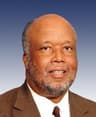 Bennie Thompson
Democrat · Mississippi
 Dina Titus
Democrat · Nevada
 Paul Tonko
Democrat · New York
 Rashida Tlaib
Democrat · Michigan
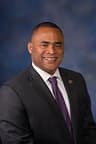 Marc Veasey
Democrat · Texas
 Frederica Wilson
Democrat · Florida
 Bonnie Watson Coleman
Democrat · New Jersey