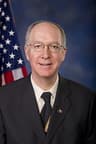
Bill Foster (D-IL)
Federal Naming Standards Act
A Democratic bill with 24 Democratic cosponsors · See all 24 cosponsors
Last activity — Referred to the Committee on Transportation and Infrastructure, and in addition to the Committee on Oversight and Government Reform, for a period to be subsequently determined by the Speaker, in each case for consideration of such provisions as fall within the jurisdiction of the committee concerned.
In committee
Introduced and handed to a committee in the chamber it started in.
The committee holds it, and most bills are never heard from again. A hearing or a committee vote would be news; silence is the usual outcome, and it kills the bill without anyone voting against it.
Its path through Congress
- Introduced
- In Committee
What this bill would do
This bill is called the Federal Naming Standards Act. It stops any Federal building, facility, or program from being named or renamed after any elected official or political appointee while they are in office and for 10 years after they leave office. If an official makes more than $1,000,000 a year from using their name, image, or likeness commercially, the ban lasts even longer until they drop below that amount. The rule does not apply to individuals who are deceased or to namings that happened before the bill was enacted. Agency inspector generals must investigate complaints about violations and report their findings to the agency head and Congress within 90 days. The bill also makes sure that using a name in museum exhibits, educational materials, or official press releases is still allowed.
Yes
- Scored +5
Does this make what the government does easier for the public to see?
The bill increases transparency by limiting the use of federal resources for personal branding.
The opposite
- Scored -3
Would people with substantial wealth be better off under this?
The bill restricts the commercial branding of high earners through federal entities.
- Scored -3
Would the very wealthiest people be better off under this?
The bill restricts the commercial branding of high earners through federal entities.
- Scored -3
Would billionaires be better off under this?
The bill restricts the commercial branding of high earners through federal entities.
Who it would affect, and how
Potential Positive Impacts for People
-
Holding Officials Accountable: Under Section 2, federal buildings, facilities, and programs cannot be named after elected officials or political appointees while they are in office and for 10 years after they leave. This keeps the focus off honoring active politicians with public property.
-
Stopping Commercial Exploitation: Under Section 2(b)(2), if an official makes more than $1,000,000 annually from using their name commercially, the ban on naming federal properties after them is extended. This prevents officials who cash in on their fame from getting public buildings named after them.
-
Oversight and Investigation: Under Section 2(d), the inspector general of each federal agency must investigate complaints about violations of this act and report their findings to the agency head and Congress within 90 days. This gives the public a clear way to make sure the rules are actually followed.
Potential Negative Impacts for People
- Based on the provided text, there are no specific negative impacts or burdens identified for individuals or groups of people in the United States.
Groups and Interests Ranking
Every group the model scored this bill for, from -10 to +10. Tap or hover a score for the reason it gave.
- Demographic And Interest Groups
- Would billionaires be better off under this? — The bill restricts the commercial branding of high earners through federal entities. Would people with substantial wealth be better off under this? — The bill restricts the commercial branding of high earners through federal entities. Would the very wealthiest people be better off under this? — The bill restricts the commercial branding of high earners through federal entities.
- Governance And Ideology
- Does this make what the government does easier for the public to see? — The bill increases transparency by limiting the use of federal resources for personal branding.
- 10/29/2026
- 1 Cosponsor added.
- 9/24/2026
- 1 Cosponsor added.
- 8/31/2026
- 1 Cosponsor added.
- 8/17/2026
- 1 Cosponsor added.
- 8/3/2026
- 1 Cosponsor added.
- 7/23/2026
- Referred to the Committee on Transportation and Infrastructure, and in addition to the Committee on Oversight and Government Reform, for a period to be subsequently determined by the Speaker, in each case for consideration of such provisions as fall within the jurisdiction of the committee concerned.
- 19 Cosponsors added.
- Introduced in House
 Jim Costa
Democrat · California
 J. Correa
Democrat · California
 Gilbert Cisneros
Democrat · California
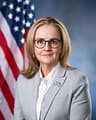 Madeleine Dean
Democrat · Pennsylvania
 Maxwell Frost
Democrat · Florida
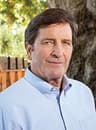 John Garamendi
Democrat · California
 Jesús García
Democrat · Illinois
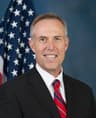 Jared Huffman
Democrat · California
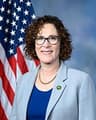 Val Hoyle
Democrat · Oregon
 Zoe Lofgren
Democrat · California
 Sam Liccardo
Democrat · California
 Gwen Moore
Democrat · Wisconsin
 Morgan McGarvey
Democrat · Kentucky
 Jerrold Nadler
Democrat · New York
 Eleanor Norton
Democrat · District of Columbia
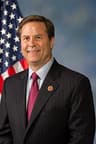 Donald Norcross
Democrat · New Jersey
 Deborah Ross
Democrat · North Carolina
 Raul Ruiz
Democrat · California
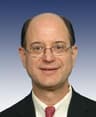 Brad Sherman
Democrat · California
 Linda Sánchez
Democrat · California
 Rashida Tlaib
Democrat · Michigan
 Marc Veasey
Democrat · Texas
 Debbie Wasserman Schultz
Democrat · Florida
 Bonnie Watson Coleman
Democrat · New Jersey