
Doris Matsui (D-CA)
No Passes for Polluters Act of 2026
A Democratic bill with 20 Democratic cosponsors · See all 20 cosponsors
Last activity — Referred to the Committee on Energy and Commerce, and in addition to the Committee on Rules, for a period to be subsequently determined by the Speaker, in each case for consideration of such provisions as fall within the jurisdiction of the committee concerned.
In committee
Introduced and handed to a committee in the chamber it started in.
The committee holds it, and most bills are never heard from again. A hearing or a committee vote would be news; silence is the usual outcome, and it kills the bill without anyone voting against it.
Its path through Congress
- Introduced
- In Committee
What this bill would do
The "No Passes for Polluters Act of 2026" seeks to amend the Clean Air Act to increase oversight of executive exemptions. It requires the President or agency heads to obtain approval through a congressional joint resolution before using or extending specific covered exemptions. This process includes transmitting a "special message" containing the reasons and estimated effects of the proposed exemption. The bill also mandates oversight by the Comptroller General to review these proposed uses. Additionally, the act repeals a specific exemption related to compliance schedules for hazardous air pollutants.
Yes· 3 of 9
- Scored +6
Does this make what the government does easier for the public to see?
The bill requires the President to transmit a detailed 'special message' to Congress regarding proposed exemptions.
- Scored +5
Does this better protect air, water and wildlife?
The bill increases congressional oversight and transparency regarding environmental exemptions under the Clean Air Act.
- Scored +2
Does this cut the pollution that drives climate change?
The bill makes it more difficult for the executive branch to use exemptions that might otherwise allow continued emissions.
The opposite· 3 of 4
- Scored -3
Does this give the federal government more power?
The bill reduces the unilateral power of the executive branch by requiring congressional approval for certain exemptions.
- Scored -2
Does this make it easier to run a small business?
The bill creates new legislative hurdles and potential delays for companies seeking environmental exemptions.
- Scored -1
Does this leave more decisions to the states?
The bill focuses on federal oversight and congressional control rather than transferring power to states.
Who it would affect, and how
Potential Positive Impacts for People
-
Increased Congressional Oversight: The bill requires that certain exemptions, such as those under sections 118(b), 248(e), and 604(f), can only be used after a joint resolution is enacted (Section 2(b)(1)). This provides more check-and-balance power to Congress regarding executive decisions.
-
Enhanced Transparency: The President must transmit a "special message" that includes the reasons for an exemption, the intended time period, and the estimated effect of the proposed use (Section 2(c)(1)). This ensures the public and lawmakers have specific facts and considerations regarding the exemption.
-
Expert Fact-Checking: The Comptroller General is tasked with reviewing special messages to notify Congress whether the proposed use of an exemption is in accordance with existing statutory authority (Section 2(d)(2)).
-
Public Accountability through Civil Action: The bill allows individuals to commence civil actions against those who use a covered exemption without an enacted joint resolution (Section 2(g)).
Potential Negative Impacts for People
-
Increased Legislative Hurdle for Exemptions: The use or extension of covered exemptions will have no force or effect until a joint resolution is enacted (Section 2(b)(1)). This creates a new requirement that could delay or prevent the use of exemptions.
-
Specific Limitations on Exemptions: Certain exemptions are subject to new time limits or specific requirements, such as an order under section 604(f) being limited to a period not exceeding one year (Section 2(b)(3)).
-
Repeal of Existing Protections: The bill strikes an existing exemption from the schedule for compliance for hazardous air pollutants (Section 3(a)).
Groups and Interests Ranking
Every group the model scored this bill for, from -10 to +10. Tap or hover a score for the reason it gave.
- Environment Energy And Infrastructure
- Does this better protect air, water and wildlife? — The bill increases congressional oversight and transparency regarding environmental exemptions under the Clean Air Act. Does this cut the pollution that drives climate change? — The bill makes it more difficult for the executive branch to use exemptions that might otherwise allow continued emissions.
- Demographic And Interest Groups
- Would people in cities be better off under this? — Stricter enforcement of air pollution standards can improve air quality in densely populated urban areas. Would Black Americans be better off under this? — Greater transparency in pollution exemptions can help mitigate environmental racism affecting Black communities. Would Hispanic Americans be better off under this? — Enhanced air quality regulation may reduce disproportionate pollution impacts on Hispanic communities. Would households on low incomes be better off under this? — Increased air quality oversight may provide long-term health benefits for low-income communities.
- Governance And Ideology
- Does this make what the government does easier for the public to see? — The bill requires the President to transmit a detailed 'special message' to Congress regarding proposed exemptions. Does this protect the right to fair treatment by the courts? — The bill provides a mechanism for individuals to commence civil actions if exemptions are used without congressional approval. Does this give the federal government more power? — The bill reduces the unilateral power of the executive branch by requiring congressional approval for certain exemptions. Does this leave more decisions to the states? — The bill focuses on federal oversight and congressional control rather than transferring power to states.
- Economy And Finance
- Does this make it easier to run a small business? — The bill creates new legislative hurdles and potential delays for companies seeking environmental exemptions.
- National Security And Foreign Policy
- Does this increase the pay, pensions or support veterans receive? — The bill limits executive exemptions for military property emissions, which could indirectly affect military infrastructure management.
- Social Issues And Justice
- Does this narrow racial gaps in how people are treated? — Increased oversight of pollution exemptions may help reduce environmental injustices often faced by minority communities.
- 7/21/2026
- Referred to the Committee on Energy and Commerce, and in addition to the Committee on Rules, for a period to be subsequently determined by the Speaker, in each case for consideration of such provisions as fall within the jurisdiction of the committee concerned.
- 20 Cosponsors added.
- Introduced in House
One bill Congress.gov lists as related to this one — companions in the other chamber, earlier versions, and bills this one absorbed or was folded into.
 Suzanne Bonamici
Democrat · Oregon
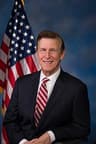 Donald Beyer
Democrat · Virginia
 Kathy Castor
Democrat · Florida
 Steve Cohen
Democrat · Tennessee
 Sean Casten
Democrat · Illinois
 Troy Carter
Democrat · Louisiana
 Maxine Dexter
Democrat · Oregon
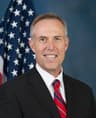 Jared Huffman
Democrat · California
 Pramila Jayapal
Democrat · Washington
 Raja Krishnamoorthi
Democrat · Illinois
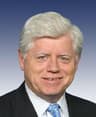 John Larson
Democrat · Connecticut
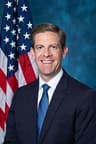 Mike Levin
Democrat · California
 Betty McCollum
Democrat · Minnesota
 Kevin Mullin
Democrat · California
 Jennifer McClellan
Democrat · Virginia
 Eleanor Norton
Democrat · District of Columbia
 Janice Schakowsky
Democrat · Illinois
 Rashida Tlaib
Democrat · Michigan
 Juan Vargas
Democrat · California
 Debbie Wasserman Schultz
Democrat · Florida