
A Democratic bill with 2 Republican cosponsors · See all 4 cosponsors
Last activity — Referred to the House Committee on Foreign Affairs.
In committee
Introduced and handed to a committee in the chamber it started in.
The committee holds it, and most bills are never heard from again. A hearing or a committee vote would be news; silence is the usual outcome, and it kills the bill without anyone voting against it.
Its path through Congress
- Introduced
- In Committee
What this bill would do
This bill, titled the "Stop Scamming Americans Act," proposes amendments to the Foreign Service Act of 1980. It aims to establish specific training for certain high-level diplomats and Foreign Service officers. This training is intended for those assigned to countries identified by the Secretary as having significant online scam activity targeting Americans. The training would cover topics such as transnational criminal organizations and human trafficking within scam centers. It also seeks to address foreign government corruption and provide diplomatic methods to respond to these issues.
Yes
- Scored +4
Does this favour talking over confrontation abroad?
The bill provides training on diplomatic methods to respond to foreign government corruption and criminal activity.
- Scored +3
Would households on low incomes be better off under this?
Addressing online scam syndicates can help protect vulnerable populations from financial exploitation.
The opposite
No question was scored the opposite.
Who it would affect, and how
Potential Positive Impacts for People
-
Targeted Training for Officials: The Secretary may establish training for chiefs of mission, deputy chiefs of mission, and Foreign Service officers assigned to countries with significant online scam activity targeting Americans (Section 2, paragraph 1). This could help officials better understand the threats facing the public.
-
Focus on Criminal Organizations and Human Trafficking: Training would address transnational criminal organizations, online scam centers, and human trafficking within those centers (Section 2, paragraph 2A). This focus could help officials better identify and combat these criminal elements.
-
Addressing Corruption and Developing Responses: The training aims to address foreign government complicity and corruption while identifying diplomatic methods to identify, prevent, and respond to such activities (Section 2, paragraph 2A). This could provide tools to handle the root causes of the scams targeting Americans.
Potential Negative Impacts for People
- No negative impacts are explicitly stated in the provided text.
Groups and Interests Ranking
Every group the model scored this bill for, from -10 to +10. Tap or hover a score for the reason it gave.
- National Security And Foreign Policy
- Does this favour talking over confrontation abroad? — The bill provides training on diplomatic methods to respond to foreign government corruption and criminal activity.
- Demographic And Interest Groups
- Would households on low incomes be better off under this? — Addressing online scam syndicates can help protect vulnerable populations from financial exploitation.
- 8/3/2026
- 1 Cosponsor added.
- 7/13/2026
- 2 Cosponsors added.
- 6/23/2026
- Referred to the House Committee on Foreign Affairs.
- 1 Cosponsor added.
- Introduced in House
One bill Congress.gov lists as related to this one — companions in the other chamber, earlier versions, and bills this one absorbed or was folded into.
 Brian Fitzpatrick
Republican · Pennsylvania
 Michael Lawler
Republican · New York
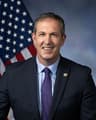 Johnny Olszewski
Democrat · Maryland
 Eugene Vindman
Democrat · Virginia