
A Republican bill with 3 Republican cosponsors · See all 3 cosponsors
Last activity — Received in the Senate and Read twice and referred to the Committee on Foreign Relations.
In the other chamber's committee
Passed one chamber and has been handed to a committee in the other.
The committee decides whether it goes any further, and most bills that reach a committee never leave it. A committee that simply does nothing kills a bill without anyone ever voting against it, so no news from here is usually the news.
Its path through Congress
- Introduced
- Passed House voice vote
- In Senate committee
The House by voice vote (members called out yes or no together): no member's position on it was recorded.
What this bill would do
This bill makes several changes to how the United States Foreign Service operates, recruits, and trains its personnel. It sets up new recruitment programs aimed at veterans, community colleges, and other nontraditional schools. The legislation introduces mandatory training on cybersecurity, leadership, critical minerals, and crisis management for various officers. It also creates a Diplomatic Reserve Corps pilot program to bring back retired members for emergency surges. Finally, the bill protects career progression for officers participating in outside fellowships or details.
Yes· 3 of 11
- Scored +7
Does this favour talking over confrontation abroad?
The legislation directly updates the Foreign Service Act of 1980 to improve personnel management, training, recruitment, and crisis response capabilities.
- Scored +7
Would veterans be better off under this, taking everything together?
The bill establishes the Veterans and Foreign Service Pathway Program and transition initiatives to facilitate veteran employment.
- Scored +6
Does this better protect the country from computer attacks?
The legislation significantly enhances cybersecurity, technology governance, and training frameworks across diplomatic posts.
The opposite
No question was scored the opposite.
Who it would affect, and how
Potential Positive Impacts for People
-
Section 302 establishes the Foreign Service Pathway for Veterans Program, which provides targeted recruitment, mentorship, and streamlined hiring pilot programs to help veterans and transitioning service members enter the Foreign Service.
-
Section 401 protects members of the Service who take part in external training, education, or details by ensuring they retain their status, grade, time-in-class, and promotion eligibility without being disadvantaged in their careers.
-
Section 701 expands internship opportunities to part-time students enrolled at least half-time in institutions of higher education, with a specific focus on outreach to community colleges and vocational schools.
Potential Negative Impacts for People
-
Section 501 requires Foreign Service officers to complete at least one joint duty assignment before they are even allowed to open a promotion window into the Senior Foreign Service, which could create an extra bureaucratic hurdle for career advancement.
-
Section 603 mandates that any Service member undergoing full-time, Department-funded language training for more than six months must serve three consecutive tours utilizing that specific language skill, limiting their assignment flexibility.
Groups and Interests Ranking
Every group the model scored this bill for, from -10 to +10. Tap or hover a score for the reason it gave.
- National Security And Foreign Policy
- Does this favour talking over confrontation abroad? — The legislation directly updates the Foreign Service Act of 1980 to improve personnel management, training, recruitment, and crisis response capabilities. Does this better protect the country from computer attacks? — The legislation significantly enhances cybersecurity, technology governance, and training frameworks across diplomatic posts. Does this increase the pay, pensions or support veterans receive? — The bill creates targeted fellowship and pathway programs to transition military veterans into federal foreign service careers. Does this strengthen ties with allied countries? — By modernizing the Foreign Service, improving training, and bolstering crisis readiness, the bill strengthens diplomatic engagement and execution abroad.
- Demographic And Interest Groups
- Would veterans be better off under this, taking everything together? — The bill establishes the Veterans and Foreign Service Pathway Program and transition initiatives to facilitate veteran employment. Would retired people be better off under this? — The creation of a Diplomatic Reserve Corps Pilot Program provides structured opportunities for retired Foreign Service members. Would students be better off under this? — Opening internships to part-time students and expanding recruitment at nontraditional institutions benefits student populations. Would people in their twenties and thirties be better off under this? — The bill expands internship opportunities to part-time students and broadens recruitment to community and technical colleges.
- Governance And Ideology
- Does this make what the government does easier for the public to see? — The legislation enforces strict anti-nepotism rules, disclosure requirements for selection boards, and timely congressional reporting. Does this give the federal government more power? — The bill expands federal agency oversight, mandatory training standards, and administrative procedures within the Department of State.
- Economy And Finance
- Is this likely to create jobs? — The bill establishes pilot programs and recruitment initiatives like the Diplomatic Reserve Corps and veterans pathways, creating temporary and permanent federal opportunities.
- 9/17/2026
- Received in the Senate and Read twice and referred to the Committee on Foreign Relations.
- 9/16/2026
- Motion to reconsider laid on the table Agreed to without objection.
- Passed/agreed to in House: On motion to suspend the rules and pass the bill, as amended Agreed to by voice vote.
- On motion to suspend the rules and pass the bill, as amended Agreed to by voice vote. (text: CR H5913-5922)
- DEBATE - The House proceeded with forty minutes of debate on H.R. 9086.
- Considered under suspension of the rules. (consideration: CR H5913-5924)
- Mr. Lawler moved to suspend the rules and pass the bill, as amended.
- 6/30/2026
- 1 Cosponsor added.
- 6/8/2026
- 1 Cosponsor added.
- 6/2/2026
- Referred to the Committee on Foreign Affairs, and in addition to the Committee on Ways and Means, for a period to be subsequently determined by the Speaker, in each case for consideration of such provisions as fall within the jurisdiction of the committee concerned.
- 1 Cosponsor added.
- Introduced in House
3 bills Congress.gov lists as related to this one — companions in the other chamber, earlier versions, and bills this one absorbed or was folded into.
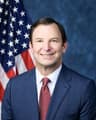 Craig Goldman
Republican · Texas
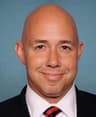 Brian Mast
Republican · Florida
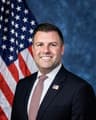 Ryan Mackenzie
Republican · Pennsylvania