
Steve Cohen (D-TN)
Latonya Reeves Freedom Act of 2026
A Democratic bill with 11 Republican cosponsors · See all 84 cosponsors
Last activity — Referred to the Committee on Energy and Commerce, and in addition to the Committee on the Judiciary, for a period to be subsequently determined by the Speaker, in each case for consideration of such provisions as fall within the jurisdiction of the committee concerned.
In committee
Introduced and handed to a committee in the chamber it started in.
The committee holds it, and most bills are never heard from again. A hearing or a committee vote would be news; silence is the usual outcome, and it kills the bill without anyone voting against it.
Its path through Congress
- Introduced
- In Committee
What this bill would do
This bill, known as the Latonya Reeves Freedom Act of 2026, stops discrimination against individuals with disabilities who need long-term services and supports. It affirms that eligible individuals have a federally protected right to live and receive services in their communities rather than being forced into institutions. Public entities and insurance providers must create transition plans, evaluate their current practices, and provide community-based options. The bill establishes strict rules for housing, workforce support, and public participation to ensure maximum independence. Finally, it gives the Department of Justice and affected individuals the power to enforce these rights through the courts.
Yes· 3 of 13
- Scored +10
Would people with disabilities be better off under this?
The bill grants individuals with disabilities a federally protected right to live in the most integrated setting possible.
- Scored +10
Does this expand the rights of people with disabilities?
The bill strengthens the integration mandate of the ADA to ensure people with disabilities can live independently in their communities.
- Scored +8
Does this make health care easier to get in general?
The bill establishes a protected right to community-based long-term services and supports for individuals with disabilities.
The opposite
No question was scored the opposite.
Who it would affect, and how
Potential Positive Impacts for People
-
Section 4(a) protects individuals with disabilities by making it illegal for public entities or insurance providers to deny community-based long-term services and supports to anyone who qualifies for institutional placement. This helps people stay in their homes and communities instead of being forced into institutions.
-
Section 4(b)(5) prohibits the use of waiting lists and similar roadblocks that delay or restrict access to community-based long-term services and supports, ensuring people get timely help.
-
Section 6(b)(6) requires public entities and insurance providers to improve and ensure the availability of affordable, accessible, and integrated housing. This provision specifically prioritizes individuals with the lowest income levels to make sure they have a safe place to live independently.
-
Section 8(a)(1) gives individuals the right to file civil actions in federal court if their rights under this Act are violated, holding government officials and insurance providers accountable for their actions.
Potential Negative Impacts for People
- Section 6(b)(10) allows public entities and insurance providers up to 12 years to fully implement their transition plans and achieve compliance with the requirements of the Act. This extended timeline means individuals may have to wait years before seeing meaningful improvements in community-based services.
Groups and Interests Ranking
Every group the model scored this bill for, from -10 to +10. Tap or hover a score for the reason it gave.
- Demographic And Interest Groups
- Would people with disabilities be better off under this? — The bill grants individuals with disabilities a federally protected right to live in the most integrated setting possible. Would households on low incomes be better off under this? — The bill prioritizes affordable, integrated housing for individuals with the lowest income levels. Would Black Americans be better off under this? — The bill requires the collection of demographic data to identify and address disparities in service provision. Would Asian Americans be better off under this? — The bill requires the collection of demographic data to identify and address disparities in service provision. Would Hispanic Americans be better off under this? — The bill requires the collection of demographic data to identify and address disparities in service provision. Would Native Americans be better off under this? — The bill requires the collection of demographic data to identify and address disparities in service provision. Would white Americans be better off under this? — The bill requires the collection of demographic data to identify and address disparities in service provision.
- Social Issues And Justice
- Does this expand the rights of people with disabilities? — The bill strengthens the integration mandate of the ADA to ensure people with disabilities can live independently in their communities. Does this make housing cost less? — The bill requires entities to improve community capacity for providing affordable, accessible, and integrated housing.
- Healthcare
- Does this make health care easier to get in general? — The bill establishes a protected right to community-based long-term services and supports for individuals with disabilities. Does this put more money into Medicaid, the health coverage for people on low incomes? — The bill requires public entities and insurance providers to ensure the availability of community-based services and supports.
- Economy And Finance
- Does this give people more protection from unfair business practices? — The bill provides individuals with legal recourse and damages for violations of their rights to community-based care.
- Governance And Ideology
- Does this make what the government does easier for the public to see? — The bill requires public entities to make self-evaluations and annual progress reports available on the internet.
- 10/29/2026
- 1 Cosponsor added.
- 10/26/2026
- 1 Cosponsor added.
- 10/22/2026
- 2 Cosponsors added.
- 10/15/2026
- 1 Cosponsor added.
- 10/6/2026
- 2 Cosponsors added.
- 10/1/2026
- 19 Cosponsors added.
- 9/24/2026
- 1 Cosponsor added.
- 9/2/2026
- 1 Cosponsor added.
- 7/13/2026
- 1 Cosponsor added.
- 7/9/2026
- 3 Cosponsors added.
- 6/29/2026
- 2 Cosponsors added.
- 6/25/2026
- 1 Cosponsor added.
- 6/24/2026
- 1 Cosponsor added.
- 6/23/2026
- Referred to the Committee on Energy and Commerce, and in addition to the Committee on the Judiciary, for a period to be subsequently determined by the Speaker, in each case for consideration of such provisions as fall within the jurisdiction of the committee concerned.
- 48 Cosponsors added.
- Introduced in House
One bill Congress.gov lists as related to this one — companions in the other chamber, earlier versions, and bills this one absorbed or was folded into.
 Suzanne Bonamici
Democrat · Oregon
 Don Bacon
Republican · Nebraska
 Nanette Barragán
Democrat · California
 Nikki Budzinski
Democrat · Illinois
 Ed Case
Democrat · Hawaii
 Yvette Clarke
Democrat · New York
 André Carson
Democrat · Indiana
 Joaquin Castro
Democrat · Texas
 J. Correa
Democrat · California
 Salud Carbajal
Democrat · California
 Angie Craig
Democrat · Minnesota
 Jason Crow
Democrat · Colorado
 Rosa DeLauro
Democrat · Connecticut
 Lloyd Doggett
Democrat · Texas
 Suzan DelBene
Democrat · Washington
 Debbie Dingell
Democrat · Michigan
 Sharice Davids
Democrat · Kansas
 Madeleine Dean
Democrat · Pennsylvania
 Bill Foster
Democrat · Illinois
 Brian Fitzpatrick
Republican · Pennsylvania
 Maxwell Frost
Democrat · Florida
 Al Green
Democrat · Texas
 Josh Gottheimer
Democrat · New Jersey
 Jared Golden
Democrat · Maine
 Robert Garcia
Democrat · California
 Daniel Goldman
Democrat · New York
 Adelita Grijalva
Democrat · Arizona
 Steven Horsford
Democrat · Nevada
 Jahana Hayes
Democrat · Connecticut
 Val Hoyle
Democrat · Oregon
 Henry Johnson
Democrat · Georgia
 Jonathan Jackson
Democrat · Illinois
 Robin Kelly
Democrat · Illinois
 Raja Krishnamoorthi
Democrat · Illinois
 Timothy Kennedy
Democrat · New York
 John Larson
Democrat · Connecticut
 Stephen Lynch
Democrat · Massachusetts
 Michael Lawler
Republican · New York
 Nicholas Langworthy
Republican · New York
 Betty McCollum
Democrat · Minnesota
 Gwen Moore
Democrat · Wisconsin
 Seth Moulton
Democrat · Massachusetts
 Daniel Meuser
Republican · Pennsylvania
 Joseph Morelle
Democrat · New York
 Lucy McBath
Democrat · Georgia
 Frank Mrvan
Democrat · Indiana
 Kevin Mullin
Democrat · California
 Robert Menendez
Democrat · New Jersey
 Jennifer McClellan
Democrat · Virginia
 Sarah McBride
Democrat · Delaware
 Richard Neal
Democrat · Massachusetts
 Eleanor Norton
Democrat · District of Columbia
 Joe Neguse
Democrat · Colorado
 August Pfluger
Republican · Texas
 Chellie Pingree
Democrat · Maine
 Jimmy Panetta
Democrat · California
 Nellie Pou
Democrat · New Jersey
 Emily Randall
Democrat · Washington
 Josh Riley
Democrat · New York
 Adam Smith
Democrat · Washington
 Marilyn Strickland
Democrat · Washington
 Darren Soto
Democrat · Florida
 Mary Gay Scanlon
Democrat · Pennsylvania
 Pete Stauber
Republican · Minnesota
 Bryan Steil
Republican · Wisconsin
 Haley Stevens
Democrat · Michigan
 Melanie Stansbury
Democrat · New Mexico
 Hillary Scholten
Democrat · Michigan
 Andrea Salinas
Democrat · Oregon
 Lateefah Simon
Democrat · California
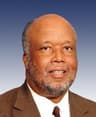 Bennie Thompson
Democrat · Mississippi
 Glenn Thompson
Republican · Pennsylvania
 Paul Tonko
Democrat · New York
 Ritchie Torres
Democrat · New York
 Lauren Underwood
Democrat · Illinois
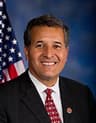 Juan Vargas
Democrat · California
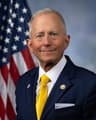 Jefferson Van Drew
Republican · New Jersey
 Derrick Van Orden
Republican · Wisconsin
 Gabe Vasquez
Democrat · New Mexico
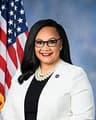 Nikema Williams
Democrat · Georgia
 Debbie Wasserman Schultz
Democrat · Florida
 Frederica Wilson
Democrat · Florida
 Bonnie Watson Coleman
Democrat · New Jersey
 James Walkinshaw
Democrat · Virginia