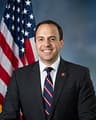
Lance Gooden (R-TX)
Federal Cryptocurrency Theft Enforcement and Coordination Act
A Republican bill with 3 Democratic cosponsors · See all 6 cosponsors
Last activity — Referred to the House Committee on the Judiciary.
In committee
Introduced and handed to a committee in the chamber it started in.
The committee holds it, and most bills are never heard from again. A hearing or a committee vote would be news; silence is the usual outcome, and it kills the bill without anyone voting against it.
Its path through Congress
- Introduced
- In Committee
What this bill would do
The Federal Cryptocurrency Theft Enforcement and Coordination Act establishes the Federal Cryptocurrency Theft Task Force within the Department of Justice. This task force, chaired by the Attorney General, will coordinate federal agencies to prevent, investigate, and prosecute cryptocurrency theft. It aims to provide training and best practices to state and local law enforcement while facilitating information sharing. The bill also requires an annual report to Congress on activities and emerging threats. It specifically states it will not regulate digital asset markets or create new criminal offenses.
Yes· 3 of 19
- Scored +5
Does this give people more protection from unfair business practices?
Increases the likelihood of recovery and prosecution for victims of cryptocurrency scams and theft.
- Scored +4
Does this better protect the country from computer attacks?
The bill enhances the investigation and prevention of cyber-enabled financial crimes.
- Scored +3
Would people over 65 be better off under this?
Seniors are often targeted by high-sophistication cryptocurrency fraud and phishing.
The opposite
No question was scored the opposite.
Who it would affect, and how
Potential Positive Impacts for People
-
Improved Law Enforcement Response: By creating a primary Federal coordinating body for the investigation and prosecution of cryptocurrency theft, the bill addresses the current problem of fragmented and inconsistent responses from authorities (Sec. 2 and Sec. 4).
-
Better Local Support: State and local law enforcement agencies will receive technical assistance, training, guidance, and best practices for evidence collection and asset tracing (Sec. 4).
-
Increased Information Sharing: The bill facilitates the sharing of information among Federal, State, local, Tribal, and territorial law enforcement agencies to better fight cryptocurrency crimes (Sec. 4).
-
International Cooperation: The Task Force will coordinate with international law enforcement partners for investigations that cross borders (Sec. 4).
Potential Negative Impacts for People
- No specific negative consequences or burdens for individuals or groups of people in the United States are explicitly mentioned in the provided text.
Groups and Interests Ranking
Every group the model scored this bill for, from -10 to +10. Tap or hover a score for the reason it gave.
- Demographic And Interest Groups
- Would billionaires be better off under this? — Increases security for significant digital asset holdings. Would business owners be better off under this? — Helps businesses recover stolen assets and reduces risk of digital theft. Would high-income households be better off under this? — Protects high-value digital asset portfolios through better federal enforcement. Would people with substantial wealth be better off under this? — Increases security for significant digital asset holdings. Would middle-income households be better off under this? — Provides better recovery mechanisms for middle-class cryptocurrency investors. Would retired people be better off under this? — Retirees are frequent targets of financial scams involving cryptocurrency. Would people over 65 be better off under this? — Seniors are often targeted by high-sophistication cryptocurrency fraud and phishing. Would the very wealthiest people be better off under this? — Increases security for significant digital asset holdings. Would people in middle age be better off under this? — Protects assets of middle-aged investors from cryptocurrency theft. Would people in their twenties and thirties be better off under this? — Young adults are frequently targets of digital asset scams. Would households on low incomes be better off under this? — Protects limited assets from fraud, though impact is lower if they don't own crypto. Would students be better off under this? — Provides some protection for students who may experiment with digital assets.
- Economy And Finance
- Does this give people more protection from unfair business practices? — Increases the likelihood of recovery and prosecution for victims of cryptocurrency scams and theft. Does this make it easier to run a small business? — Helps protect small businesses from the financial harm of cryptocurrency theft and fraud. Is this likely to grow the economy? — Reducing cryptocurrency theft protects assets and reduces financial harm to businesses and individuals.
- National Security And Foreign Policy
- Does this better protect the country from computer attacks? — The bill enhances the investigation and prevention of cyber-enabled financial crimes. Does this strengthen ties with allied countries? — The Task Force is mandated to coordinate with international law enforcement partners on cross-border theft.
- Governance And Ideology
- Does this make what the government does easier for the public to see? — Requires an annual report to Congress on the Task Force's activities and emerging threats. Does this give the federal government more power? — Establishes a new federal task force to coordinate law enforcement efforts.
- 7/14/2026
- 1 Cosponsor added.
- 6/15/2026
- 2 Cosponsors added.
- 6/11/2026
- Referred to the House Committee on the Judiciary.
- 3 Cosponsors added.
- Introduced in House
 Monica De La Cruz
Republican · Texas
 Josh Gottheimer
Democrat · New Jersey
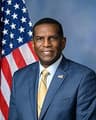 Burgess Owens
Republican · Utah
 Michael Rulli
Republican · Ohio
 Shri Thanedar
Democrat · Michigan
 Debbie Wasserman Schultz
Democrat · Florida