
Bill Foster (D-IL)
Closing the Digital Divide for Students Act of 2026
A Democratic bill with 6 Democratic cosponsors · See all 6 cosponsors
Last activity — Referred to the House Committee on Financial Services.
In committee
Introduced and handed to a committee in the chamber it started in.
The committee holds it, and most bills are never heard from again. A hearing or a committee vote would be news; silence is the usual outcome, and it kills the bill without anyone voting against it.
Its path through Congress
- Introduced
- In Committee
What this bill would do
This bill is known as the Closing the Digital Divide for Students Act of 2026. It requires that utility allowances for public housing include the reasonable costs for high-speed internet service. This includes the cost of equipment needed to access the service and a one-time installation fee. The monthly internet cost included in the utility allowance cannot exceed the lowest cost available in the area. It also cannot include costs for cable, satellite television, or telephone service. These internet costs can only be included for qualified families that have children who qualify for free and reduced-price lunch.
Yes· 3 of 6
- Scored +8
Would students be better off under this?
Students in qualifying public housing households receive dedicated support to bridge the digital divide for their education.
- Scored +7
Would children be better off under this?
It helps school-aged children in public housing access necessary educational tools and reliable internet for their studies.
- Scored +7
Would households on low incomes be better off under this?
Low-income families residing in public housing benefit directly by having their high-speed internet costs subsidized.
The opposite
No question was scored the opposite.
Who it would affect, and how
Potential Positive Impacts for People
-
Section 2 amends the law to include high-speed internet service, necessary equipment, and a one-time installation fee in public housing utility allowances. This helps families by covering the costs of getting connected to the internet.
-
Section 2 allows qualified families with children who qualify for free and reduced-price lunch to receive these internet costs in their utility allowance. This directly benefits households with school-aged children by helping them access necessary educational tools.
-
Section 2 ensures that the internet service provider must supply a specific technology capable of blocking or filtering certain visual depictions to protect minors. This provides a safety measure for children accessing the internet in these households.
Potential Negative Impacts for People
-
Section 2 limits the included monthly internet cost to the lowest cost available in the area. Families who choose a more expensive service must pay the difference themselves.
-
Section 2 expressly prohibits the utility allowance from including any costs for cable or satellite television service or telephone service. Families wanting these bundled services must pay for the television or phone portions out of pocket.
-
Section 2 restricts these internet utility allowances only to households that include children who qualify for free and reduced-price lunch. Public housing residents without children, or with children who do not qualify for free and reduced-price lunch, are excluded from this benefit.
Groups and Interests Ranking
Every group the model scored this bill for, from -10 to +10. Tap or hover a score for the reason it gave.
- Demographic And Interest Groups
- Would students be better off under this? — Students in qualifying public housing households receive dedicated support to bridge the digital divide for their education. Would children be better off under this? — It helps school-aged children in public housing access necessary educational tools and reliable internet for their studies. Would households on low incomes be better off under this? — Low-income families residing in public housing benefit directly by having their high-speed internet costs subsidized.
- Social Issues And Justice
- Does this make housing cost less? — The bill enhances public housing utility allowances by including high-speed internet costs for eligible families. Is this likely to lift people out of poverty? — It alleviates financial burdens for low-income families by covering essential internet connection and equipment costs.
- Education And Technology
- Does this get reliable internet to more people? — The legislation directly expands high-speed internet access for qualifying public housing households with students.
- 6/23/2026
- 1 Cosponsor added.
- 6/4/2026
- Referred to the House Committee on Financial Services.
- 5 Cosponsors added.
- Introduced in House
One bill Congress.gov lists as related to this one — companions in the other chamber, earlier versions, and bills this one absorbed or was folded into.
 Suzanne Bonamici
Democrat · Oregon
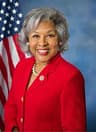 Joyce Beatty
Democrat · Ohio
 Madeleine Dean
Democrat · Pennsylvania
 Stephen Lynch
Democrat · Massachusetts
 Eleanor Norton
Democrat · District of Columbia
 Rashida Tlaib
Democrat · Michigan