A Republican bill with 20 Democratic cosponsors · See all 41 cosponsors
Last activity — Referred to the House Committee on Foreign Affairs.
In committee
Introduced and handed to a committee in the chamber it started in.
The committee holds it, and most bills are never heard from again. A hearing or a committee vote would be news; silence is the usual outcome, and it kills the bill without anyone voting against it.
Its path through Congress
- Introduced
- In Committee
What this bill would do
H.R. 9043 is known as the Sex Trafficking Demand Reduction Act. The bill amends the Trafficking Victims Protection Act of 2000. It changes how the United States evaluates the efforts of foreign countries regarding the reduction of demand for commercial sex acts. Specifically, it updates the standards used to determine if foreign governments are making serious and sustained efforts to eliminate trafficking. The new rules look at whether a foreign government prohibits or implements policies against purchasing commercial sex acts, educates buyers on how traffickers exploit people, and reduces international sex tourism demand by its nationals. The changes take effect immediately upon the enactment of the Act.
Yes· 3 of 7
- Scored +8
Would women be better off under this?
Focuses on reducing the demand for commercial sex acts, which disproportionately affects and exploits women.
- Scored +7
Would children be better off under this?
Reducing the demand for commercial sex acts helps protect children from sex trafficking.
- Scored +7
Would immigrants be better off under this?
Reduces the demand that fuels the trafficking of immigrants for commercial sex.
The opposite· 3 of 5
- Scored -5
Would high-income households be better off under this?
Targets buyers of commercial sex, who are often of higher economic status.
- Scored -5
Would people with substantial wealth be better off under this?
Discourages the purchase of commercial sex and sex tourism.
- Scored -5
Would the very wealthiest people be better off under this?
Discourages the purchase of commercial sex and sex tourism.
Who it would affect, and how
Potential Positive Impacts for People
-
Section 2 amends section 108(b) of the Trafficking Victims Protection Act of 2000 to require foreign governments to make serious and sustained efforts to prohibit the purchase of commercial sex acts or implement a policy against it. This could benefit individuals by pushing foreign governments to crack down on the trade that drives human trafficking.
-
Section 2 also requires foreign governments to educate buyers of commercial sex on how traffickers exploit prostituted persons for human trafficking. This could be positive because it aims to inform buyers about the realities of human exploitation.
-
Section 2 adds a requirement for foreign governments to reduce demand for participation in international sex tourism by their nationals. This is designed to protect people by cutting down on international demand for sex tourism.
Potential Negative Impacts for People
- Based on the provided text, there are no specific sections or provisions identified that outline negative consequences or burdens for individuals or groups of people in the United States.
Groups and Interests Ranking
Every group the model scored this bill for, from -10 to +10. Tap or hover a score for the reason it gave.
- National Security And Foreign Policy
- Does this favour talking over confrontation abroad? — Utilizes diplomatic pressure and standards to combat global sex trafficking demand. Does this strengthen ties with allied countries? — Encourages foreign governments to adopt standards against sex trafficking to maintain positive US relations.
- Demographic And Interest Groups
- Would women be better off under this? — Focuses on reducing the demand for commercial sex acts, which disproportionately affects and exploits women. Would children be better off under this? — Reducing the demand for commercial sex acts helps protect children from sex trafficking. Would immigrants be better off under this? — Reduces the demand that fuels the trafficking of immigrants for commercial sex. Would households on low incomes be better off under this? — Targets the systems that often exploit low-income individuals through trafficking. Would people in their twenties and thirties be better off under this? — Reduces the risk of trafficking and exploitation for young adults. Would billionaires be better off under this? — Discourages the purchase of commercial sex and sex tourism. Would high-income households be better off under this? — Targets buyers of commercial sex, who are often of higher economic status. Would people with substantial wealth be better off under this? — Discourages the purchase of commercial sex and sex tourism. Would the very wealthiest people be better off under this? — Discourages the purchase of commercial sex and sex tourism. Would men be better off under this? — Increases pressure and prohibition on the buyers of commercial sex, who are predominantly men.
- 11/5/2026
- 1 Cosponsor added.
- 10/22/2026
- 2 Cosponsors added.
- 10/15/2026
- 3 Cosponsors added.
- 10/5/2026
- 1 Cosponsor added.
- 9/28/2026
- 3 Cosponsors added.
- 9/24/2026
- 1 Cosponsor added.
- 9/21/2026
- 1 Cosponsor added.
- 9/16/2026
- 1 Cosponsor added.
- 9/15/2026
- 1 Cosponsor added.
- 9/14/2026
- 5 Cosponsors added.
- 9/8/2026
- 1 Cosponsor added.
- 9/1/2026
- 4 Cosponsors added.
- 8/27/2026
- 2 Cosponsors added.
- 8/20/2026
- 2 Cosponsors added.
- 8/17/2026
- 2 Cosponsors added.
- 8/6/2026
- 1 Cosponsor added.
- 7/27/2026
- 1 Cosponsor added.
- 7/21/2026
- 1 Cosponsor added.
- 7/16/2026
- 1 Cosponsor added.
- 7/9/2026
- 1 Cosponsor added.
- 6/23/2026
- 3 Cosponsors added.
- 6/9/2026
- 1 Cosponsor added.
- 5/26/2026
- Referred to the House Committee on Foreign Affairs.
- 2 Cosponsors added.
- Introduced in House
 Sanford Bishop
Democrat · Georgia
 Joyce Beatty
Democrat · Ohio
 Julia Brownley
Democrat · California
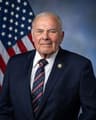 James Baird
Republican · Indiana
 Sheri Biggs
Republican · South Carolina
 Yvette Clarke
Democrat · New York
 Earl Carter
Republican · Georgia
 Donald Davis
Democrat · North Carolina
 Warren Davidson
Republican · Ohio
 Madeleine Dean
Democrat · Pennsylvania
 Virginia Foxx
Republican · North Carolina
 Brian Fitzpatrick
Republican · Pennsylvania
 Maxwell Frost
Democrat · Florida
 Bill Huizenga
Republican · Michigan
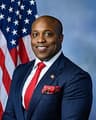 Wesley Hunt
Republican · Texas
 Henry Johnson
Democrat · Georgia
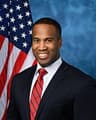 John James
Republican · Michigan
 Raja Krishnamoorthi
Democrat · Illinois
 Young Kim
Republican · California
 Thomas Kean
Republican · New Jersey
 Jennifer Kiggans
Republican · Virginia
 Sydney Kamlager-Dove
Democrat · California
 Ted Lieu
Democrat · California
 Michael Lawler
Republican · New York
 Max Miller
Republican · Ohio
 Tim Moore
Republican · North Carolina
 Sarah McBride
Democrat · Delaware
 Addison McDowell
Republican · North Carolina
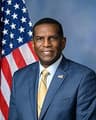 Burgess Owens
Republican · Utah
 Jimmy Panetta
Democrat · California
 Nellie Pou
Democrat · New Jersey
 Deborah Ross
Democrat · North Carolina
 Emily Randall
Democrat · Washington
 Maria Salazar
Republican · Florida
 Brad Sherman
Democrat · California
 Christopher Smith
Republican · New Jersey
 William Timmons
Republican · South Carolina
 Joe Wilson
Republican · South Carolina
 Debbie Wasserman Schultz
Democrat · Florida
 Frederica Wilson
Democrat · Florida
 James Walkinshaw
Democrat · Virginia