
LaMonica McIver (D-NJ)
RESTORE Third Spaces Act of 2026
A Democratic bill with 14 Democratic cosponsors · See all 14 cosponsors
Last activity — Referred to the Committee on Transportation and Infrastructure, and in addition to the Committee on Financial Services, for a period to be subsequently determined by the Speaker, in each case for consideration of such provisions as fall within the jurisdiction of the committee concerned.
In committee
Introduced and handed to a committee in the chamber it started in.
The committee holds it, and most bills are never heard from again. A hearing or a committee vote would be news; silence is the usual outcome, and it kills the bill without anyone voting against it.
Its path through Congress
- Introduced
- In Committee
What this bill would do
This bill directs the Secretary of Commerce to create a pilot program that awards grants to renovate and develop third spaces, which are public social environments distinct from home and work. Eligible entities for these grants include local governments, nonprofit corporations, Indian tribes, Native Hawaiian organizations, public libraries, community colleges, and specific partnerships. The program prioritizes entities seeking to strengthen local economies and mitigate social isolation. At least 60 percent of the awarded grant amounts for any fiscal year must go to eligible entities serving low-income and underserved communities. The pilot program expires three years after enactment, though the Secretary may extend it for an additional two years.
Yes· 3 of 24
- Scored +5
Would households on low incomes be better off under this?
At least 60 percent of grant funds are specifically directed to low-income and underserved communities.
- Scored +4
Does this make it easier to run a small business?
The bill provides low-barrier environments, shared-use infrastructure, and incubator spaces that support small businesses and local entrepreneurship.
- Scored +4
Does this narrow racial gaps in how people are treated?
The bill directs at least 60 percent of grant funds to low-income and underserved communities that have faced historical inequities and segregation.
The opposite
- Scored -1
Does this reduce what the federal government owes?
The bill authorizes $200,000,000 in appropriations, increasing government spending.
- Scored -1
Does this reduce what the federal government spends?
The bill authorizes $200,000,000 in federal appropriations for grants.
Who it would affect, and how
Potential Positive Impacts for People
-
Section 3(e)(1) ensures that not less than 60 percent of grant amounts awarded for a fiscal year go to eligible entities serving low-income and underserved communities, which directs federal resources to areas that have faced disinvestment and historical inequities.
-
Section 3(e)(2) requires each eligible entity to establish a policy ensuring that the renovated or developed third space remains free or low-cost to the general public, helping to keep community spaces accessible to everyday people.
-
Section 3(b) prioritizes grants for entities that seek to strengthen the local economy and mitigate social isolation, which can directly benefit community members looking for connection and economic support.
Potential Negative Impacts for People
- Section 3(i) authorizes appropriations of $200,000,000 to carry out the section, which represents a direct cost to taxpayers.
Groups and Interests Ranking
Every group the model scored this bill for, from -10 to +10. Tap or hover a score for the reason it gave.
- Demographic And Interest Groups
- Would households on low incomes be better off under this? — At least 60 percent of grant funds are specifically directed to low-income and underserved communities. Would Black Americans be better off under this? — The bill targets historically disinvested and segregated communities, many of which are predominantly minority. Would business owners be better off under this? — Surrounding businesses benefit from increased foot traffic and shared-use economic infrastructure. Would children be better off under this? — The bill supports community centers, parks, and playgrounds that benefit youth and families. Would Hispanic Americans be better off under this? — The focus on mitigating historical inequities and disinvestment helps minority communities. Would Native Americans be better off under this? — Federally recognized Indian tribes and Native Hawaiian organizations are explicitly included as eligible entities. Would retired people be better off under this? — Community third spaces provide crucial engagement opportunities to reduce isolation among retirees. Would people in rural areas be better off under this? — Rural areas are explicitly prioritized and included within the definition of underserved communities. Would people over 65 be better off under this? — Mitigating social isolation directly helps seniors who may be vulnerable to loneliness and disconnection. Would people in cities be better off under this? — Urban settings benefit from grants aimed at addressing gentrification and the loss of shared civic spaces. Would farmers be better off under this? — Rural areas and agricultural communities are eligible for rural third space development grants. Would middle-income households be better off under this? — Free or low-cost community spaces provide accessible recreational and social environments for middle-class families. Would students be better off under this? — Public libraries and community colleges can utilize funds to improve educational and community spaces. Would people in their twenties and thirties be better off under this? — Makerspaces and community hubs offer networking and social engagement opportunities for young adults.
- Economy And Finance
- Does this make it easier to run a small business? — The bill provides low-barrier environments, shared-use infrastructure, and incubator spaces that support small businesses and local entrepreneurship. Is this likely to grow the economy? — By revitalizing shared infrastructure, the bill helps drive foot traffic to local businesses and builds community wealth. Is this likely to create jobs? — The bill fosters local entrepreneurship and small business growth by supporting community spaces that act as incubators. Does this reduce what the federal government spends? — The bill authorizes $200,000,000 in federal appropriations for grants. Does this reduce what the federal government owes? — The bill authorizes $200,000,000 in appropriations, increasing government spending.
- Social Issues And Justice
- Does this narrow racial gaps in how people are treated? — The bill directs at least 60 percent of grant funds to low-income and underserved communities that have faced historical inequities and segregation. Is this likely to lift people out of poverty? — Directing the majority of grant funding to low-income communities helps address historical economic disinvestment.
- Environment Energy And Infrastructure
- Does this invest in rural communities? — The bill explicitly includes rural areas and rural entities in its grant programs to develop shared community spaces.
- Governance And Ideology
- Does this make what the government does easier for the public to see? — The bill institutes required reporting and reporting metrics for successful third space outcomes. Does this give the federal government more power? — The bill establishes a new federal pilot program managed by the Department of Commerce.
- Healthcare
- Does this make mental health care easier to get? — Mitigating social isolation and enhancing community spaces supports emotional well-being and mental health.
- Education And Technology
- Does this put more money into public schools? — Public libraries and community colleges are eligible entities for grants under the pilot program.
- 7/14/2026
- 1 Cosponsor added.
- 7/9/2026
- 2 Cosponsors added.
- 6/29/2026
- 1 Cosponsor added.
- 6/25/2026
- 2 Cosponsors added.
- 6/22/2026
- 1 Cosponsor added.
- 5/26/2026
- Referred to the Committee on Transportation and Infrastructure, and in addition to the Committee on Financial Services, for a period to be subsequently determined by the Speaker, in each case for consideration of such provisions as fall within the jurisdiction of the committee concerned.
- 7 Cosponsors added.
- Introduced in House
 André Carson
Democrat · Indiana
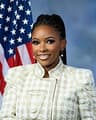 Jasmine Crockett
Democrat · Texas
 Danny Davis
Democrat · Illinois
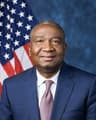 Cleo Fields
Democrat · Louisiana
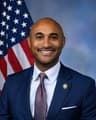 Shomari Figures
Democrat · Alabama
 Al Green
Democrat · Texas
 Jesús García
Democrat · Illinois
 Adelita Grijalva
Democrat · Arizona
 Seth Moulton
Democrat · Massachusetts
 Eleanor Norton
Democrat · District of Columbia
 Mike Quigley
Democrat · Illinois
 Bennie Thompson
Democrat · Mississippi
 Rashida Tlaib
Democrat · Michigan
 Maxine Waters
Democrat · California