
Lizzie Fletcher (D-TX)
No Presidential Self-Serving Lawsuits Act of 2026
A Democratic bill with 39 Democratic cosponsors · See all 39 cosponsors
Last activity — Referred to the House Committee on the Judiciary.
In committee
Introduced and handed to a committee in the chamber it started in.
The committee holds it, and most bills are never heard from again. A hearing or a committee vote would be news; silence is the usual outcome, and it kills the bill without anyone voting against it.
Its path through Congress
- Introduced
- In Committee
What this bill would do
H.R. 8968, known as the No Presidential Self-Serving Lawsuits Act of 2026, stops the President from filing a civil lawsuit against the United States. The bill voids the settlement agreement in the specific case of Trump v. Internal Revenue Service. It bans the use of federal funds or the creation of a compensation fund to settle a civil action brought against the United States by a current or former President. The Secretary of the Treasury is also given the power to recover any federal funds that were used in violation of this ban.
Yes· 3 of 6
- Scored +2
Does this reduce what the federal government spends?
The bill protects taxpayer money by preventing federal funds from being used to settle presidential lawsuits and allows for recovery of improperly used funds.
- Scored +2
Does this make the government pay for what it commits to?
By prohibiting the use of federal funds for presidential civil lawsuit settlements, the legislation promotes responsible use of government funds.
- Scored +2
Does this make what the government does easier for the public to see?
The legislation enforces accountability and prevents conflicts of interest regarding executive branch legal actions against the United States.
The opposite
No question was scored the opposite.
Who it would affect, and how
Potential Positive Impacts for People
- Section 3(a) and Section 3(b) prevent federal funds from being used to settle a civil action brought against the United States by a President or former President, and allow the Treasury to recover improperly used funds. This is positive because it protects taxpayer money from being spent on lawsuits brought by the nation's highest official.
Potential Negative Impacts for People
- Based on the provided text, there are no specific sections or provisions identified that create negative consequences or burdens for individuals or groups of people in the United States.
Groups and Interests Ranking
Every group the model scored this bill for, from -10 to +10. Tap or hover a score for the reason it gave.
- Economy And Finance
- Does this make the government pay for what it commits to? — By prohibiting the use of federal funds for presidential civil lawsuit settlements, the legislation promotes responsible use of government funds. Does this reduce what the federal government spends? — The bill protects taxpayer money by preventing federal funds from being used to settle presidential lawsuits and allows for recovery of improperly used funds.
- Governance And Ideology
- Does this make what the government does easier for the public to see? — The legislation enforces accountability and prevents conflicts of interest regarding executive branch legal actions against the United States. Does this give the federal government more power? — The bill places specific statutory restrictions on presidential legal actions and empowers the Treasury to recover funds.
- Demographic And Interest Groups
- Would households on low incomes be better off under this? — Protecting taxpayer funds from being spent on presidential lawsuits indirectly benefits general taxpayers across all income levels. Would middle-income households be better off under this? — Protecting taxpayer funds from being spent on presidential lawsuits indirectly benefits general taxpayers across all income levels.
- 6/30/2026
- 1 Cosponsor added.
- 6/18/2026
- 1 Cosponsor added.
- 6/10/2026
- 1 Cosponsor added.
- 6/4/2026
- 1 Cosponsor added.
- 6/2/2026
- 2 Cosponsors added.
- 5/29/2026
- 1 Cosponsor added.
- 5/26/2026
- 3 Cosponsors added.
- 5/22/2026
- 3 Cosponsors added.
- 5/21/2026
- Referred to the House Committee on the Judiciary.
- 26 Cosponsors added.
- Introduced in House
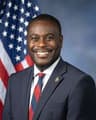 Gabe Amo
Democrat · Rhode Island
 Suzanne Bonamici
Democrat · Oregon
 Wesley Bell
Democrat · Missouri
 Steve Cohen
Democrat · Tennessee
 André Carson
Democrat · Indiana
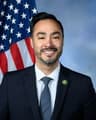 Joaquin Castro
Democrat · Texas
 Angie Craig
Democrat · Minnesota
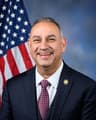 Gilbert Cisneros
Democrat · California
 Troy Carter
Democrat · Louisiana
 Diana DeGette
Democrat · Colorado
 Lloyd Doggett
Democrat · Texas
 Christopher Deluzio
Democrat · Pennsylvania
 Lois Frankel
Democrat · Florida
 Valerie Foushee
Democrat · North Carolina
 Al Green
Democrat · Texas
 John Garamendi
Democrat · California
 Sylvia Garcia
Democrat · Texas
 Steven Horsford
Democrat · Nevada
 Jared Huffman
Democrat · California
 Raja Krishnamoorthi
Democrat · Illinois
 Sam Liccardo
Democrat · California
 Gwen Moore
Democrat · Wisconsin
 Seth Moulton
Democrat · Massachusetts
 Jennifer McClellan
Democrat · Virginia
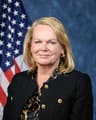 April McClain Delaney
Democrat · Maryland
 Christian Menefee
Democrat · Texas
 Jerrold Nadler
Democrat · New York
 Eleanor Norton
Democrat · District of Columbia
 Chellie Pingree
Democrat · Maine
 Scott Peters
Democrat · California
 Emily Randall
Democrat · Washington
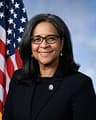 Marilyn Strickland
Democrat · Washington
 Andrea Salinas
Democrat · Oregon
 Lateefah Simon
Democrat · California
 Paul Tonko
Democrat · New York
 Rashida Tlaib
Democrat · Michigan
 Jill Tokuda
Democrat · Hawaii
 Nikema Williams
Democrat · Georgia
 Bonnie Watson Coleman
Democrat · New Jersey