A Democratic bill with 68 Democratic cosponsors · See all 68 cosponsors
Last activity — Referred to the House Committee on Energy and Commerce.
In committee
Introduced and handed to a committee in the chamber it started in.
The committee holds it, and most bills are never heard from again. A hearing or a committee vote would be news; silence is the usual outcome, and it kills the bill without anyone voting against it.
Its path through Congress
- Introduced
- In Committee
What this bill would do
The Maternal Health Pandemic Response Act aims to authorize funding for data collection, surveillance, and research regarding maternal health during public health emergencies. It allocates money to the CDC for various programs, including the Surveillance for Emerging Threats to Mothers and Babies program and the Pregnancy Risk Assessment Monitoring System. The bill also funds research through the National Institute of Child Health and Human Development. Additionally, it requires the Secretary to make specific health data publicly available on the CDC website. Finally, it establishes a Task Force to develop Federal recommendations for respectful and empowering maternity care during emergencies.
Yes· 3 of 17
- Scored +9
Would women be better off under this?
The bill provides substantial resources to improve the safety, dignity, and health outcomes of pregnant and postpartum individuals.
- Scored +8
Does this make the country readier for the next outbreak?
The bill authorizes significant funding for CDC surveillance and guidance specifically to mitigate risks during public health emergencies.
- Scored +8
Does this narrow racial gaps in how people are treated?
The bill prioritizes data collection and research on demographic groups with elevated rates of maternal mortality and health disparities.
The opposite
No question was scored the opposite.
Who it would affect, and how
Potential Positive Impacts for People
-
Improved Risk Reduction Guidance: The bill provides $100,000,000 for the CDC to work with organizations to provide updated guidance to families and providers to reduce risks to pregnant and postpartum individuals (Section 2, Subsection 1, Part A).
-
Enhanced Clinical Data Analysis: Funding is authorized to help state, tribal, territorial, and local programs analyze the impact of infectious diseases on pregnant patients, specifically focusing on racial and ethnic minority groups (Section 2, Subsection 1, Part B).
-
Community Support through Excellence Centers: The bill supports the establishment of regionally based centers of excellence to ensure communities can help pregnant and postpartum individuals get necessary care (Section 2, Subsection 1, Part C).
-
Expanded Support for Maternal Mortality Oversight: The "ERASE MM" program receives $30,000,000 to expand partnerships and provide technical assistance to Maternal Mortality Review Committees (Section 2, Subsection 2).
-
Improved Survey Accessibility: The Pregnancy Risk Assessment Monitoring System receives $45,000,000 to transition to an electronic platform and expand its reach to underrepresented communities (Section 2, Subsection 3, Part C).
-
Targeted Research for High-Risk Groups: $15,000,000 is authorized for research focused on interventions for demographic groups with elevated rates of maternal mortality and health disparities (Section 2, Subsection 4).
-
Increased Transparency of Health Data: The Secretary is required to make data regarding diagnostic testing, hospitalizations, and deaths during outbreaks available to the public (Section 3, Subsection B).
-
Public Health Education: The CDC is directed to conduct education campaigns to ensure individuals, employers, and providers have accurate, evidence-based information during emergencies (Section 4).
-
Development of High-Quality Care Recommendations: A Task Force will develop recommendations to promote positive birthing experiences and address issues such as telehealth access, mental health, and the inclusion of midwives and doulas (Section 5, Subsection B).
Potential Negative Impacts for People
- Privacy Risks: While the bill mandates de-identification of data, it involves the collection of sensitive health information including diagnostic testing and hospitalizations (Section 3, Subsection F).
Groups and Interests Ranking
Every group the model scored this bill for, from -10 to +10. Tap or hover a score for the reason it gave.
- Demographic And Interest Groups
- Would women be better off under this? — The bill provides substantial resources to improve the safety, dignity, and health outcomes of pregnant and postpartum individuals. Would Native Americans be better off under this? — The bill mandates consultation with Indian Tribes and Urban Indian organizations to improve health data and outcomes. Would Black Americans be better off under this? — The bill emphasizes reducing racial and ethnic health disparities in maternal mortality and morbidity. Would Hispanic Americans be better off under this? — The bill prioritizes research and guidance for demographic groups facing elevated maternal health risks. Would children be better off under this? — The bill funds programs designed to improve long-term health outcomes for newborns. Would immigrants be better off under this? — The bill directs the task force to address the specific needs of undocumented pregnant individuals during emergencies. Would households on low incomes be better off under this? — The bill focuses on reaching underrepresented and underserved communities through expanded survey reach and specialized care.
- Healthcare
- Does this make the country readier for the next outbreak? — The bill authorizes significant funding for CDC surveillance and guidance specifically to mitigate risks during public health emergencies. Does this make health care easier to get in general? — The bill funds surveillance and research to improve maternal health outcomes and community support during emergencies. Does this put more money into medical research? — The bill authorizes $15,000,000 for the National Institute of Child Health and Human Development to conduct maternal health research. Does this make mental health care easier to get? — The bill tasks a group with identifying how to treat prenatal and postpartum mental and behavioral health conditions. Does this put more money into Medicaid, the health coverage for people on low incomes? — The bill directs a task force to develop strategies to expand doula coverage under State Medicaid programs.
- Social Issues And Justice
- Does this narrow racial gaps in how people are treated? — The bill prioritizes data collection and research on demographic groups with elevated rates of maternal mortality and health disparities. Does this make child care cost less? — The bill directs a task force to consider strategies for providing childcare services during prenatal and postpartum appointments. Does this expand the rights of people with disabilities? — The task force is directed to address needs for specialized care and accessibility for high-risk individuals.
- Education And Technology
- Does this put more money into scientific research? — The bill provides dedicated funding for research into maternal and infant health interventions during emergencies.
- Governance And Ideology
- Does this make what the government does easier for the public to see? — The bill requires the Secretary to make specific health surveillance data publicly available on the CDC website.
- 8/24/2026
- 1 Cosponsor added.
- 5/14/2026
- Referred to the House Committee on Energy and Commerce.
- 67 Cosponsors added.
- Introduced in House
3 bills Congress.gov lists as related to this one — companions in the other chamber, earlier versions, and bills this one absorbed or was folded into.
 Alma Adams
Democrat · North Carolina
 Joyce Beatty
Democrat · Ohio
 Nanette Barragán
Democrat · California
 Wesley Bell
Democrat · Missouri
 Yvette Clarke
Democrat · New York
 Steve Cohen
Democrat · Tennessee
 André Carson
Democrat · Indiana
 Salud Carbajal
Democrat · California
 Angie Craig
Democrat · Minnesota
 Troy Carter
Democrat · Louisiana
 Herbert Conaway
Democrat · New Jersey
 Suzan DelBene
Democrat · Washington
 Debbie Dingell
Democrat · Michigan
 Madeleine Dean
Democrat · Pennsylvania
 Valerie Foushee
Democrat · North Carolina
 Shomari Figures
Democrat · Alabama
 John Garamendi
Democrat · California
 Josh Gottheimer
Democrat · New Jersey
 Jesús García
Democrat · Illinois
 Adelita Grijalva
Democrat · Arizona
 Steven Horsford
Democrat · Nevada
 Jahana Hayes
Democrat · Connecticut
 Glenn Ivey
Democrat · Maryland
 Henry Johnson
Democrat · Georgia
 Sara Jacobs
Democrat · California
 Jonathan Jackson
Democrat · Illinois
 Julie Johnson
Democrat · Texas
 Raja Krishnamoorthi
Democrat · Illinois
 Sydney Kamlager-Dove
Democrat · California
 Stephen Lynch
Democrat · Massachusetts
 Ted Lieu
Democrat · California
 George Latimer
Democrat · New York
 Kweisi Mfume
Democrat · Maryland
 Gregory Meeks
Democrat · New York
 Betty McCollum
Democrat · Minnesota
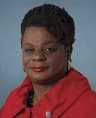 Gwen Moore
Democrat · Wisconsin
 Grace Meng
Democrat · New York
 Seth Moulton
Democrat · Massachusetts
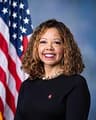 Lucy McBath
Democrat · Georgia
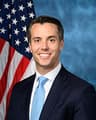 Morgan McGarvey
Democrat · Kentucky
 Kevin Mullin
Democrat · California
 LaMonica McIver
Democrat · New Jersey
 Christian Menefee
Democrat · Texas
 Jerrold Nadler
Democrat · New York
 Eleanor Norton
Democrat · District of Columbia
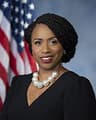 Ayanna Pressley
Democrat · Massachusetts
 Nellie Pou
Democrat · New Jersey
 Mike Quigley
Democrat · Illinois
 Robert Scott
Democrat · Virginia
 Adam Smith
Democrat · Washington
 Marilyn Strickland
Democrat · Washington
 Terri Sewell
Democrat · Alabama
 Darren Soto
Democrat · Florida
 Mary Gay Scanlon
Democrat · Pennsylvania
 Kim Schrier
Democrat · Washington
 Melanie Stansbury
Democrat · New Mexico
 Hillary Scholten
Democrat · Michigan
 Emilia Sykes
Democrat · Ohio
 Andrea Salinas
Democrat · Oregon
 Paul Tonko
Democrat · New York
 Mark Takano
Democrat · California
 Norma Torres
Democrat · California
 Rashida Tlaib
Democrat · Michigan
 Juan Vargas
Democrat · California
 Marc Veasey
Democrat · Texas
 Nikema Williams
Democrat · Georgia
 Frederica Wilson
Democrat · Florida
 Bonnie Watson Coleman
Democrat · New Jersey