A Democratic bill with 90 Democratic cosponsors · See all 90 cosponsors
Last activity — Referred to the House Committee on Education and Workforce.
In committee
Introduced and handed to a committee in the chamber it started in.
The committee holds it, and most bills are never heard from again. A hearing or a committee vote would be news; silence is the usual outcome, and it kills the bill without anyone voting against it.
Its path through Congress
- Introduced
- In Committee
What this bill would do
This bill, titled the "Extending WIC for New Moms Act," aims to expand the Special Supplemental Nutrition Program for Women, Infants, and Children (WIC). It seeks to extend the eligibility period for new moms and adjust the breastfeeding period. Specifically, the bill changes the postpartum period and the breastfeeding period within the Child Nutrition Act of 1966. Additionally, the Secretary of Agriculture is required to submit a report to Congress evaluating these changes.
Yes· 3 of 12
- Scored +7
Would women be better off under this?
The bill significantly extends the period of time new mothers are eligible for WIC support and breastfeeding resources.
- Scored +6
Would households on low incomes be better off under this?
The bill extends the duration of nutritional assistance for new mothers in the WIC program.
- Scored +6
Does this make health care easier to get in general?
The bill extends the duration of WIC eligibility and breastfeeding support for new mothers.
The opposite
No question was scored the opposite.
Who it would affect, and how
Potential Positive Impacts for People
-
Extended Postpartum Eligibility: The bill strikes "six months" and inserts "24 months" regarding the postpartum period in Section 17(b)(10) of the Child Nutrition Act of 1966. This would extend the length of time new moms are eligible for the program.
-
Extended Breastfeeding Support: The bill strikes "1 year" and inserts "24 months" in Section 17(d)(3)(A)(ii) of the Child Nutrition Act of 1966. This change extends the duration of the breastfeeding period covered by the program.
Potential Negative Impacts for People
- No negative impacts are explicitly stated in the provided text.
Groups and Interests Ranking
Every group the model scored this bill for, from -10 to +10. Tap or hover a score for the reason it gave.
- Demographic And Interest Groups
- Would women be better off under this? — The bill significantly extends the period of time new mothers are eligible for WIC support and breastfeeding resources. Would households on low incomes be better off under this? — The bill extends the duration of nutritional assistance for new mothers in the WIC program. Would children be better off under this? — The bill extends nutritional support for infants through an extended WIC period. Would Black Americans be better off under this? — The bill includes a mandate to evaluate how the changes affect racial and ethnic health disparities. Would Asian Americans be better off under this? — The bill includes a mandate to evaluate how the changes affect racial and ethnic health disparities. Would Hispanic Americans be better off under this? — The bill includes a mandate to evaluate how the changes affect racial and ethnic health disparities. Would Native Americans be better off under this? — The bill includes a mandate to evaluate how the changes affect racial and ethnic health disparities. Would white Americans be better off under this? — The bill includes a mandate to evaluate how the changes affect racial and ethnic health disparities.
- Healthcare
- Does this make health care easier to get in general? — The bill extends the duration of WIC eligibility and breastfeeding support for new mothers. Does this put more money into Medicaid, the health coverage for people on low incomes? — The bill expands WIC eligibility, which is a supplemental nutrition program often associated with low-income healthcare support.
- Social Issues And Justice
- Is this likely to lift people out of poverty? — By extending WIC eligibility, the bill provides longer-term nutritional support for low-income families. Does this narrow racial gaps in how people are treated? — The bill requires a report to evaluate the effect of these changes on racial and ethnic health disparities.
- 8/3/2026
- 1 Cosponsor added.
- 4/22/2026
- 1 Cosponsor added.
- 4/21/2026
- 1 Cosponsor added.
- 4/14/2026
- 1 Cosponsor added.
- 3/30/2026
- 3 Cosponsors added.
- 3/24/2026
- Referred to the House Committee on Education and Workforce.
- 83 Cosponsors added.
- Introduced in House
2 bills Congress.gov lists as related to this one — companions in the other chamber, earlier versions, and bills this one absorbed or was folded into.
 Alma Adams
Democrat · North Carolina
 Joyce Beatty
Democrat · Ohio
 Julia Brownley
Democrat · California
 Nanette Barragán
Democrat · California
 Nikki Budzinski
Democrat · Illinois
 Wesley Bell
Democrat · Missouri
 Emanuel Cleaver
Democrat · Missouri
 Yvette Clarke
Democrat · New York
 Steve Cohen
Democrat · Tennessee
 André Carson
Democrat · Indiana
 Salud Carbajal
Democrat · California
 Angie Craig
Democrat · Minnesota
 Troy Carter
Democrat · Louisiana
 Sheila Cherfilus-McCormick
Democrat · Florida
 Jasmine Crockett
Democrat · Texas
 Herbert Conaway
Democrat · New Jersey
 Suzan DelBene
Democrat · Washington
 Debbie Dingell
Democrat · Michigan
 Madeleine Dean
Democrat · Pennsylvania
 Dwight Evans
Democrat · Pennsylvania
 Sarah Elfreth
Democrat · Maryland
 Valerie Foushee
Democrat · North Carolina
 Shomari Figures
Democrat · Alabama
 John Garamendi
Democrat · California
 Josh Gottheimer
Democrat · New Jersey
 Jesús García
Democrat · Illinois
 Sylvia Garcia
Democrat · Texas
 Adelita Grijalva
Democrat · Arizona
 Steven Horsford
Democrat · Nevada
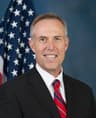 Jared Huffman
Democrat · California
 Jahana Hayes
Democrat · Connecticut
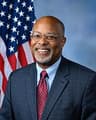 Glenn Ivey
Democrat · Maryland
 Henry Johnson
Democrat · Georgia
 Pramila Jayapal
Democrat · Washington
 Sara Jacobs
Democrat · California
 Jonathan Jackson
Democrat · Illinois
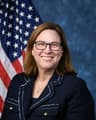 Julie Johnson
Democrat · Texas
 Raja Krishnamoorthi
Democrat · Illinois
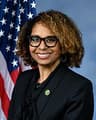 Sydney Kamlager-Dove
Democrat · California
 Stephen Lynch
Democrat · Massachusetts
 Ted Lieu
Democrat · California
 George Latimer
Democrat · New York
 James McGovern
Democrat · Massachusetts
 Kweisi Mfume
Democrat · Maryland
 Betty McCollum
Democrat · Minnesota
 Gwen Moore
Democrat · Wisconsin
 Grace Meng
Democrat · New York
 Seth Moulton
Democrat · Massachusetts
 Joseph Morelle
Democrat · New York
 Morgan McGarvey
Democrat · Kentucky
 Seth Magaziner
Democrat · Rhode Island
 Kevin Mullin
Democrat · California
 Jennifer McClellan
Democrat · Virginia
 LaMonica McIver
Democrat · New Jersey
 Christian Menefee
Democrat · Texas
 Jerrold Nadler
Democrat · New York
 Eleanor Norton
Democrat · District of Columbia
 Chris Pappas
Democrat · New Hampshire
 Ayanna Pressley
Democrat · Massachusetts
 Deborah Ross
Democrat · North Carolina
 Robert Scott
Democrat · Virginia
 Adam Smith
Democrat · Washington
 David Scott
Democrat · Georgia
 Marilyn Strickland
Democrat · Washington
 Terri Sewell
Democrat · Alabama
 Bradley Schneider
Democrat · Illinois
 Darren Soto
Democrat · Florida
 Mary Gay Scanlon
Democrat · Pennsylvania
 Haley Stevens
Democrat · Michigan
 Melanie Stansbury
Democrat · New Mexico
 Hillary Scholten
Democrat · Michigan
 Emilia Sykes
Democrat · Ohio
 Andrea Salinas
Democrat · Oregon
 Bennie Thompson
Democrat · Mississippi
 Paul Tonko
Democrat · New York
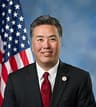 Mark Takano
Democrat · California
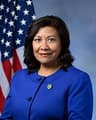 Norma Torres
Democrat · California
 Rashida Tlaib
Democrat · Michigan
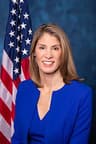 Lori Trahan
Democrat · Massachusetts
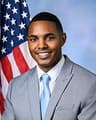 Ritchie Torres
Democrat · New York
 Jill Tokuda
Democrat · Hawaii
 Lauren Underwood
Democrat · Illinois
 Nydia Velázquez
Democrat · New York
 Juan Vargas
Democrat · California
 Marc Veasey
Democrat · Texas
 Eugene Vindman
Democrat · Virginia
 Nikema Williams
Democrat · Georgia
 Debbie Wasserman Schultz
Democrat · Florida
 Frederica Wilson
Democrat · Florida
 Bonnie Watson Coleman
Democrat · New Jersey