
Jeff Hurd (R-CO)
Don Young Doug LaMalfa Indian Buffalo Management Act
A Republican bill with 7 Democratic cosponsors · See all 15 cosponsors
Last activity — Placed on the Union Calendar, Calendar No. 753.
Cleared committee, waiting for its first floor vote
A committee approved it and it is on the calendar of the chamber it started in.
This is further than most bills get, and still no promise of a vote: the calendar is a queue, and the majority leadership decides what is called. A bill can sit here until the Congress ends.
Its path through Congress
- Introduced
- On Calendar
What this bill would do
This bill is known as the Don Young Doug LaMalfa Indian Buffalo Management Act. It assists Tribal governments in managing buffalo and buffalo habitat and reestablishing buffalo on Indian land. The legislation directs the Secretary of the Interior to work with Indian Tribes and Tribal organizations to promote and develop buffalo management capacity. It authorizes contracts, cooperative agreements, and grants for Indian Tribes and Tribal organizations to plan and implement buffalo restoration programs and commercial activities. The bill also requires the Secretary to consult with Indian Tribes on Department initiatives affecting buffalo and allows for the transfer of surplus buffalo from Federal land to Indian land. Finally, the authority provided by the Act ceases to be effective 7 years after its enactment.
Yes· 3 of 10
- Scored +8
Would Native Americans be better off under this?
The bill significantly empowers Native American tribes through resource management, economic, and cultural support.
- Scored +6
Does this narrow racial gaps in how people are treated?
The bill empowers Native American tribes through resource management and cultural preservation.
- Scored +5
Does this better protect air, water and wildlife?
The bill focuses on the conservation and enhancement of buffalo and their habitats.
The opposite
No question was scored the opposite.
Who it would affect, and how
Potential Positive Impacts for People
-
Section 4(b)(1): This provision allows the Secretary to enter into contracts and cooperative agreements with, and award grants to, Indian Tribes and Tribal organizations. This is positive because it provides funding and formal partnerships to help Tribes plan, conduct, or implement buffalo restoration programs, commercial activities, mobile meat processing, and other management activities.
-
Section 4(c): This section requires the Secretary to provide technical assistance to Indian Tribes and Tribal organizations that enter into contracts, agreements, or receive grants. This is positive as it ensures Tribes receive expert help in carrying out their buffalo and buffalo habitat restoration or management programs.
-
Section 6: This section prohibits the Secretary from disclosing any information provided by an Indian Tribe or Tribal organization that is identified as culturally sensitive, proprietary, or otherwise confidential. This is positive because it protects sensitive Tribal information from being made public.
-
Section 7(a) and Section 7(c): These provisions allow the Secretary to enter into agreements with Indian Tribes or Tribal organizations to transport surplus buffalo from Federal land onto Indian land, and the Secretary may waive any charges for the buffalo. This is positive because it directly helps reestablish buffalo on Indian land without financial burdens for the buffalo.
Potential Negative Impacts for People
-
Section 4(b)(2): This subsection states that nothing in the contracts and grants subsection diminishes any Federal or State law regarding diseased buffalo or buffalo that escape from Indian land. This could be seen as a burden because it maintains existing Federal and State regulations and potential liabilities regarding escaped or diseased animals.
-
Section 9: This section establishes a sunset clause, stating that the authority provided by the Act ceases to be effective 7 years after the date of the enactment. This could be considered a negative outcome or limitation because the programs and authorities granted by the bill expire after 7 years.
Groups and Interests Ranking
Every group the model scored this bill for, from -10 to +10. Tap or hover a score for the reason it gave.
- Environment Energy And Infrastructure
- Does this better protect air, water and wildlife? — The bill focuses on the conservation and enhancement of buffalo and their habitats. Does this better protect public land such as parks and forests? — The bill enhances the management of federal lands through buffalo transfer to tribes. Does this invest in rural communities? — Supporting buffalo management on Indian lands contributes to rural resource development.
- Demographic And Interest Groups
- Would Native Americans be better off under this? — The bill significantly empowers Native American tribes through resource management, economic, and cultural support.
- Social Issues And Justice
- Does this narrow racial gaps in how people are treated? — The bill empowers Native American tribes through resource management and cultural preservation. Is this likely to lift people out of poverty? — Economic development opportunities provided by buffalo management may assist in poverty reduction.
- Economy And Finance
- Is this likely to create jobs? — The bill supports economic development and commercial activities related to buffalo production. Is this likely to grow the economy? — By fostering tribal commercial activities, the bill contributes to local economic growth.
- Governance And Ideology
- Does this protect people from being watched or searched? — The bill includes provisions to protect culturally sensitive or proprietary information provided by Tribes.
- Healthcare
- Does this make health care easier to get in general? — The reintroduction of buffalo into diets can support nutritional health for tribal members.
A committee approved it and sent it to the floor
What changed from Introduced in House: No change to the wording. Only the printed details that record the bill’s progress, such as the heading and dates, are different.
- 10/29/2026
- Reported by the Committee on Natural Resources. H. Rept. 119-856.
- Placed on the Union Calendar, Calendar No. 753.
- 9/15/2026
- Subcommittee on Indian and Insular Affairs Discharged
- Committee Consideration and Mark-up Session Held
- Ordered to be Reported by Unanimous Consent.
- 8/3/2026
- 3 Cosponsors added.
- 6/23/2026
- 2 Cosponsors added.
- 5/29/2026
- 2 Cosponsors added.
- 5/21/2026
- Subcommittee Hearings Held
- 5/15/2026
- 1 Cosponsor added.
- 5/12/2026
- Referred to the Subcommittee on Indian and Insular Affairs.
- 4/16/2026
- 2 Cosponsors added.
- 4/14/2026
- 1 Cosponsor added.
- 3/24/2026
- 1 Cosponsor added.
- 3/17/2026
- Referred to the House Committee on Natural Resources.
- 3 Cosponsors added.
- Introduced in House
3 bills Congress.gov lists as related to this one — companions in the other chamber, earlier versions, and bills this one absorbed or was folded into.
 Stephanie Bice
Republican · Oklahoma
 Nicholas Begich
Republican · Alaska
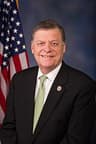 Tom Cole
Republican · Oklahoma
 Angie Craig
Democrat · Minnesota
 Sharice Davids
Democrat · Kansas
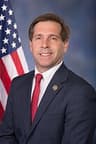 Charles Fleischmann
Republican · Tennessee
 Julie Fedorchak
Republican · North Dakota
 Jahana Hayes
Democrat · Connecticut
 Teresa Leger Fernandez
Democrat · New Mexico
 Zoe Lofgren
Democrat · California
 Dan Newhouse
Republican · Washington
 Mike Thompson
Democrat · California
 Gabe Vasquez
Democrat · New Mexico
 Tony Wied
Republican · Wisconsin
 Ryan Zinke
Republican · Montana