
A Democratic bill with 37 Democratic cosponsors · See all 37 cosponsors
Last activity — Referred to the Subcommittee on Nutrition and Foreign Agriculture.
In committee
Introduced and handed to a committee in the chamber it started in.
The committee holds it, and most bills are never heard from again. A hearing or a committee vote would be news; silence is the usual outcome, and it kills the bill without anyone voting against it.
Its path through Congress
- Introduced
- In Committee
What this bill would do
This bill, known as the "SNAP Benefits Fairness Act of 2025," seeks to amend the Food and Nutrition Act of 2008. The primary goal is to repeal the current limitation on the maximum deduction for shelter expenses. This deduction is used when determining benefit amounts. If passed, the changes would take effect on the first January 1st following the bill's enactment.
Yes· 3 of 21
- Scored +6
Would households on low incomes be better off under this?
The bill increases the potential benefit amount for low-income households with significant shelter expenses.
- Scored +5
Would people in cities be better off under this?
Urban residents often face higher shelter costs which this bill helps address through the deduction.
- Scored +5
Would retired people be better off under this?
The bill provides significant benefit increases for low-income retirees with high shelter costs.
The opposite
- Scored -2
Does this reduce what the federal government spends?
Increasing SNAP benefit amounts through higher deductions may lead to increased government spending.
Who it would affect, and how
Potential Positive Impacts for People
- Removal of Shelter Expense Limits: By striking subparagraph (B) of Section 5(e)(6) of the Food and Nutrition Act of 2008, the bill repeals the cap on how much a person can deduct for shelter costs. This could benefit individuals by allowing their actual shelter expenses to be considered when determining their benefits. (Section 2)
Potential Negative Impacts for People
- No negative impacts are explicitly stated in the provided text.
Groups and Interests Ranking
Every group the model scored this bill for, from -10 to +10. Tap or hover a score for the reason it gave.
- Demographic And Interest Groups
- Would households on low incomes be better off under this? — The bill increases the potential benefit amount for low-income households with significant shelter expenses. Would retired people be better off under this? — The bill provides significant benefit increases for low-income retirees with high shelter costs. Would people in cities be better off under this? — Urban residents often face higher shelter costs which this bill helps address through the deduction. Would people with disabilities be better off under this? — The bill provides more significant support for disabled individuals who may have higher fixed costs. Would people over 65 be better off under this? — The repeal of the deduction cap directly assists seniors on fixed incomes with high shelter costs. Would Black Americans be better off under this? — Statistically, the bill may provide significant benefits to African American households disproportionately represented in SNAP programs. Would children be better off under this? — Increased SNAP benefits can provide more food security for children in low-income households. Would Hispanic Americans be better off under this? — Statistically, the bill may provide significant benefits to Hispanic American households disproportionately represented in SNAP programs. Would men be better off under this? — Increased food security can benefit men in low-income households. Would people in middle age be better off under this? — Increased SNAP benefits can provide more food security for middle-aged adults in low-income households. Would Native Americans be better off under this? — Statistically, the bill may provide significant benefits to Native American households disproportionately represented in SNAP programs. Would students be better off under this? — Low-income students can receive higher benefit amounts for food security. Would women be better off under this? — Increased food security can benefit women in low-income households. Would people in their twenties and thirties be better off under this? — Increased SNAP benefits can provide more food security for young adults in low-income households. Would people in rural areas be better off under this? — The bill provides benefit increases for low-income rural residents regardless of cost of living. Would veterans be better off under this, taking everything together? — Veterans meeting low-income SNAP criteria will see increased benefits. Would Asian Americans be better off under this? — The bill provides assistance to any low-income household meeting the criteria. Would white Americans be better off under this? — The bill provides assistance to any low-income household meeting the criteria.
- Social Issues And Justice
- Is this likely to lift people out of poverty? — By allowing higher shelter expense deductions, SNAP benefits may increase for low-income individuals, helping reduce poverty. Is this likely to reduce homelessness? — Increased food assistance may provide greater stability for those facing housing insecurity.
- Economy And Finance
- Does this reduce what the federal government spends? — Increasing SNAP benefit amounts through higher deductions may lead to increased government spending.
- Governance And Ideology
- Does this give the federal government more power? — The bill involves federal amendments to the Food and Nutrition Act, slightly centralizing authority over benefit determination.
- 11/10/2026
- 1 Cosponsor added.
- 9/2/2026
- 3 Cosponsors added.
- 7/30/2026
- 2 Cosponsors added.
- 7/22/2026
- 1 Cosponsor added.
- 7/21/2026
- 1 Cosponsor added.
- 5/21/2026
- 1 Cosponsor added.
- 1/21/2026
- 1 Cosponsor added.
- 1/16/2026
- 1 Cosponsor added.
- 1/9/2026
- 1 Cosponsor added.
- 9/10/2025
- 2 Cosponsors added.
- 8/8/2025
- 1 Cosponsor added.
- 7/23/2025
- 1 Cosponsor added.
- 7/22/2025
- 1 Cosponsor added.
- 7/21/2025
- 1 Cosponsor added.
- 7/16/2025
- 1 Cosponsor added.
- 6/24/2025
- 1 Cosponsor added.
- 6/9/2025
- 3 Cosponsors added.
- 6/6/2025
- 1 Cosponsor added.
- 6/5/2025
- 2 Cosponsors added.
- 6/4/2025
- 2 Cosponsors added.
- 5/8/2025
- 4 Cosponsors added.
- 5/7/2025
- 3 Cosponsors added.
- 5/5/2025
- 1 Cosponsor added.
- 2/28/2025
- Referred to the Subcommittee on Nutrition and Foreign Agriculture.
- 2/6/2025
- Sponsor introductory remarks on measure. (CR H510-511)
- 1/28/2025
- Referred to the House Committee on Agriculture.
- 1 Cosponsor added.
- Introduced in House
 Yassamin Ansari
Democrat · Arizona
 Joyce Beatty
Democrat · Ohio
 Nanette Barragán
Democrat · California
 Shontel Brown
Democrat · Ohio
 Wesley Bell
Democrat · Missouri
 Judy Chu
Democrat · California
 Troy Carter
Democrat · Louisiana
 Sheila Cherfilus-McCormick
Democrat · Florida
 Greg Casar
Democrat · Texas
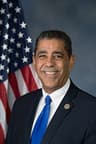 Adriano Espaillat
Democrat · New York
 Maxwell Frost
Democrat · Florida
 Valerie Foushee
Democrat · North Carolina
 Shomari Figures
Democrat · Alabama
 Adelita Grijalva
Democrat · Arizona
 William Keating
Democrat · Massachusetts
 Sydney Kamlager-Dove
Democrat · California
 Stephen Lynch
Democrat · Massachusetts
 Summer Lee
Democrat · Pennsylvania
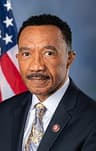 Kweisi Mfume
Democrat · Maryland
 Grace Meng
Democrat · New York
 Seth Moulton
Democrat · Massachusetts
 Kevin Mullin
Democrat · California
 Jennifer McClellan
Democrat · Virginia
 Eleanor Norton
Democrat · District of Columbia
 Stacey Plaskett
Democrat · Virgin Islands
 Emily Randall
Democrat · Washington
 Adam Smith
Democrat · Washington
 Terri Sewell
Democrat · Alabama
 Lateefah Simon
Democrat · California
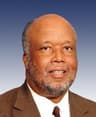 Bennie Thompson
Democrat · Mississippi
 Rashida Tlaib
Democrat · Michigan
 Jill Tokuda
Democrat · Hawaii
 Shri Thanedar
Democrat · Michigan
 Nikema Williams
Democrat · Georgia
 Frederica Wilson
Democrat · Florida
 Bonnie Watson Coleman
Democrat · New Jersey
 George Whitesides
Democrat · California