A Republican bill with 7 Democratic cosponsors · See all 18 cosponsors
Last activity — Referred to the Committee on Energy and Commerce, and in addition to the Committee on Ways and Means, for a period to be subsequently determined by the Speaker, in each case for consideration of such provisions as fall within the jurisdiction of the committee concerned.
In committee
Introduced and handed to a committee in the chamber it started in.
The committee holds it, and most bills are never heard from again. A hearing or a committee vote would be news; silence is the usual outcome, and it kills the bill without anyone voting against it.
Its path through Congress
- Introduced
- In Committee
What this bill would do
The Medicaid VBPs for Patients Act aims to amend the Social Security Act to codify value-based purchasing arrangements within the Medicaid program. It allows manufacturers to offer multiple best price points for a single drug if the arrangement is offered to all States. The bill also updates how the average manufacturer price is defined, specifically regarding payments triggered by patient outcomes. Additionally, it directs the Secretary of Health and Human Services to provide guidance on inpatient drug arrangements. Finally, the Act includes an exception under the Anti-Kickback Statute and mandates a GAO study to evaluate the impact of these arrangements.
Yes· 3 of 7
- Scored +4
Does this make health care easier to get in general?
The bill provides mechanisms to facilitate patient access to transformative therapies and mitigate socioeconomic disparities in drug access.
- Scored +3
Does this reduce what the federal government spends?
The bill aims to lower overall health system costs and Medicaid expenditures through value-based purchasing arrangements.
- Scored +2
Does this put more money into Medicaid, the health coverage for people on low incomes?
By allowing multiple best price points and value-based arrangements, the bill seeks to optimize drug costs within the Medicaid program.
The opposite
No question was scored the opposite.
Who it would affect, and how
Potential Positive Impacts for People
-
Increased Flexibility in Drug Pricing: Manufacturers may be able to offer multiple best price points for a single drug of a specific dosage and strength, provided they offer the arrangement to all States. (Section 2(a))
-
Addressing Patient Outcomes: The bill addresses drug payments that are triggered by whether a patient achieves specific outcomes or measures defined under a value-sased purchasing arrangement. (Section 2(b))
-
Enhanced Inpatient Drug Coordination: The Secretary of Health and Human Services will issue guidance to help State Medicaid agencies enter into arrangements for drugs provided during inpatient hospital services, including how States might transfer funds to treat individuals residing in different States. (Section 4)
-
Improved Access and Costs: A GAO study will be conducted to specifically look at how these arrangements facilitate access to transformative therapies, mitigate socioeconomic disparities, and lower costs for patients in Federal health care programs. (Section 6(a))
Potential Negative Impacts for People
- Complexity in Price Determination: The bill establishes a special rule where, for certain arrangements paid in installments, the price is determined as if the full aggregate price were paid in the first installment. (Section 2(b))
Groups and Interests Ranking
Every group the model scored this bill for, from -10 to +10. Tap or hover a score for the reason it gave.
- Healthcare
- Does this make health care easier to get in general? — The bill provides mechanisms to facilitate patient access to transformative therapies and mitigate socioeconomic disparities in drug access. Does this put more money into Medicaid, the health coverage for people on low incomes? — By allowing multiple best price points and value-based arrangements, the bill seeks to optimize drug costs within the Medicaid program.
- Economy And Finance
- Does this reduce what the federal government spends? — The bill aims to lower overall health system costs and Medicaid expenditures through value-based purchasing arrangements.
- Social Issues And Justice
- Does this narrow racial gaps in how people are treated? — The bill directs a GAO study to evaluate how these arrangements mitigate socioeconomic disparities in accessing drugs. Is this likely to lift people out of poverty? — By potentially lowering costs for patients in Federal health care programs, the bill may reduce financial burdens on low-income individuals.
- Demographic And Interest Groups
- Would households on low incomes be better off under this? — The bill aims to mitigate socioeconomic disparities in accessing covered outpatient drugs.
- Governance And Ideology
- Does this make what the government does easier for the public to see? — The bill mandates a GAO study and report to provide oversight on the impact of value-based purchasing arrangements.
- 11/11/2026
- 1 Cosponsor added.
- 7/21/2026
- 1 Cosponsor added.
- 6/30/2026
- 1 Cosponsor added.
- 6/8/2026
- 3 Cosponsors added.
- 5/26/2026
- 1 Cosponsor added.
- 5/20/2026
- 1 Cosponsor added.
- 5/12/2026
- 2 Cosponsors added.
- 5/11/2026
- 3 Cosponsors added.
- 3/9/2026
- Referred to the Committee on Energy and Commerce, and in addition to the Committee on Ways and Means, for a period to be subsequently determined by the Speaker, in each case for consideration of such provisions as fall within the jurisdiction of the committee concerned.
- 5 Cosponsors added.
- Introduced in House
One bill Congress.gov lists as related to this one — companions in the other chamber, earlier versions, and bills this one absorbed or was folded into.
 Jake Auchincloss
Democrat · Massachusetts
 Gus Bilirakis
Republican · Florida
 Troy Balderson
Republican · Ohio
 Kat Cammack
Republican · Florida
 Earl Carter
Republican · Georgia
 Donald Davis
Democrat · North Carolina
 Neal Dunn
Republican · Florida
 Jared Huffman
Democrat · California
 Glenn Ivey
Democrat · Maryland
 John Joyce
Republican · Pennsylvania
 Mike Kelly
Republican · Pennsylvania
 Ted Lieu
Democrat · California
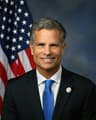 Daniel Meuser
Republican · Pennsylvania
 Mariannette Miller-Meeks
Republican · Iowa
 Kevin Mullin
Democrat · California
 Scott Peters
Democrat · California
 Beth Van Duyne
Republican · Texas
 Joe Wilson
Republican · South Carolina