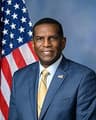
A Republican bill with 1 Republican cosponsor · See the cosponsor
Last activity — Placed on the Union Calendar, Calendar No. 513.
Cleared committee, waiting for its first floor vote
A committee approved it and it is on the calendar of the chamber it started in.
This is further than most bills get, and still no promise of a vote: the calendar is a queue, and the majority leadership decides what is called. A bill can sit here until the Congress ends.
Its path through Congress
- Introduced
- On Calendar
What this bill would do
The Closing the Provider Fraud Gap Act of 2026 requires the Comptroller General of the United States to study fraud prevention in specific Federal early childhood education, child care, and child nutrition programs. The study focuses on the effectiveness of fraud prevention measures and whether the government has and uses sufficient data to identify fraud. It specifically examines program integrity results for States that delegate management to local entities within the Child Care and Development Block Grant program. Within two years of enactment, a report containing the study results and recommendations for legislative or regulatory improvements must be submitted to Congress.
Yes· 3 of 15
- Scored +4
Would children be better off under this?
Ensuring fraud-free funding for Head Start and nutrition programs benefits children directly.
- Scored +4
Would households on low incomes be better off under this?
Low-income families are the primary beneficiaries of the child care and nutrition programs being studied.
- Scored +4
Does this make what the government does easier for the public to see?
The bill requires a public GAO report on fraud prevention and the effectiveness of data use.
The opposite
- Scored -1
Does this leave more decisions to the states?
The bill evaluates state performance and corrective actions, potentially leading to stricter federal requirements.
Who it would affect, and how
Potential Positive Impacts for People
-
Improved Fraud Prevention: By analyzing the effectiveness of current procedures and recommending improvements, the bill seeks to better prevent fraud in programs like Head Start and the Child and Adult Care Food Program (Section 2(a)(1) and 2(b)(2)).
-
Better Data Use: The study evaluates if the Federal Government is effectively using data and audits to identify fraud, which could lead to more efficient program oversight (Section 2(a)(2)).
-
Increased Accountability for Local Management: The bill requires an analysis of program integrity for States that delegate responsibilities to counties or local municipalities, ensuring these entities are held accountable (Section 2(a)(3)(A)).
-
Verification of Corrective Actions: The bill looks at whether States have implemented corrective action plans to improve program integrity and if those plans produced measurable outcomes (Section 2(a)(3)(B)).
Groups and Interests Ranking
Every group the model scored this bill for, from -10 to +10. Tap or hover a score for the reason it gave.
- Demographic And Interest Groups
- Would children be better off under this? — Ensuring fraud-free funding for Head Start and nutrition programs benefits children directly. Would households on low incomes be better off under this? — Low-income families are the primary beneficiaries of the child care and nutrition programs being studied. Would women be better off under this? — Women are disproportionately the primary caregivers and users of child care support services. Would Black Americans be better off under this? — Historically underserved communities benefit more from the integrity and availability of federal social services. Would Hispanic Americans be better off under this? — Improved integrity of child care and nutrition programs benefits diverse low-income populations. Would Native Americans be better off under this? — Ensuring federal funds reach their targets improves service delivery to tribal and rural communities. Would people in rural areas be better off under this? — Rural areas rely heavily on the Child and Adult Care Food Program. Would people in cities be better off under this? — Urban areas often have high concentrations of these federal programs.
- Economy And Finance
- Does this make the government pay for what it commits to? — The bill mandates a GAO study to improve program integrity and accountability in federal spending. Does this reduce what the federal government spends? — Identifying fraud gaps can lead to more efficient use of government funds. Does this reduce what the federal government owes? — Reducing fraud in federal programs can lead to long-term cost savings and reduced wasteful spending.
- Governance And Ideology
- Does this make what the government does easier for the public to see? — The bill requires a public GAO report on fraud prevention and the effectiveness of data use. Does this give the federal government more power? — The bill increases federal oversight via the GAO study of state-delegated programs. Does this leave more decisions to the states? — The bill evaluates state performance and corrective actions, potentially leading to stricter federal requirements.
- Social Issues And Justice
- Does this make child care cost less? — Reducing fraud ensures that childcare funds reach intended beneficiaries more effectively. Is this likely to lift people out of poverty? — Better program integrity for nutrition and education programs helps sustain critical services for low-income families.
- 4/6/2026
- Reported (Amended) by the Committee on Education and Workforce. H. Rept. 119-593.
- Placed on the Union Calendar, Calendar No. 513.
- 3/5/2026
- Committee Consideration and Mark-up Session Held
- Ordered to be Reported (Amended) by the Yeas and Nays: 35 - 0.
- 3/4/2026
- 1 Cosponsor added.
- 2/25/2026
- Referred to the House Committee on Education and Workforce.
- Introduced in House
 Julia Letlow
Republican · Louisiana