
A Republican bill with 12 Democratic cosponsors · See all 16 cosponsors
Last activity — Referred to the House Committee on the Judiciary.
In committee
Introduced and handed to a committee in the chamber it started in.
The committee holds it, and most bills are never heard from again. A hearing or a committee vote would be news; silence is the usual outcome, and it kills the bill without anyone voting against it.
Its path through Congress
- Introduced
- In Committee
What this bill would do
This bill, titled the "No Immunity for Glyphosate Act," aims to stop the use of Federal funds for the implementation of a specific Executive order regarding elemental phosphorus and glyphosate-based herbicides. It prohibits Federal funds from being used to administer or enforce the Executive order issued on February 18, 2026 (Section 2). Additionally, the act allows individuals or their representatives to bring civil actions against entities that manufacture, distribute, or sell these substances if they suffer physical injury, illness, disease, or death (Section 3a). It defines covered entities as those involved in the manufacturing, distribution, formulation, supply, or sale of these substances (Section s 3b). The bill removes legal immunity and specific defenses that entities might otherwise use under the Defense Production Act of 1950 (Section 3e and 3f).
Yes· 3 of 6
- Scored +8
Does this give people more protection from unfair business practices?
Increases accountability for manufacturers of glyphosate and phosphorus by removing legal immunities.
- Scored +6
Does this protect the right to fair treatment by the courts?
Removes immunity barriers, allowing individuals a cause of action in court for injuries.
- Scored +4
Does this better protect air, water and wildlife?
Increases corporate liability for chemical exposure from herbicides and phosphorus.
The opposite
- Scored -7
Would business owners be better off under this?
Creates significant legal and financial liability for manufacturers and distributors of specified chemicals.
- Scored -3
Would farmers be better off under this?
Potential supply chain disruptions or costs associated with herbicide manufacturers facing lawsuits.
- Scored -2
Does this give the federal government more power?
Restricts the executive branch's ability to implement a specific order using federal funds.
Who it would affect, and how
Potential Positive Impacts for People
-
Ability to Seek Legal Redress: Any person, or their estate and survivors, who suffers physical injury, illness, disease, or death from exposure to elemental phosphorus or glyphosate-based herbicides can bring a civil action in a U.S. district court (Section 3a).
-
Expanded Damage Awards: In legal actions, courts have the power to award compensatory damages for things like medical expenses and lost income, as well as punitive damages, equitable relief, and attorney's fees (Section 3d).
-
Removal of Legal Protections for Companies: The bill ensures that companies cannot use immunity from civil liability under Federal or State law, even if they are acting under the Defense Production Act (Section 3e).
-
Restriction of Defense Tactics: Companies are prohibited from using the defense that they were complying with an Executive order or contract issued under the Defense Production Act to avoid liability (Section 3f).
-
Protection of State Rights: This act does not limit or replace any rights or remedies that people already have available under State law (Section 3i).
Potential Negative Impacts for People
- Restricted Federal Oversight: The bill prohibits Federal funds from being used to implement, administer, or enforce the Executive order intended to ensure an adequate supply of elemental phosphorus and glyphosate-based herbicides (Section 2).
Groups and Interests Ranking
Every group the model scored this bill for, from -10 to +10. Tap or hover a score for the reason it gave.
- Economy And Finance
- Does this give people more protection from unfair business practices? — Increases accountability for manufacturers of glyphosate and phosphorus by removing legal immunities. Does this reduce what the federal government spends? — Prohibits the use of Federal funds to implement a specific Executive order. Does this make the government pay for what it commits to? — Limits federal spending on a specific executive order.
- Demographic And Interest Groups
- Would business owners be better off under this? — Creates significant legal and financial liability for manufacturers and distributors of specified chemicals. Would farmers be better off under this? — Potential supply chain disruptions or costs associated with herbicide manufacturers facing lawsuits.
- Governance And Ideology
- Does this protect the right to fair treatment by the courts? — Removes immunity barriers, allowing individuals a cause of action in court for injuries. Does this leave more decisions to the states? — Explicitly preserves existing and pending state law remedies and rights. Does this give the federal government more power? — Restricts the executive branch's ability to implement a specific order using federal funds.
- Environment Energy And Infrastructure
- Does this better protect air, water and wildlife? — Increases corporate liability for chemical exposure from herbicides and phosphorus.
- 9/14/2026
- 1 Cosponsor added.
- 9/1/2026
- 1 Cosponsor added.
- 8/31/2026
- 2 Cosponsors added.
- 7/22/2026
- 1 Cosponsor added.
- 7/21/2026
- 1 Cosponsor added.
- 7/9/2026
- 1 Cosponsor added.
- 4/28/2026
- 1 Cosponsor added.
- 3/17/2026
- 1 Cosponsor added.
- 3/4/2026
- 1 Cosponsor added.
- 2/23/2026
- 2 Cosponsors added.
- 2/20/2026
- Referred to the House Committee on the Judiciary.
- 4 Cosponsors added.
- Introduced in House
One bill Congress.gov lists as related to this one — companions in the other chamber, earlier versions, and bills this one absorbed or was folded into.
 Yassamin Ansari
Democrat · Arizona
 Lauren Boebert
Republican · Colorado
 Steve Cohen
Democrat · Tennessee
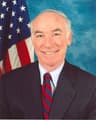 Joe Courtney
Democrat · Connecticut
 Judy Chu
Democrat · California
 Elijah Crane
Republican · Arizona
 Henry Johnson
Democrat · Georgia
 Ro Khanna
Democrat · California
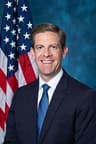 Mike Levin
Democrat · California
 Anna Paulina Luna
Republican · Florida
 Nancy Mace
Republican · South Carolina
 Eleanor Norton
Democrat · District of Columbia
 Alexandria Ocasio-Cortez
Democrat · New York
 Chellie Pingree
Democrat · Maine
 Mark Pocan
Democrat · Wisconsin
 Emily Randall
Democrat · Washington