Kweisi Mfume (D-MD)
National Council on African American History and Culture Act of 2026
A Democratic bill with 37 Democratic cosponsors · See all 37 cosponsors
Last activity — Referred to the House Committee on Education and Workforce.
In committee
Introduced and handed to a committee in the chamber it started in.
The committee holds it, and most bills are never heard from again. A hearing or a committee vote would be news; silence is the usual outcome, and it kills the bill without anyone voting against it.
Its path through Congress
- Introduced
- In Committee
What this bill would do
This bill establishes the National Council on African American History and Culture within the National Endowment for the Humanities. The Council will consist of 12 members appointed by the President with Senate approval. Members are required to be private citizens with expertise in the preservation and celebration of African American history and culture. The Council's duties include gathering information on cultural trends, monitoring museums, and evaluating programs of the National Endowment for the Humanities. Additionally, the Council will develop national policies to promote the understanding of African American history and culture. The Council is set to terminate 10 years after the Act is enacted.
Yes· 3 of 5
- Scored +7
Would Black Americans be better off under this?
The bill establishes a dedicated national council to promote the understanding and celebration of African American history and culture.
- Scored +6
Does this narrow racial gaps in how people are treated?
The bill creates a national council dedicated to the preservation, celebration, and policy development surrounding African American history and culture.
- Scored +2
Would women be better off under this?
The bill instructs the President to give due regard to the equitable representation of women in council appointments.
The opposite
- Scored -1
Does this reduce what the federal government spends?
The bill establishes a new advisory council which necessitates new federal spending on member compensation and travel.
Who it would affect, and how
Potential Positive Impacts for People
-
Expertise-Driven Preservation: The Council will be composed of individuals recognized for their broad knowledge, expertise, or commitment to the preservation and celebration of African American history and culture (Section 2(a)(2)(A)). This ensures that those overseeing these efforts have established records of service or scholarship (Section 2(a)(2)(C)).
-
Diverse Representation: The President is required to give due regard to the equitable representation of women, people of color, and individuals with disabilities involved in the humanities (Section 2(a)(3)(A)). This is intended to ensure a comprehensive representation of views from scholars, practitioners, and the public (Section 2(a)(3)(B)).
-
Cultural and Economic Recognition: The Council is tasked with developing policies to promote the understanding of African American history and the celebration of African Americans as contributors to the country's economic, cultural, and political success (Section 2(c)(4)).
-
Program Evaluation: The Council will evaluate the programs and activities of the National Endowment for the Humanities to determine how effectively they contribute to the preservation and celebration of African American history and culture (Section 2(c)(3)).
Potential Negative Impacts for People
-
Political Party Constraints: The bill requires strict political divisions, mandating that six members be affiliated with the Democratic party and six be affiliated with the Republican party (Section 2(a)(3)(C)). Additionally, the Chairperson and Vice Chairperson may not belong to the same political party (Section 2(a)(4)(B)).
-
Limited Duration: The Council is scheduled to terminate 10 years after the date of the Act's enactment (Section 2(e)).
Groups and Interests Ranking
Every group the model scored this bill for, from -10 to +10. Tap or hover a score for the reason it gave.
- Demographic And Interest Groups
- Would Black Americans be better off under this? — The bill establishes a dedicated national council to promote the understanding and celebration of African American history and culture. Would people with disabilities be better off under this? — The bill instructs the President to give due regard to the equitable representation of individuals with disabilities in council appointments. Would women be better off under this? — The bill instructs the President to give due regard to the equitable representation of women in council appointments.
- Social Issues And Justice
- Does this narrow racial gaps in how people are treated? — The bill creates a national council dedicated to the preservation, celebration, and policy development surrounding African American history and culture.
- Governance And Ideology
- Does this make what the government does easier for the public to see? — The council is tasked with producing annual reports regarding the preservation of culture to the National Endowment for the Humanities.
- Economy And Finance
- Does this reduce what the federal government spends? — The bill establishes a new advisory council which necessitates new federal spending on member compensation and travel.
- 10/6/2026
- 1 Cosponsor added.
- 6/25/2026
- 1 Cosponsor added.
- 6/23/2026
- 1 Cosponsor added.
- 4/9/2026
- 1 Cosponsor added.
- 2/12/2026
- Referred to the House Committee on Education and Workforce.
- 33 Cosponsors added.
- Introduced in House
One bill Congress.gov lists as related to this one — companions in the other chamber, earlier versions, and bills this one absorbed or was folded into.
 Joyce Beatty
Democrat · Ohio
 Shontel Brown
Democrat · Ohio
 Wesley Bell
Democrat · Missouri
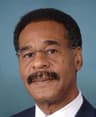 Emanuel Cleaver
Democrat · Missouri
 Yvette Clarke
Democrat · New York
 Steve Cohen
Democrat · Tennessee
 André Carson
Democrat · Indiana
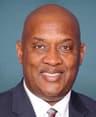 Dwight Evans
Democrat · Pennsylvania
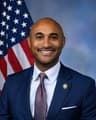 Shomari Figures
Democrat · Alabama
 Daniel Goldman
Democrat · New York
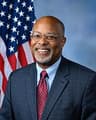 Glenn Ivey
Democrat · Maryland
 Henry Johnson
Democrat · Georgia
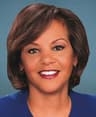 Robin Kelly
Democrat · Illinois
 Summer Lee
Democrat · Pennsylvania
 Gwen Moore
Democrat · Wisconsin
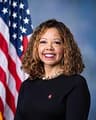 Lucy McBath
Democrat · Georgia
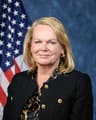 April McClain Delaney
Democrat · Maryland
 Jerrold Nadler
Democrat · New York
 Eleanor Norton
Democrat · District of Columbia
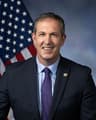 Johnny Olszewski
Democrat · Maryland
 Frank Pallone
Democrat · New Jersey
 Mark Pocan
Democrat · Wisconsin
 Jamie Raskin
Democrat · Maryland
 Janice Schakowsky
Democrat · Illinois
 David Scott
Democrat · Georgia
 Marilyn Strickland
Democrat · Washington
 Terri Sewell
Democrat · Alabama
 Greg Stanton
Democrat · Arizona
 Lateefah Simon
Democrat · California
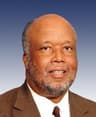 Bennie Thompson
Democrat · Mississippi
 Dina Titus
Democrat · Nevada
 Rashida Tlaib
Democrat · Michigan
 Shri Thanedar
Democrat · Michigan
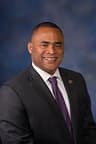 Marc Veasey
Democrat · Texas
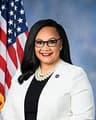 Nikema Williams
Democrat · Georgia
 Frederica Wilson
Democrat · Florida
 Bonnie Watson Coleman
Democrat · New Jersey