
James McGovern (D-MA)
United States-Cuba Trade Act of 2026
A Democratic bill with 30 Democratic cosponsors · See all 30 cosponsors
Last activity — Referred to the Committee on Foreign Affairs, and in addition to the Committees on Ways and Means, Energy and Commerce, the Judiciary, Agriculture, and Financial Services, for a period to be subsequently determined by the Speaker, in each case for consideration of such provisions as fall within the jurisdiction of the committee concerned.
In committee
Introduced and handed to a committee in the chamber it started in.
The committee holds it, and most bills are never heard from again. A hearing or a committee vote would be news; silence is the usual outcome, and it kills the bill without anyone voting against it.
Its path through Congress
- Introduced
- In Committee
What this bill would do
The United States-Cuba Trade Act of 2026 aims to lift the trade embargo on Cuba. It repeals various existing laws, including the Cuban Democracy Act of 1992 and the LIBERTAD Act of 1996. The bill removes restrictions on exports and eases trade relations with the country. It also allows for easier travel and telecommunications services between the United States and Cuba. Finally, it directs the President to negotiate with the Cuban government regarding property claims and human rights.
Yes· 3 of 11
- Scored +8
Does this make trade with other countries easier?
The bill removes trade barriers, allows for expanded telecommunications services, and establishes normal trade relations with Cuba.
- Scored +5
Is this likely to grow the economy?
Lifting the trade embargo and establishing normal trade relations is likely to increase trade volume and economic activity.
- Scored +5
Does this get reliable internet to more people?
Allowing common carriers to install and upgrade telecommunications equipment can improve connectivity.
The opposite
No question was scored the opposite.
Who it would affect, and how
Potential Positive Impacts for People
-
Travel and Financial Ease: U.S. citizens and residents can travel to and from Cuba without the travel being regulated or prohibited if it would be lawful in the U.S., including transactions like banking with foreign currency drafts or traveler's checks. (Section 4)
-
Telecommunications Access: Common carriers are authorized to install, maintain, repair, and upgrade telecommunications equipment and facilities in Cuba, and provide services between the U.S. and Cuba. (Section 3)
-
Remittance Freedom: The Secretary of the Treasury is prohibited from limiting the amount of remittances sent to Cuba by persons subject to U.S. jurisdiction. (Section 7)
-
Trade Normalization: The bill extends nondiscriminatory treatment to the products of Cuba, applying normal trade relations treatment. (Section 6)
-
Diplomatic Progress: The President is directed to take steps to settle property claims of U.S. nationals and secure the protection of internationally recognized human rights through negotiations with the Government of Cuba. (Section 5)
Potential Negative Impacts for People
-
New Security Restrictions: While current export prohibitions are removed, the President maintains the authority to impose new export controls under the Export Control Reform Act of 2018 or exercise authorities under the International Emergency Economic Powers Act if an unusual and extraordinary threat to national security, foreign policy, or the economy arises. (Section 2(c))
-
Money Laundering Risks: While remittances are not limited, the law maintains that this does not prohibit the prosecution of persons committing offenses related to the laundering of monetary instruments. (Section 7(b))
Groups and Interests Ranking
Every group the model scored this bill for, from -10 to +10. Tap or hover a score for the reason it gave.
- Demographic And Interest Groups
- Would immigrants be better off under this? — Easier financial transactions and remittances benefit the many diaspora communities connecting with Cuba. Would households on low incomes be better off under this? — Unrestricted remittances can provide more financial aid to low-income families supported by those in the U.S. Would high-income households be better off under this? — New trade and investment opportunities may benefit wealthier individuals engaging in international trade. Would middle-income households be better off under this? — Increased travel and trade opportunities may benefit middle-class travelers and businesses. Would people in cities be better off under this? — Expanded telecommunications services can enhance connectivity for urban centers.
- National Security And Foreign Policy
- Does this make trade with other countries easier? — The bill removes trade barriers, allows for expanded telecommunications services, and establishes normal trade relations with Cuba. Does this strengthen ties with allied countries? — Normalizing trade relations and facilitating easier travel can improve diplomatic and people-to-people ties.
- Economy And Finance
- Is this likely to grow the economy? — Lifting the trade embargo and establishing normal trade relations is likely to increase trade volume and economic activity.
- Education And Technology
- Does this get reliable internet to more people? — Allowing common carriers to install and upgrade telecommunications equipment can improve connectivity.
- Social Issues And Justice
- Is this likely to lift people out of poverty? — Removing limits on remittances may help provide more financial support to families in Cuba.
- Environment Energy And Infrastructure
- Does this invest in rural communities? — Expanded telecommunications equipment and services could benefit infrastructure in rural Cuban areas.
- 9/2/2026
- 1 Cosponsor added.
- 8/31/2026
- 2 Cosponsors added.
- 6/23/2026
- 1 Cosponsor added.
- 4/28/2026
- 1 Cosponsor added.
- 4/21/2026
- 1 Cosponsor added.
- 4/9/2026
- 1 Cosponsor added.
- 3/27/2026
- 1 Cosponsor added.
- 3/5/2026
- 1 Cosponsor added.
- 3/4/2026
- 1 Cosponsor added.
- 2/24/2026
- 1 Cosponsor added.
- 2/23/2026
- 1 Cosponsor added.
- 2/13/2026
- 1 Cosponsor added.
- 2/12/2026
- Referred to the Committee on Foreign Affairs, and in addition to the Committees on Ways and Means, Energy and Commerce, the Judiciary, Agriculture, and Financial Services, for a period to be subsequently determined by the Speaker, in each case for consideration of such provisions as fall within the jurisdiction of the committee concerned.
- 17 Cosponsors added.
- Introduced in House
One bill Congress.gov lists as related to this one — companions in the other chamber, earlier versions, and bills this one absorbed or was folded into.
 Yassamin Ansari
Democrat · Arizona
 Steve Cohen
Democrat · Tennessee
 André Carson
Democrat · Indiana
 Greg Casar
Democrat · Texas
 Rosa DeLauro
Democrat · Connecticut
 Mark DeSaulnier
Democrat · California
 Madeleine Dean
Democrat · Pennsylvania
 Maxine Dexter
Democrat · Oregon
 Jesús García
Democrat · Illinois
 Henry Johnson
Democrat · Georgia
 Pramila Jayapal
Democrat · Washington
 Jonathan Jackson
Democrat · Illinois
 Ro Khanna
Democrat · California
 Stephen Lynch
Democrat · Massachusetts
 Summer Lee
Democrat · Pennsylvania
 Gwen Moore
Democrat · Wisconsin
 Seth Moulton
Democrat · Massachusetts
 Sarah McBride
Democrat · Delaware
 Eleanor Norton
Democrat · District of Columbia
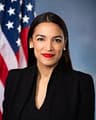 Alexandria Ocasio-Cortez
Democrat · New York
 Ilhan Omar
Democrat · Minnesota
 Mark Pocan
Democrat · Wisconsin
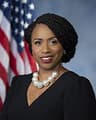 Ayanna Pressley
Democrat · Massachusetts
 Delia Ramirez
Democrat · Illinois
 Janice Schakowsky
Democrat · Illinois
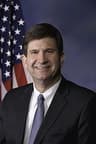 Bradley Schneider
Democrat · Illinois
 Lateefah Simon
Democrat · California
 Rashida Tlaib
Democrat · Michigan
 Nydia Velázquez
Democrat · New York
 Maxine Waters
Democrat · California