
A Democratic bill with 1 Republican cosponsor · See all 42 cosponsors
Last activity — Referred to the House Committee on the Judiciary.
In committee
Introduced and handed to a committee in the chamber it started in.
The committee holds it, and most bills are never heard from again. A hearing or a committee vote would be news; silence is the usual outcome, and it kills the bill without anyone voting against it.
Its path through Congress
- Introduced
- In Committee
What this bill would do
The bill creates a grant program through the Attorney General to establish and improve prison libraries in states and territories. These grants aim to advance reintegration, reduce recidivism, and boost educational opportunities for incarcerated individuals. Eligible applicants must submit a plan, prove they have or want a physical library, and show demographic data demonstrating a need for funding. Grant funds can be used for education, job training, hiring qualified librarians, and providing computers, internet, and digital literacy training. The bill explicitly prohibits using the funds for items like food, general facility maintenance, or transportation. Additionally, the legislation authorizes an appropriation of $10,000,000 for each fiscal year from 2026 through 2031.
Yes· 3 of 10
- Scored +5
Would people with disabilities be better off under this?
The bill provides access to audiobooks and specialized reading materials for the visually impaired and print disabled.
- Scored +4
Does this get reliable internet to more people?
The bill provides funding for computer and internet access within prison libraries.
- Scored +3
Would students be better off under this?
The bill facilitates access to post-secondary educational programming and resources.
The opposite
- Scored -1
Does this reduce what the federal government spends?
The bill authorizes $10,000,000 in annual federal spending through 2031.
Who it would affect, and how
Potential Positive Impacts for People
-
Under Section 2 and Section 4(1), (5), (6), (7), and (21), grants can be used for education, job training, literary and digital training, career readiness, and financial literacy. This could positively benefit incarcerated individuals by increasing their educational opportunities and helping them prepare for jobs after release.
-
Under Section 4(13) and Section 9(a), incarcerated individuals are granted computer and internet access and are protected from being charged fees for physical books, eBooks, audiobooks, computers, the internet, printing services, or educational and artistic supplies. This provision ensures that individuals inside correctional facilities can access modern library resources and learning materials without financial burdens.
-
Under Section 4(22), grant funds can support family literacy activities facilitated during in-person visits. This provides a positive outcome by helping incarcerated individuals maintain educational connections with their families.
Potential Negative Impacts for People
- The provided text does not contain any specific provisions outlining negative consequences, burdens, or negative impacts for individuals or groups of people in the United States.
Groups and Interests Ranking
Every group the model scored this bill for, from -10 to +10. Tap or hover a score for the reason it gave.
- Demographic And Interest Groups
- Would people with disabilities be better off under this? — The bill provides access to audiobooks and specialized reading materials for the visually impaired and print disabled. Would students be better off under this? — The bill facilitates access to post-secondary educational programming and resources. Would households on low incomes be better off under this? — The bill provides free access to educational resources, computer/internet access, and job training skills. Would people in their twenties and thirties be better off under this? — The focus on post-secondary education and job training benefits younger incarcerated individuals entering the workforce.
- Education And Technology
- Does this get reliable internet to more people? — The bill provides funding for computer and internet access within prison libraries. Does this make college cost less? — The bill prioritizes post-secondary education curriculum and makes library space available to post-secondary organizations.
- Social Issues And Justice
- Does this shorten or soften prison sentences? — The bill aims to reduce recidivism through enhanced educational and reintegration services. Is this likely to lift people out of poverty? — The bill provides job training, digital literacy, and financial literacy to assist with post-release employment.
- Economy And Finance
- Is this likely to create jobs? — The bill funds the hiring of qualified librarians and staff to manage prison libraries. Does this reduce what the federal government spends? — The bill authorizes $10,000,000 in annual federal spending through 2031.
- Governance And Ideology
- Does this make what the government does easier for the public to see? — The bill requires grantees to submit annual performance measures and expenditure reports to a reporting system.
- 10/22/2026
- 2 Cosponsors added.
- 7/20/2026
- 2 Cosponsors added.
- 7/13/2026
- 2 Cosponsors added.
- 6/24/2026
- 1 Cosponsor added.
- 6/23/2026
- 4 Cosponsors added.
- 6/4/2026
- 3 Cosponsors added.
- 6/3/2026
- 1 Cosponsor added.
- 5/12/2026
- 1 Cosponsor added.
- 4/20/2026
- 2 Cosponsors added.
- 3/24/2026
- 1 Cosponsor added.
- 3/17/2026
- 2 Cosponsors added.
- 1/27/2026
- Referred to the House Committee on the Judiciary.
- 21 Cosponsors added.
- Introduced in House
One bill Congress.gov lists as related to this one — companions in the other chamber, earlier versions, and bills this one absorbed or was folded into.
 Suzanne Bonamici
Democrat · Oregon
 Ami Bera
Democrat · California
 Don Bacon
Republican · Nebraska
 Nanette Barragán
Democrat · California
 Shontel Brown
Democrat · Ohio
 Wesley Bell
Democrat · Missouri
 Ed Case
Democrat · Hawaii
 Troy Carter
Democrat · Louisiana
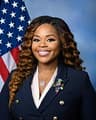 Sheila Cherfilus-McCormick
Democrat · Florida
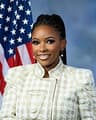 Jasmine Crockett
Democrat · Texas
 Suzan DelBene
Democrat · Washington
 Dwight Evans
Democrat · Pennsylvania
 Cleo Fields
Democrat · Louisiana
 Valerie Foushee
Democrat · North Carolina
 Jesús García
Democrat · Illinois
 Jahana Hayes
Democrat · Connecticut
 Henry Johnson
Democrat · Georgia
 Jonathan Jackson
Democrat · Illinois
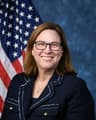 Julie Johnson
Democrat · Texas
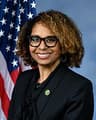 Sydney Kamlager-Dove
Democrat · California
 Rick Larsen
Democrat · Washington
 Summer Lee
Democrat · Pennsylvania
 James McGovern
Democrat · Massachusetts
 Gwen Moore
Democrat · Wisconsin
 Seth Moulton
Democrat · Massachusetts
 LaMonica McIver
Democrat · New Jersey
 Sarah McBride
Democrat · Delaware
 Eleanor Norton
Democrat · District of Columbia
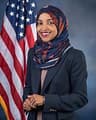 Ilhan Omar
Democrat · Minnesota
 Frank Pallone
Democrat · New Jersey
 Mark Pocan
Democrat · Wisconsin
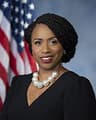 Ayanna Pressley
Democrat · Massachusetts
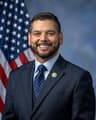 Raul Ruiz
Democrat · California
 Delia Ramirez
Democrat · Illinois
 Emily Randall
Democrat · Washington
 David Scott
Democrat · Georgia
 Terri Sewell
Democrat · Alabama
 Lateefah Simon
Democrat · California
 Bennie Thompson
Democrat · Mississippi
 Rashida Tlaib
Democrat · Michigan
 Shri Thanedar
Democrat · Michigan
 Frederica Wilson
Democrat · Florida