
Sheri Biggs (R-SC)
Protecting Motherhood Act
A Republican bill with 37 Republican cosponsors · See all 37 cosponsors
Last activity — Referred to the House Committee on Oversight and Government Reform.
In committee
Introduced and handed to a committee in the chamber it started in.
The committee holds it, and most bills are never heard from again. A hearing or a committee vote would be news; silence is the usual outcome, and it kills the bill without anyone voting against it.
Its path through Congress
- Introduced
- In Committee
What this bill would do
This bill, known as the "Protecting Motherhood Act," aims to prohibit federal agencies from using the term "birthing person" in any official documents. This includes regulations, guidance, forms, or communications. Instead, agencies are directed to use specific terms such as "female," "mother," "pregnant female," "pregnant woman," or "woman." The bill provides specific definitions for these required terms based on biological criteria. It is set to take effect 30 days after it is enacted.
Yes
- Scored +3
Would women be better off under this?
The bill requires agencies to use sex-specific terms like 'woman' and 'mother' when referring to those who are pregnant or giving birth.
- Scored +2
Does this make what the government does easier for the public to see?
The bill enforces standardized terminology for federal agencies to ensure consistency in how they refer to pregnant individuals.
The opposite
- Scored -5
Would LGBTQ people be better off under this?
The prohibition of the term 'birthing person' removes inclusive language used by many in the LGBTQ community.
- Scored -4
Does this narrow the gap between how men and women are treated?
The bill mandates biological sex-based terminology that restricts the use of more inclusive terms like 'birthing person'.
- Scored -3
Does this make abortion easier to get?
The bill's focus on biological sex-based definitions may impact the language used in reproductive health policies.
Who it would affect, and how
Potential Positive Impacts for People
-
Standardized Terminology: The bill mandates the use of specific terms like "mother," "pregnant woman," or "female" when referring to individuals who are pregnant or giving birth (Section 2(b)).
-
Clear Definitions: The act provides specific definitions for terms such as "female," "mother," "pregnant female," "pregnant woman," and "woman" to ensure consistency in how these individuals are identified (Section 2(c)).
Potential Negative Impacts for People
- Restrictions on Agency Language: Federal agencies are prohibited from using the term "birthing person" or any variation of that term in any official document, regulation, guidance, form, or communication (Section 2(a)).
Groups and Interests Ranking
Every group the model scored this bill for, from -10 to +10. Tap or hover a score for the reason it gave.
- Social Issues And Justice
- Does this narrow the gap between how men and women are treated? — The bill mandates biological sex-based terminology that restricts the use of more inclusive terms like 'birthing person'.
- Healthcare
- Does this make abortion easier to get? — The bill's focus on biological sex-based definitions may impact the language used in reproductive health policies.
- Demographic And Interest Groups
- Would women be better off under this? — The bill requires agencies to use sex-specific terms like 'woman' and 'mother' when referring to those who are pregnant or giving birth. Would LGBTQ people be better off under this? — The prohibition of the term 'birthing person' removes inclusive language used by many in the LGBTQ community.
- Governance And Ideology
- Does this make what the government does easier for the public to see? — The bill enforces standardized terminology for federal agencies to ensure consistency in how they refer to pregnant individuals.
- 6/18/2026
- 1 Cosponsor added.
- 4/22/2026
- 1 Cosponsor added.
- 4/21/2026
- 1 Cosponsor added.
- 3/18/2026
- 1 Cosponsor added.
- 3/17/2026
- 1 Cosponsor added.
- 2/23/2026
- 1 Cosponsor added.
- 2/13/2026
- 1 Cosponsor added.
- 2/12/2026
- 3 Cosponsors added.
- 2/10/2026
- 2 Cosponsors added.
- 2/9/2026
- 1 Cosponsor added.
- 2/4/2026
- 3 Cosponsors added.
- 2/3/2026
- 2 Cosponsors added.
- 2/2/2026
- 1 Cosponsor added.
- 1/30/2026
- 2 Cosponsors added.
- 1/23/2026
- Referred to the House Committee on Oversight and Government Reform.
- 16 Cosponsors added.
- Introduced in House
 Rick Allen
Republican · Georgia
 Stephanie Bice
Republican · Oklahoma
 Lauren Boebert
Republican · Colorado
 Tim Burchett
Republican · Tennessee
 Nicholas Begich
Republican · Alaska
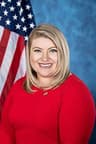 Kat Cammack
Republican · Florida
 Michael Cloud
Republican · Texas
 Elijah Crane
Republican · Arizona
 Warren Davidson
Republican · Ohio
 Neal Dunn
Republican · Florida
 Pat Fallon
Republican · Texas
 Russell Fry
Republican · South Carolina
 Paul Gosar
Republican · Arizona
 Michael Guest
Republican · Mississippi
 Brandon Gill
Republican · Texas
 Andy Harris
Republican · Maryland
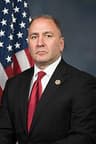 Clay Higgins
Republican · Louisiana
 Diana Harshbarger
Republican · Tennessee
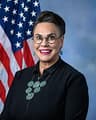 Harriet Hageman
Republican · Wyoming
 Julia Letlow
Republican · Louisiana
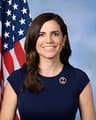 Nancy Mace
Republican · South Carolina
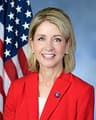 Mary Miller
Republican · Illinois
 Barry Moore
Republican · Alabama
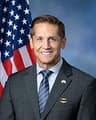 Richard McCormick
Republican · Georgia
 John McGuire
Republican · Virginia
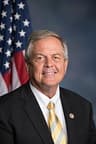 Ralph Norman
Republican · South Carolina
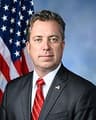 Andrew Ogles
Republican · Tennessee
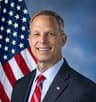 Scott Perry
Republican · Pennsylvania
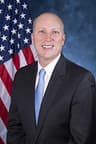 Chip Roy
Republican · Texas
 Michael Rulli
Republican · Ohio
 Pete Sessions
Republican · Texas
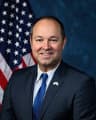 Marlin Stutzman
Republican · Indiana
 W. Steube
Republican · Florida
 Derek Schmidt
Republican · Kansas
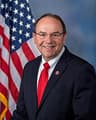 Thomas Tiffany
Republican · Wisconsin
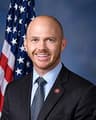 William Timmons
Republican · South Carolina
 Joe Wilson
Republican · South Carolina