
Mario Diaz-Balart (R-FL)
To establish new ZIP Codes for certain communities, and for other purposes.
A Republican bill with 5 Democratic cosponsors · See all 13 cosponsors
Last activity — Received in the Senate and Read twice and referred to the Committee on Homeland Security and Governmental Affairs.
In the other chamber's committee
Passed one chamber and has been handed to a committee in the other.
The committee decides whether it goes any further, and most bills that reach a committee never leave it. A committee that simply does nothing kills a bill without anyone ever voting against it, so no news from here is usually the news.
Its path through Congress
- Introduced
- Passed House voice vote
- In Senate committee
The House by voice vote (members called out yes or no together): no member's position on it was recorded.
What this bill would do
This bill requires the United States Postal Service to set up new ZIP codes for specific communities. The communities included are Eastvale, California; Scotland, Connecticut; Cooper City, Florida; Miami Lakes, Florida; Ocoee, Florida; Village of Estero, Florida; Urbandale, Iowa; and Mills, Wyoming. This action must happen within 270 days after the bill becomes law. It was passed by the House of Representatives and then sent to the Senate.
Yes· 3 of 25
- Scored +3
Would business owners be better off under this?
Local business owners benefit from having a unique ZIP code that accurately represents their community for commerce and logistics.
- Scored +2
Would children be better off under this?
Residents of all ages in the designated communities benefit from improved mail routing and local identity.
- Scored +2
Would people in their twenties and thirties be better off under this?
Young adults in the specified towns benefit from having distinct ZIP codes for postal and administrative clarity.
The opposite
No question was scored the opposite.
Who it would affect, and how
Potential Positive Impacts for People
- Section 1: This section requires the Postal Service to designate a single, unique ZIP code for specific communities like Eastvale, California, and Cooper City, Florida, which could benefit the people living in those areas by giving them their own distinct mail routing.
Potential Negative Impacts for People
- Based on the provided text, there are no specific sections or provisions identified that create negative consequences or burdens for individuals or groups of people in the United States.
Groups and Interests Ranking
Every group the model scored this bill for, from -10 to +10. Tap or hover a score for the reason it gave.
- Demographic And Interest Groups
- Would business owners be better off under this? — Local business owners benefit from having a unique ZIP code that accurately represents their community for commerce and logistics. Would children be better off under this? — Residents of all ages in the designated communities benefit from improved mail routing and local identity. Would high-income households be better off under this? — High-income households in the designated communities benefit from distinct postal designations. Would people in middle age be better off under this? — Middle-aged residents gain a distinct ZIP code which can help simplify local services and mail delivery. Would middle-income households be better off under this? — Middle-class households in the designated towns benefit from clearer community boundaries and mail delivery. Would retired people be better off under this? — Retirees in the designated communities benefit from streamlined mail delivery and localized postal identity. Would people in rural areas be better off under this? — Residents in suburban or rural-adjacent designated communities benefit from establishing unique ZIP codes tailored to their areas. Would people over 65 be better off under this? — Seniors in the specified communities benefit from more precise local mail routing and community identification. Would people in their twenties and thirties be better off under this? — Young adults in the specified towns benefit from having distinct ZIP codes for postal and administrative clarity. Would Black Americans be better off under this? — Residents within the designated communities, including African Americans, benefit from clearer local postal identification. Would Asian Americans be better off under this? — Residents within the designated communities, including Asian Americans, benefit from clearer local postal identification. Would farmers be better off under this? — Farmers in the affected areas may experience clearer geographical and mail routing boundaries. Would people with substantial wealth be better off under this? — High net worth individuals in the affected towns experience minor positive administrative updates. Would Hispanic Americans be better off under this? — Residents within the designated communities, including Hispanic Americans, benefit from clearer local postal identification. Would immigrants be better off under this? — Immigrants living in the specified communities benefit from accurate and distinct local ZIP code designations. Would LGBTQ people be better off under this? — LGBTQ individuals in the designated towns experience minor administrative improvements through unique ZIP codes. Would households on low incomes be better off under this? — Residents in low-income households within the affected areas may see marginal improvements in administrative and postal services. Would men be better off under this? — Men residing in the designated communities benefit from improved local postal and administrative organization. Would Native Americans be better off under this? — Residents within the designated communities, including Native Americans, benefit from clearer local postal identification. Would people with disabilities be better off under this? — People with disabilities in the affected areas benefit from clearer local administrative and postal services. Would students be better off under this? — Students living in the designated communities benefit from distinct local postal routing. Would the very wealthiest people be better off under this? — Ultra high net worth individuals in the specified areas experience minor administrative improvements. Would veterans be better off under this, taking everything together? — Veterans living in the designated communities benefit from more precise mail routing for correspondence and services. Would white Americans be better off under this? — Residents within the designated communities, including White Americans, benefit from clearer local postal identification. Would women be better off under this? — Women residing in the designated communities benefit from improved local postal and administrative organization.
- 7/22/2025
- Received in the Senate and Read twice and referred to the Committee on Homeland Security and Governmental Affairs.
- 7/21/2025
- Motion to reconsider laid on the table Agreed to without objection.
- Passed/agreed to in House: On motion to suspend the rules and pass the bill, as amended Agreed to by voice vote. (text: CR H3492)
- On motion to suspend the rules and pass the bill, as amended Agreed to by voice vote. (text: CR H3492)
- DEBATE - The House proceeded with forty minutes of debate on H.R. 672.
- Considered under suspension of the rules. (consideration: CR H3492-3493)
- Mr. Comer moved to suspend the rules and pass the bill, as amended.
- 7/14/2025
- 1 Cosponsor added.
- 5/21/2025
- Committee Consideration and Mark-up Session Held
- Ordered to be Reported by the Yeas and Nays: 42 - 1.
- 4/14/2025
- 1 Cosponsor added.
- 3/25/2025
- 1 Cosponsor added.
- 1/23/2025
- Referred to the House Committee on Oversight and Government Reform.
- 10 Cosponsors added.
- Introduced in House
One bill Congress.gov lists as related to this one — companions in the other chamber, earlier versions, and bills this one absorbed or was folded into.
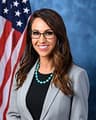 Lauren Boebert
Republican · Colorado
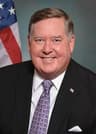 Ken Calvert
Republican · California
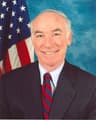 Joe Courtney
Democrat · Connecticut
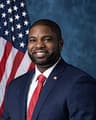 Byron Donalds
Republican · Florida
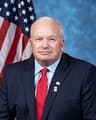 Scott Fitzgerald
Republican · Wisconsin
 Maxwell Frost
Democrat · Florida
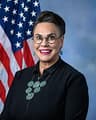 Harriet Hageman
Republican · Wyoming
 Zachary Nunn
Republican · Iowa
 Brittany Pettersen
Democrat · Colorado
 Bryan Steil
Republican · Wisconsin
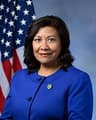 Norma Torres
Democrat · California
 Debbie Wasserman Schultz
Democrat · Florida
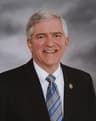 Daniel Webster
Republican · Florida