
A Republican bill with 4 Republican cosponsors · See all 4 cosponsors
Last activity — Referred to the Subcommittee on Highways and Transit.
In committee
Introduced and handed to a committee in the chamber it started in.
The committee holds it, and most bills are never heard from again. A hearing or a committee vote would be news; silence is the usual outcome, and it kills the bill without anyone voting against it.
Its path through Congress
- Introduced
- In Committee
What this bill would do
This bill, known as the "Responsible Opportunity for Under-21 Trucking Engagement Act" or the "ROUTE Act," seeks to amend title 49 of the United States Code. It aims to allow certain drivers under the age of 21 to operate commercial motor vehicles in interstate commerce under specific limitations. To qualify, drivers must be at least 18 years old and hold a commercial driver's license limited to intrastate operation. These drivers would be permitted to operate within a 150 air-mile radius of their normal work reporting location. The bill also establishes specific requirements regarding work hours and off-duty periods.
Yes· 3 of 4
- Scored +6
Would people in their twenties and thirties be better off under this?
The bill creates new employment pathways for individuals between the ages of 18 and 21.
- Scored +5
Is this likely to create jobs?
The bill expands job opportunities for drivers aged 18 to 21 by allowing them to engage in interstate commerce.
- Scored +3
Does this make it easier to run a small business?
Allowing younger drivers to participate in interstate commerce provides more flexible labor options for trucking companies.
The opposite
- Scored -2
Would union members be better off under this?
The expansion of the driver pool to include those under 21 could increase competition for existing driver jobs.
Who it would affect, and how
Potential Positive Impacts for People
-
Expanded opportunities for young drivers: The bill allows individuals between the ages of 18 and 21 who hold limited commercial driver's licenses to engage in interstate commerce, provided they stay within a 150 air-mile radius (Section 2(a)(1) and (b)).
-
Structured rest periods: The legislation mandates that eligible drivers have at least 10 consecutive hours off duty between on-duty periods, which provides a required rest interval (Section 2(a)(b)(2)).
Potential Negative Impacts for People
-
Time constraints on work shifts: Drivers are required to return to their normal work reporting location and be released from work no more than 14 consecutive hours after departing, which limits the length of a single work period (Section 2(a)(b)(1)).
-
Geographic limitations: The scope of work is restricted to a 150 air-mile radius of the driver's normal work reporting location, and that location must remain within the State where the driver holds their license (Section 2(a)(b)).
Groups and Interests Ranking
Every group the model scored this bill for, from -10 to +10. Tap or hover a score for the reason it gave.
- Economy And Finance
- Is this likely to create jobs? — The bill expands job opportunities for drivers aged 18 to 21 by allowing them to engage in interstate commerce. Does this make it easier to run a small business? — Allowing younger drivers to participate in interstate commerce provides more flexible labor options for trucking companies.
- Demographic And Interest Groups
- Would people in their twenties and thirties be better off under this? — The bill creates new employment pathways for individuals between the ages of 18 and 21. Would households on low incomes be better off under this? — By expanding job eligibility for young drivers, the bill may increase income opportunities for those entering the workforce. Would union members be better off under this? — The expansion of the driver pool to include those under 21 could increase competition for existing driver jobs.
- 4/29/2026
- 1 Cosponsor added.
- 2/23/2026
- 1 Cosponsor added.
- 2/10/2026
- 2 Cosponsors added.
- 2/2/2026
- Referred to the Subcommittee on Highways and Transit.
- 12/11/2025
- Referred to the House Committee on Transportation and Infrastructure.
- Introduced in House
 Tracey Mann
Republican · Kansas
 Barry Moore
Republican · Alabama
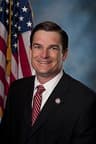 Austin Scott
Republican · Georgia
 Glenn Thompson
Republican · Pennsylvania