
A Republican bill with 55 Democratic cosponsors · See all 68 cosponsors
Last activity — Referred to the Committee on Energy and Commerce, and in addition to the Committee on Ways and Means, for a period to be subsequently determined by the Speaker, in each case for consideration of such provisions as fall within the jurisdiction of the committee concerned.
In committee
Introduced and handed to a committee in the chamber it started in.
The committee holds it, and most bills are never heard from again. A hearing or a committee vote would be news; silence is the usual outcome, and it kills the bill without anyone voting against it.
Its path through Congress
- Introduced
- In Committee
What this bill would do
The bill is known as the Help Ensure Lower Patient Copays Act or the HELP Copays Act. It changes the Public Health Service Act, the Patient Protection and Affordable Care Act, and the Internal Revenue Code of 1986. The legislation requires health plans to count financial assistance toward a patient's cost-sharing requirements. This includes help from prescription drug manufacturers and non-profit organizations. These changes apply to deductibles, coinsurance, copayments, and out-of-pocket limits. The new rules take effect for plan years starting on or after January 1, 2026.
Yes· 3 of 26
- Scored +8
Would households on low incomes be better off under this?
Significantly helps low-income individuals reach their out-of-pocket limits faster via external aid.
- Scored +8
Would people with disabilities be better off under this?
High positive impact for individuals with chronic disabilities requiring expensive specialty medications.
- Scored +7
Does this lower the price of prescription medicines?
Reduces out-of-pocket burdens for patients by allowing manufacturer and non-profit assistance to satisfy deductibles and copays.
The opposite
No question was scored the opposite.
Who it would affect, and how
Potential Positive Impacts for People
-
Section 2(a) requires health plans to count amounts paid by or for an individual, including financial assistance from non-profit organizations and prescription drug manufacturers, toward deductibles, coinsurance, copayments, and out-of-pocket limits. This is positive because it ensures that financial help given to patients actually lowers what they have to pay out of their own pockets.
-
Section 2(b)(1) updates the Patient Protection and Affordable Care Act to ensure that financial assistance offered by non-profit organizations and prescription drug manufacturers counts toward deductibles, co-insurance, co-payments, and similar charges. This helps patients by making sure their financial aid is fully applied to their required health care costs.
-
Section 2(b)(3) creates a safe harbor for high deductible health plans starting after December 31, 2025. This provision allows these plans to count financial assistance from non-profit organizations and drug manufacturers for outpatient prescription drugs toward the minimum deductible without losing their plan status, which benefits people relying on high deductible plans.
Potential Negative Impacts for People
- Based on the provided text, there are no specific sections or provisions identified that cause negative consequences or burdens for individuals or groups of people in the United States.
Groups and Interests Ranking
Every group the model scored this bill for, from -10 to +10. Tap or hover a score for the reason it gave.
- Demographic And Interest Groups
- Would households on low incomes be better off under this? — Significantly helps low-income individuals reach their out-of-pocket limits faster via external aid. Would people with disabilities be better off under this? — High positive impact for individuals with chronic disabilities requiring expensive specialty medications. Would middle-income households be better off under this? — Reduces the net cost of expensive specialty medications. Would Black Americans be better off under this? — Positive impact for individuals in this group who suffer from chronic illnesses requiring specialty drugs. Would Asian Americans be better off under this? — Positive impact for individuals in this group who suffer from chronic illnesses requiring specialty drugs. Would children be better off under this? — Beneficial for children requiring specialty drugs through increased affordability of cost-sharing. Would Hispanic Americans be better off under this? — Positive impact for individuals in this group who suffer from chronic illnesses requiring specialty drugs. Would LGBTQ people be better off under this? — Positive impact for individuals in this group requiring specialty drugs. Would men be better off under this? — Positive impact for men requiring specialty medications for chronic conditions. Would people in middle age be better off under this? — Reduces out-of-pocket healthcare costs for adults using specialty drugs. Would Native Americans be better off under this? — Positive impact for individuals in this group who suffer from chronic illnesses requiring specialty drugs. Would retired people be better off under this? — Beneficial for retirees with insurance plans that cover specialty drugs. Would people over 65 be better off under this? — Beneficial for seniors utilizing specialty medications and drug manufacturer assistance. Would students be better off under this? — Helps students with high-deductible plans manage medication costs. Would union members be better off under this? — Beneficial for those with union-provided health insurance using specialty drugs. Would veterans be better off under this, taking everything together? — Positive impact for veterans using private or mixed insurance for specialty drugs. Would white Americans be better off under this? — Positive impact for individuals in this group who suffer from chronic illnesses requiring specialty drugs. Would women be better off under this? — Positive impact for women requiring specialty medications for chronic conditions. Would people in their twenties and thirties be better off under this? — Beneficial for those on high-deductible plans who use specialty medications. Would high-income households be better off under this? — Provides some benefit, though impact is less critical than for lower-income groups.
- Healthcare
- Does this lower the price of prescription medicines? — Reduces out-of-pocket burdens for patients by allowing manufacturer and non-profit assistance to satisfy deductibles and copays. Does this make health care easier to get in general? — Increases access to specialty drugs by lowering the effective cost to the patient. Does this strengthen the Affordable Care Act? — Amends the PPACA to ensure financial assistance counts toward cost-sharing requirements.
- Economy And Finance
- Does this give people more protection from unfair business practices? — Increases the value of financial assistance for consumers by counting it toward insurance cost-sharing limits.
- Social Issues And Justice
- Is this likely to lift people out of poverty? — Helps low-income patients manage high costs of specialty drugs through better use of financial assistance.
- Governance And Ideology
- Does this give the federal government more power? — Sets new federal standards for how health insurance plans must calculate cost-sharing.
- 10/22/2026
- 1 Cosponsor added.
- 9/28/2026
- 2 Cosponsors added.
- 9/14/2026
- 1 Cosponsor added.
- 9/8/2026
- 2 Cosponsors added.
- 8/3/2026
- 1 Cosponsor added.
- 7/22/2026
- 1 Cosponsor added.
- 7/20/2026
- 1 Cosponsor added.
- 7/13/2026
- 1 Cosponsor added.
- 6/30/2026
- 1 Cosponsor added.
- 6/29/2026
- 1 Cosponsor added.
- 6/24/2026
- 1 Cosponsor added.
- 6/23/2026
- 1 Cosponsor added.
- 6/3/2026
- 1 Cosponsor added.
- 6/2/2026
- 1 Cosponsor added.
- 5/29/2026
- 1 Cosponsor added.
- 5/21/2026
- 2 Cosponsors added.
- 5/19/2026
- 1 Cosponsor added.
- 5/11/2026
- 3 Cosponsors added.
- 4/27/2026
- 1 Cosponsor added.
- 4/21/2026
- 1 Cosponsor added.
- 4/15/2026
- 1 Cosponsor added.
- 4/13/2026
- 1 Cosponsor added.
- 4/9/2026
- 1 Cosponsor added.
- 4/6/2026
- 2 Cosponsors added.
- 3/27/2026
- 1 Cosponsor added.
- 3/26/2026
- 1 Cosponsor added.
- 3/25/2026
- 1 Cosponsor added.
- 3/24/2026
- 4 Cosponsors added.
- 3/20/2026
- 1 Cosponsor added.
- 3/19/2026
- 2 Cosponsors added.
- 3/4/2026
- 1 Cosponsor added.
- 2/24/2026
- 1 Cosponsor added.
- 2/10/2026
- 1 Cosponsor added.
- 2/2/2026
- 1 Cosponsor added.
- 1/30/2026
- 2 Cosponsors added.
- 1/15/2026
- 1 Cosponsor added.
- 1/12/2026
- 1 Cosponsor added.
- 1/7/2026
- 5 Cosponsors added.
- 12/19/2025
- 2 Cosponsors added.
- 12/18/2025
- 1 Cosponsor added.
- 12/17/2025
- 3 Cosponsors added.
- 12/10/2025
- 2 Cosponsors added.
- 12/9/2025
- 2 Cosponsors added.
- 12/4/2025
- Referred to the Committee on Energy and Commerce, and in addition to the Committee on Ways and Means, for a period to be subsequently determined by the Speaker, in each case for consideration of such provisions as fall within the jurisdiction of the committee concerned.
- 5 Cosponsors added.
- Introduced in House
One bill Congress.gov lists as related to this one — companions in the other chamber, earlier versions, and bills this one absorbed or was folded into.
 Jake Auchincloss
Democrat · Massachusetts
 Alma Adams
Democrat · North Carolina
 Suzanne Bonamici
Democrat · Oregon
 Nanette Barragán
Democrat · California
 Becca Balint
Democrat · Vermont
 Tom Barrett
Republican · Michigan
 Janelle Bynum
Democrat · Oregon
 Ed Case
Democrat · Hawaii
 Steve Cohen
Democrat · Tennessee
 Joaquin Castro
Democrat · Texas
 Jason Crow
Democrat · Colorado
 Juan Ciscomani
Republican · Arizona
 Herbert Conaway
Democrat · New Jersey
 Christopher Deluzio
Democrat · Pennsylvania
 Suzan DelBene
Democrat · Washington
 Mark DeSaulnier
Democrat · California
 Sharice Davids
Democrat · Kansas
 Madeleine Dean
Democrat · Pennsylvania
 Bill Foster
Democrat · Illinois
 Brian Fitzpatrick
Republican · Pennsylvania
 Valerie Foushee
Democrat · North Carolina
 Randy Fine
Republican · Florida
 John Garamendi
Democrat · California
 Josh Gottheimer
Democrat · New Jersey
 Jesús García
Democrat · Illinois
 Sylvia Garcia
Democrat · Texas
 Daniel Goldman
Democrat · New York
 Jahana Hayes
Democrat · Connecticut
 Chrissy Houlahan
Democrat · Pennsylvania
 William Keating
Democrat · Massachusetts
 Jennifer Kiggans
Republican · Virginia
 Timothy Kennedy
Democrat · New York
 Stephen Lynch
Democrat · Massachusetts
 Ted Lieu
Democrat · California
 Mike Levin
Democrat · California
 Nick LaLota
Republican · New York
 Summer Lee
Democrat · Pennsylvania
 Betty McCollum
Democrat · Minnesota
 Doris Matsui
Democrat · California
 Seth Moulton
Democrat · Massachusetts
 Daniel Meuser
Republican · Pennsylvania
 Mariannette Miller-Meeks
Republican · Iowa
 Cory Mills
Republican · Florida
 Kelly Morrison
Democrat · Minnesota
 Eleanor Norton
Democrat · District of Columbia
 August Pfluger
Republican · Texas
 Chellie Pingree
Democrat · Maine
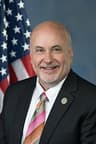 Mark Pocan
Democrat · Wisconsin
 Jimmy Panetta
Democrat · California
 Chris Pappas
Democrat · New Hampshire
 Mike Quigley
Democrat · Illinois
 Deborah Ross
Democrat · North Carolina
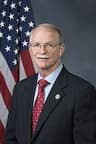 John Rutherford
Republican · Florida
 Josh Riley
Democrat · New York
 Maria Salazar
Republican · Florida
 Darren Soto
Democrat · Florida
 Thomas Suozzi
Democrat · New York
 Haley Stevens
Democrat · Michigan
 Kim Schrier
Democrat · Washington
 Eric Sorensen
Democrat · Illinois
 Suhas Subramanyam
Democrat · Virginia
 Lateefah Simon
Democrat · California
 Ritchie Torres
Democrat · New York
 Jill Tokuda
Democrat · Hawaii
 Shri Thanedar
Democrat · Michigan
 Gabe Vasquez
Democrat · New Mexico
 Joe Wilson
Republican · South Carolina
 Bonnie Watson Coleman
Democrat · New Jersey