
A Democratic bill with 11 Democratic cosponsors · See all 11 cosponsors
Last activity — Referred to the House Committee on Ways and Means.
In committee
Introduced and handed to a committee in the chamber it started in.
The committee holds it, and most bills are never heard from again. A hearing or a committee vote would be news; silence is the usual outcome, and it kills the bill without anyone voting against it.
Its path through Congress
- Introduced
- In Committee
What this bill would do
This bill creates a baby bonus program within the Social Security Administration to provide financial payments for qualifying children. Eligible parents who are U.S. citizens or qualified aliens residing in the country can apply for these payments. The initial payment amount is set at $2,000 for the year 2026, with adjustments for the cost of living in later years. The bill allows eligible parents to receive advanced payments up to 60 days before the expected due date if their application is approved. It also includes rules for handling custody disputes, protecting privacy, and recovering accidental overpayments.
Yes· 3 of 38
- Scored +8
Would children be better off under this?
Provides direct financial support for newborns and qualifying children beginning in 2026.
- Scored +8
Would people in their twenties and thirties be better off under this?
Young adults starting families are the primary demographic beneficiaries of the baby bonus payments.
- Scored +8
Would households on low incomes be better off under this?
Provides crucial financial assistance to low-income parents without reducing eligibility for other public benefits.
The opposite· 3 of 4
- Scored -4
Does this reduce what the federal government spends?
The legislation introduces a new federal entitlement and benefit payment program that increases federal expenditures.
- Scored -3
Does this reduce what the federal government owes?
Creating a new federal baby bonus payment program will increase government spending and contribute to the national debt.
- Scored -2
Does this make the government pay for what it commits to?
The creation of a major new benefit program expands federal fiscal commitments without offsetting revenue measures.
Who it would affect, and how
Potential Positive Impacts for People
-
Section 3(a)(3)(A) establishes a baby bonus payment of $2,000 for calendar year 2026, which provides direct financial assistance to parents for a qualifying child.
-
Section 3(b)(2) allows eligible parents with approved applications to receive advanced payments up to 60 days before the expected due date, helping families prepare financially before the child arrives.
-
Section 3(f) ensures that baby bonus payments are not counted as income or resources for federal, state, or local benefit programs, meaning families will not lose existing assistance because they receive this bonus.
-
Section 3(g) prohibits the information submitted in applications from being used for any purpose other than determining eligibility for the baby bonus, protecting the privacy of applicants.
Potential Negative Impacts for People
-
Section 3(e)(1) allows the Commissioner to recover overpayments made to individuals using adjustment methods similar to those under the Social Security Act, which could create a financial burden for families if they are forced to repay funds they already spent.
-
Section 3(e)(2) applies penalty provisions from the Social Security Act to baby bonus payments, meaning individuals who violate the rules face legal penalties and fines.
Groups and Interests Ranking
Every group the model scored this bill for, from -10 to +10. Tap or hover a score for the reason it gave.
- Demographic And Interest Groups
- Would children be better off under this? — Provides direct financial support for newborns and qualifying children beginning in 2026. Would households on low incomes be better off under this? — Provides crucial financial assistance to low-income parents without reducing eligibility for other public benefits. Would people in their twenties and thirties be better off under this? — Young adults starting families are the primary demographic beneficiaries of the baby bonus payments. Would middle-income households be better off under this? — Assists middle-class families with the upfront costs associated with childbirth and newborn preparation. Would women be better off under this? — Directly supports gestational parents and mothers with financial assistance and advance payment options prior to due dates. Would men be better off under this? — Fathers and co-parents share in the financial benefits and custody provisions established by the bill. Would immigrants be better off under this? — Includes qualified aliens residing in the United States alongside U.S. citizens as eligible recipients. Would Black Americans be better off under this? — Culturally tailored outreach helps ensure minority communities benefit equitably from the program. Would Hispanic Americans be better off under this? — Language-competent education and outreach programs help Hispanic families access the baby bonus effectively. Would LGBTQ people be better off under this? — Explicitly includes provisions for intended parents in surrogacy arrangements, benefiting LGBTQ couples building families. Would students be better off under this? — Student parents can receive critical financial assistance during pregnancy and childbirth. Would Asian Americans be better off under this? — Ensures eligible Asian American parents and citizens can readily access the child payments. Would high-income households be better off under this? — Available broadly to eligible parents regardless of high income, though the impact is relatively smaller. Would Native Americans be better off under this? — Extends financial support to eligible Native American parents residing in the United States. Would people in rural areas be better off under this? — Rural families benefit from the nationwide availability of the baby bonus program. Would union members be better off under this? — Union workers starting families will receive direct financial assistance from the program. Would people in cities be better off under this? — Urban families benefit from accessible outreach and direct financial support for newborns. Would veterans be better off under this, taking everything together? — Veteran parents who meet citizenship and residency requirements are fully eligible for the program. Would white Americans be better off under this? — Universal eligibility criteria include white American parents who meet citizenship and residency rules. Would farmers be better off under this? — Rural and farming families who have children will benefit from the direct cash payments. Would people in middle age be better off under this? — May benefit some older parents or adoptive parents in this demographic age bracket. Would people with disabilities be better off under this? — Provides financial support to families, including those that may involve individuals with disabilities.
- Social Issues And Justice
- Does this make child care cost less? — Provides direct cash payments of $2,000 per qualifying child to help families offset early childcare and newborn expenses. Is this likely to lift people out of poverty? — Provides low-income and middle-income families with direct financial assistance that is legally exempt from counting against other welfare benefits. Does this narrow the gap between how men and women are treated? — Provides direct financial recognition and support to gestational parents and mothers. Does this expand the rights of LGBTQ people? — The bill explicitly accommodates intended parents in surrogacy arrangements, which can benefit same-sex couples using surrogacy. Does this narrow racial gaps in how people are treated? — Culturally and linguistically competent outreach is mandated to ensure diverse populations utilize the program effectively. Does this strengthen Social Security? — Expands the administrative scope and responsibilities of the Social Security Administration via a new office. Is this likely to reduce homelessness? — Direct cash assistance may marginally help vulnerable families secure stable housing arrangements for newborns.
- Governance And Ideology
- Does this give the federal government more power? — Establishes a new federal office within the Social Security Administration to manage the baby bonus program. Does this make what the government does easier for the public to see? — Requires annual reports to Congress detailing demographic data, fund disbursement, and program effects. Does this protect people from being watched or searched? — Imposes strict statutory prohibitions against using application information for unrelated government or commercial purposes. Does this protect the right to fair treatment by the courts? — Includes structured notice requirements and dispute resolution mechanisms for custody and payment conflicts.
- Economy And Finance
- Is this likely to grow the economy? — Providing direct financial assistance to parents can stimulate consumer spending related to infant care and family needs. Does this give people more protection from unfair business practices? — The bill includes provisions to protect applicant privacy and regulate the administration of baby bonus payments. Is this likely to create jobs? — The bill establishes a new office within the Social Security Administration, which will require hiring personnel to manage the program. Does this reduce what the federal government spends? — The legislation introduces a new federal entitlement and benefit payment program that increases federal expenditures. Does this reduce what the federal government owes? — Creating a new federal baby bonus payment program will increase government spending and contribute to the national debt. Does this make the government pay for what it commits to? — The creation of a major new benefit program expands federal fiscal commitments without offsetting revenue measures. Is this likely to slow the rise in prices? — Injecting direct cash payments into the economy could marginally increase inflationary pressures.
- Education And Technology
- Does this give people more control over their personal data? — The bill strictly limits the use of applicant data solely to determining program eligibility, enhancing personal privacy.
- Healthcare
- Does this make health care easier to get in general? — The bill involves healthcare providers in verifying gestational age and prenatal care milestones.
- 1/12/2026
- 1 Cosponsor added.
- 11/28/2025
- 1 Cosponsor added.
- 11/21/2025
- 1 Cosponsor added.
- 11/20/2025
- Referred to the House Committee on Ways and Means.
- 8 Cosponsors added.
- Introduced in House
 Ro Khanna
Democrat · California
 Timothy Kennedy
Democrat · New York
 Summer Lee
Democrat · Pennsylvania
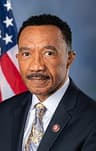 Kweisi Mfume
Democrat · Maryland
 LaMonica McIver
Democrat · New Jersey
 Eleanor Norton
Democrat · District of Columbia
 Ilhan Omar
Democrat · Minnesota
 Ayanna Pressley
Democrat · Massachusetts
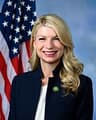 Brittany Pettersen
Democrat · Colorado
 Shri Thanedar
Democrat · Michigan
 Bonnie Watson Coleman
Democrat · New Jersey