
A Democratic bill with 76 Democratic cosponsors · See all 76 cosponsors
Last activity — Referred to the Committee on the Judiciary, and in addition to the Committee on Oversight and Government Reform, for a period to be subsequently determined by the Speaker, in each case for consideration of such provisions as fall within the jurisdiction of the committee concerned.
In committee
Introduced and handed to a committee in the chamber it started in.
The committee holds it, and most bills are never heard from again. A hearing or a committee vote would be news; silence is the usual outcome, and it kills the bill without anyone voting against it.
Its path through Congress
- Introduced
- In Committee
What this bill would do
The EXPERTS Act of 2025 aims to amend title 5 of the United States Code to increase transparency and disclosure regarding conflicts of interest in agency rulemaking. It requires interested persons to disclose funding sources and financial relationships when submitting scientific or technical studies to agencies. The bill also establishes the Office of the Public Advocate within the Office of Management and Budget to improve public participation and social equity. Additionally, it mandates that agencies disclose certain conflicts of interest and provides new requirements for disclosing changes in regulatory text. The Act also seeks to streamline the review process for significant regulatory actions and includes provisions for the reinstatement of certain disapproved rules.
Yes· 3 of 14
- Scored +7
Does this make what the government does easier for the public to see?
The bill significantly enhances transparency by requiring the disclosure of financial conflicts in research and making studies available to the public.
- Scored +4
Does this narrow racial gaps in how people are treated?
The bill establishes an Office of the Public Advocate to conduct social equity assessments and facilitate inclusion of historically excluded populations.
- Scored +4
Does this narrow the gap between how men and women are treated?
The bill's social equity mandate helps address disparities that may disproportionately affect specific protected classes.
The opposite
- Scored -2
Does this put more money into scientific research?
The bill imposes significant new disclosure requirements and potential civil penalties on those submitting research to agencies.
- Scored -1
Does this protect people from being watched or searched?
The bill requires the public disclosure of research and funding sources which may impact the privacy of researchers.
Who it would affect, and how
Potential Positive Impacts for People
-
Increased Transparency of Research: Individuals will benefit from requirements that force interested persons to disclose the amount of funds received, the entity providing those funds, and any financial relationships held by those conducting studies (Section 4).
-
Public Access to Information: The bill requires agencies to ensure that submitted studies or research are made available to the public on agency websites or public dockets (Section 5).
-
Improved Public Participation: The establishment of the Office of the Public Advocate is intended to assist individuals in participating in the rulemaking process and help agencies solicit more public involvement (Section 11).
-
Protection of Social Equity: The National Public Advocate is tasked with conducting research on social equity impacts and performing social equity assessments for proposed rules upon request (Section 11).
-
Clearer Communication of Rules: The bill mandates that agencies ensure information about rulemaking and changes to rules is written in clear, accessible language and provided in multiple languages (Section 11).
-
Accountability for Rule Withdrawals: If an agency decides to withdraw a regulatory action, it must now publish a statement in the Federal Register and on its website explaining the reasons for the decision (Section 7).
Potential Negative Impacts for People
-
Financial Penalties for Companies: Public companies that submit false or misleading information to agencies face significant civil penalties, starting at $250,000 for a first violation and reaching $1,000,000 for subsequent violations (Section 10).
-
Risk of Submission Exclusion: Agencies are granted the authority to exclude or disregard submissions from consideration if there is a violation of disclosure requirements (Section 5 and Section 10).
-
Strict Timeframes for Review: The bill imposes a 60-day limit on the review of significant regulatory actions by the Office, which may limit the time available for thorough review (Section 9).
Groups and Interests Ranking
Every group the model scored this bill for, from -10 to +10. Tap or hover a score for the reason it gave.
- Demographic And Interest Groups
- Would Black Americans be better off under this? — The social equity mandates are designed to address disproportionate impacts on protected classes. Would Hispanic Americans be better off under this? — The bill's provisions for accessibility include translating information into multiple languages to aid participation. Would households on low incomes be better off under this? — The social equity assessments and focus on distributional effects aim to protect disadvantaged populations in the regulatory process. Would women be better off under this? — The focus on social equity helps ensure that the impacts on specific demographic groups are considered by agencies. Would middle-income households be better off under this? — Increased transparency in the rulemaking process can lead to more informed public participation. Would union members be better off under this? — The increased transparency of research may reduce the influence of undisclosed corporate interests on regulations. Would people in cities be better off under this? — Enhanced public participation processes may better reflect the needs of urban populations.
- Social Issues And Justice
- Does this narrow the gap between how men and women are treated? — The bill's social equity mandate helps address disparities that may disproportionately affect specific protected classes. Does this narrow racial gaps in how people are treated? — The bill establishes an Office of the Public Advocate to conduct social equity assessments and facilitate inclusion of historically excluded populations. Is this likely to lift people out of poverty? — The requirement for agencies to consider social equity and distributional effects may help protect low-income populations from adverse regulatory impacts.
- Governance And Ideology
- Does this make what the government does easier for the public to see? — The bill significantly enhances transparency by requiring the disclosure of financial conflicts in research and making studies available to the public. Does this give the federal government more power? — The bill increases oversight and transparency requirements for executive agencies during the rulemaking process. Does this protect people from being watched or searched? — The bill requires the public disclosure of research and funding sources which may impact the privacy of researchers.
- Economy And Finance
- Does this give people more protection from unfair business practices? — The bill enhances consumer protection by requiring the disclosure of financial conflicts of interest in studies used for rulemaking. Is this likely to grow the economy? — The bill increases transparency in the regulatory process which may provide more stability for economic planning.
- Education And Technology
- Does this put more money into scientific research? — The bill imposes significant new disclosure requirements and potential civil penalties on those submitting research to agencies.
- 7/23/2026
- 1 Cosponsor added.
- 7/14/2026
- 1 Cosponsor added.
- 6/3/2026
- 1 Cosponsor added.
- 4/14/2026
- 3 Cosponsors added.
- 2/20/2026
- 1 Cosponsor added.
- 11/19/2025
- Referred to the Committee on the Judiciary, and in addition to the Committee on Oversight and Government Reform, for a period to be subsequently determined by the Speaker, in each case for consideration of such provisions as fall within the jurisdiction of the committee concerned.
- 69 Cosponsors added.
- Introduced in House
One bill Congress.gov lists as related to this one — companions in the other chamber, earlier versions, and bills this one absorbed or was folded into.
 Alma Adams
Democrat · North Carolina
 Gabe Amo
Democrat · Rhode Island
 Yassamin Ansari
Democrat · Arizona
 Suzanne Bonamici
Democrat · Oregon
 Joyce Beatty
Democrat · Ohio
 Julia Brownley
Democrat · California
 Brendan Boyle
Democrat · Pennsylvania
 Becca Balint
Democrat · Vermont
 Yvette Clarke
Democrat · New York
 Steve Cohen
Democrat · Tennessee
 André Carson
Democrat · Indiana
 Judy Chu
Democrat · California
 J. Correa
Democrat · California
 Greg Casar
Democrat · Texas
 Diana DeGette
Democrat · Colorado
 Rosa DeLauro
Democrat · Connecticut
 Christopher Deluzio
Democrat · Pennsylvania
 Suzan DelBene
Democrat · Washington
 Mark DeSaulnier
Democrat · California
 Debbie Dingell
Democrat · Michigan
 Madeleine Dean
Democrat · Pennsylvania
 Maxine Dexter
Democrat · Oregon
 Dwight Evans
Democrat · Pennsylvania
 Adriano Espaillat
Democrat · New York
 Maxwell Frost
Democrat · Florida
 Valerie Foushee
Democrat · North Carolina
 Jesús García
Democrat · Illinois
 Sylvia Garcia
Democrat · Texas
 Robert Garcia
Democrat · California
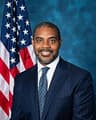 Steven Horsford
Democrat · Nevada
 Jared Huffman
Democrat · California
 Jahana Hayes
Democrat · Connecticut
 Henry Johnson
Democrat · Georgia
 Jonathan Jackson
Democrat · Illinois
 Robin Kelly
Democrat · Illinois
 Ro Khanna
Democrat · California
 Raja Krishnamoorthi
Democrat · Illinois
 Teresa Leger Fernandez
Democrat · New Mexico
 Stephen Lynch
Democrat · Massachusetts
 Ted Lieu
Democrat · California
 Mike Levin
Democrat · California
 Summer Lee
Democrat · Pennsylvania
 James McGovern
Democrat · Massachusetts
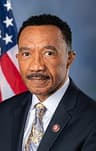 Kweisi Mfume
Democrat · Maryland
 Betty McCollum
Democrat · Minnesota
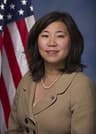 Grace Meng
Democrat · New York
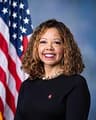 Lucy McBath
Democrat · Georgia
 Seth Magaziner
Democrat · Rhode Island
 Jennifer McClellan
Democrat · Virginia
 LaMonica McIver
Democrat · New Jersey
 April McClain Delaney
Democrat · Maryland
 Jerrold Nadler
Democrat · New York
 Eleanor Norton
Democrat · District of Columbia
 Ilhan Omar
Democrat · Minnesota
 Chellie Pingree
Democrat · Maine
 Mark Pocan
Democrat · Wisconsin
 Mike Quigley
Democrat · Illinois
 Delia Ramirez
Democrat · Illinois
 Brad Sherman
Democrat · California
 Adam Smith
Democrat · Washington
 Janice Schakowsky
Democrat · Illinois
 Linda Sánchez
Democrat · California
 Mary Gay Scanlon
Democrat · Pennsylvania
 Melanie Stansbury
Democrat · New Mexico
 Andrea Salinas
Democrat · Oregon
 Lateefah Simon
Democrat · California
 Dina Titus
Democrat · Nevada
 Paul Tonko
Democrat · New York
 Rashida Tlaib
Democrat · Michigan
 Jill Tokuda
Democrat · Hawaii
 Shri Thanedar
Democrat · Michigan
 Lauren Underwood
Democrat · Illinois
 Nydia Velázquez
Democrat · New York
 Juan Vargas
Democrat · California
 Nikema Williams
Democrat · Georgia
 Bonnie Watson Coleman
Democrat · New Jersey