
A Democratic bill with 22 Democratic cosponsors · See all 22 cosponsors
Last activity — Referred to the Subcommittee on Water Resources and Environment.
In committee
Introduced and handed to a committee in the chamber it started in.
The committee holds it, and most bills are never heard from again. A hearing or a committee vote would be news; silence is the usual outcome, and it kills the bill without anyone voting against it.
Its path through Congress
- Introduced
- In Committee
What this bill would do
This bill is known as the FRESHER Act of 2025. It changes how certain industrial activities are handled under the Federal Water Pollution Control Act. Specifically, it removes a limitation on permit requirements regarding stormwater runoff from oil, gas, and mining operations. It also requires the Secretary of the Interior to study stormwater impacts related to oil or gas operations. Finally, the bill directs the Secretary to submit a report on these study results to Congress within one year of enactment.
Yes· 3 of 9
- Scored +5
Would people in rural areas be better off under this?
Provides critical analysis of groundwater contamination in areas likely to be impacted by oil and gas runoff.
- Scored +4
Would farmers be better off under this?
Protects the aquifers and groundwater essential for agricultural operations.
- Scored +4
Does this better protect air, water and wildlife?
Directs a study on groundwater and aquifer contamination from oil and gas stormwater runoff.
The opposite
- Scored -2
Would business owners be better off under this?
Potential for increased scrutiny and regulation of oil and gas operations.
Who it would affect, and how
Potential Positive Impacts for People
-
Section 2(c) requires the Secretary of the Interior to study stormwater impacts in areas that may be contaminated by stormwater runoff from oil or gas operations. This is a positive step because it includes analyzing measurable contamination, ground water resources, and the susceptibility of aquifers to contamination, which helps us understand environmental risks.
-
Section 2(c)(2) requires the Secretary to submit a report on the study's results to Congress within one year. This creates accountability by ensuring that our elected officials receive direct information about these environmental impacts.
Potential Negative Impacts for People
- The provided text does not explicitly mention any specific negative consequences or burdens for individuals or groups of people in the United States.
Groups and Interests Ranking
Every group the model scored this bill for, from -10 to +10. Tap or hover a score for the reason it gave.
- Demographic And Interest Groups
- Would people in rural areas be better off under this? — Provides critical analysis of groundwater contamination in areas likely to be impacted by oil and gas runoff. Would farmers be better off under this? — Protects the aquifers and groundwater essential for agricultural operations. Would Native Americans be better off under this? — Protection of groundwater resources often benefits tribal lands impacted by energy operations. Would business owners be better off under this? — Potential for increased scrutiny and regulation of oil and gas operations.
- Environment Energy And Infrastructure
- Does this better protect air, water and wildlife? — Directs a study on groundwater and aquifer contamination from oil and gas stormwater runoff. Does this better protect public land such as parks and forests? — Requires the Secretary of the Interior to assess contamination in areas affected by oil and gas operations. Does this invest in rural communities? — Focuses on aquifer and groundwater protection which often affects rural areas.
- Governance And Ideology
- Does this make what the government does easier for the public to see? — Requires a report on groundwater contamination to be submitted to Congress. Does this give the federal government more power? — Increases federal oversight via a mandated Interior Department study.
- Education And Technology
- Does this put more money into scientific research? — Mandates an environmental study on groundwater and aquifer susceptibility.
- 9/24/2026
- 1 Cosponsor added.
- 12/17/2025
- 1 Cosponsor added.
- 11/29/2025
- Referred to the Subcommittee on Water Resources and Environment.
- 11/18/2025
- Referred to the House Committee on Transportation and Infrastructure.
- 20 Cosponsors added.
- Introduced in House
 Donald Beyer
Democrat · Virginia
 Kathy Castor
Democrat · Florida
 Yvette Clarke
Democrat · New York
 Steve Cohen
Democrat · Tennessee
 André Carson
Democrat · Indiana
 Sean Casten
Democrat · Illinois
 Diana DeGette
Democrat · Colorado
 Mark DeSaulnier
Democrat · California
 Adelita Grijalva
Democrat · Arizona
 Jahana Hayes
Democrat · Connecticut
 Pramila Jayapal
Democrat · Washington
 James McGovern
Democrat · Massachusetts
 Joseph Morelle
Democrat · New York
 Eleanor Norton
Democrat · District of Columbia
 Mark Pocan
Democrat · Wisconsin
 Brad Sherman
Democrat · California
 Adam Smith
Democrat · Washington
 Janice Schakowsky
Democrat · Illinois
 Lateefah Simon
Democrat · California
 Rashida Tlaib
Democrat · Michigan
 Shri Thanedar
Democrat · Michigan
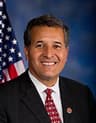 Juan Vargas
Democrat · California