
A Democratic bill with 24 Democratic cosponsors · See all 24 cosponsors
Last activity — Referred to the House Committee on Energy and Commerce.
In committee
Introduced and handed to a committee in the chamber it started in.
The committee holds it, and most bills are never heard from again. A hearing or a committee vote would be news; silence is the usual outcome, and it kills the bill without anyone voting against it.
Its path through Congress
- Introduced
- In Committee
What this bill would do
This bill is known as the CLEANER Act of 2025. It requires the Administrator to determine whether drilling fluids, produced waters, and other wastes from oil, natural gas, or geothermal energy meet the criteria for hazardous waste. Any of these wastes that meet the criteria must be identified or listed as hazardous waste within one year. The Administrator must also promulgate regulations for these hazardous wastes while protecting human health and the environment. Additionally, the bill requires the Administrator to revise criteria for facilities that receive these wastes if they are not listed as hazardous waste. These facility revisions must include ground water monitoring, location criteria, corrective action, and financial assurance.
Yes· 3 of 8
- Scored +8
Does this better protect air, water and wildlife?
The bill requires the Administrator to regulate drilling fluids and produced waters as hazardous waste and mandates groundwater monitoring to detect contamination.
- Scored +5
Would Native Americans be better off under this?
The emphasis on groundwater monitoring and waste regulation provides higher levels of environmental protection for land and water resources.
- Scored +5
Does this give the federal government more power?
The bill expands the EPA Administrator's authority to identify, list, and regulate energy-related wastes under the Solid Waste Disposal Act.
The opposite
- Scored -1
Does this reduce how much oil, gas and coal is produced?
The increased regulatory burden on waste management for oil and gas may slightly increase the costs of fossil fuel production.
Who it would affect, and how
Potential Positive Impacts for People
-
Section 2(a) requires the Administrator to identify or list as hazardous waste any drilling fluids, produced waters, and other energy exploration or production wastes that meet hazardous waste criteria, and to issue regulations for them. This might be considered positive because it ensures that dangerous wastes are properly regulated to protect human health and the environment.
-
Section 2(b) requires the Administrator to revise facility criteria for energy wastes that are not listed as hazardous, which at a minimum must require ground water monitoring, location criteria, corrective action, and financial assurance. This could be viewed as beneficial because it helps detect contamination and ensures facilities managing these wastes are held to standards that protect human health and the environment.
Potential Negative Impacts for People
- As an expert legislative analyst looking strictly at the text, the provided bill text does not explicitly identify or state any potential negative consequences, burdens, or negative impacts for individuals or groups of people in the United States.
Groups and Interests Ranking
Every group the model scored this bill for, from -10 to +10. Tap or hover a score for the reason it gave.
- Demographic And Interest Groups
- Would Native Americans be better off under this? — The emphasis on groundwater monitoring and waste regulation provides higher levels of environmental protection for land and water resources. Would people in rural areas be better off under this? — Mandatory groundwater monitoring and stricter waste criteria help protect the water quality of rural areas used for agriculture and drinking. Would Black Americans be better off under this? — The environmental protections for groundwater and waste management can help mitigate disproportionate pollution impacts on minority communities. Would Hispanic Americans be better off under this? — The bill provides environmental safeguards that can protect the health of Hispanic communities living near energy production areas. Would households on low incomes be better off under this? — Environmental protections against water contamination can benefit low-income communities often located near industrial or extraction sites.
- Environment Energy And Infrastructure
- Does this better protect air, water and wildlife? — The bill requires the Administrator to regulate drilling fluids and produced waters as hazardous waste and mandates groundwater monitoring to detect contamination. Does this reduce how much oil, gas and coal is produced? — The increased regulatory burden on waste management for oil and gas may slightly increase the costs of fossil fuel production.
- Governance And Ideology
- Does this give the federal government more power? — The bill expands the EPA Administrator's authority to identify, list, and regulate energy-related wastes under the Solid Waste Disposal Act.
- Social Issues And Justice
- Is this likely to lift people out of poverty? — By regulating hazardous energy wastes, the bill aims to protect human health and the environment which can mitigate long-term environmental health costs.
- 9/24/2026
- 1 Cosponsor added.
- 1/30/2026
- 1 Cosponsor added.
- 11/18/2025
- Referred to the House Committee on Energy and Commerce.
- 22 Cosponsors added.
- Introduced in House
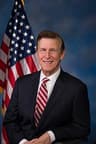 Donald Beyer
Democrat · Virginia
 Yvette Clarke
Democrat · New York
 Steve Cohen
Democrat · Tennessee
 André Carson
Democrat · Indiana
 Sean Casten
Democrat · Illinois
 Diana DeGette
Democrat · Colorado
 Mark DeSaulnier
Democrat · California
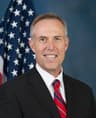 Jared Huffman
Democrat · California
 Jahana Hayes
Democrat · Connecticut
 Pramila Jayapal
Democrat · Washington
 Ro Khanna
Democrat · California
 Summer Lee
Democrat · Pennsylvania
 James McGovern
Democrat · Massachusetts
 Grace Meng
Democrat · New York
 Joseph Morelle
Democrat · New York
 Eleanor Norton
Democrat · District of Columbia
 Mark Pocan
Democrat · Wisconsin
 Brad Sherman
Democrat · California
 Adam Smith
Democrat · Washington
 Janice Schakowsky
Democrat · Illinois
 Lateefah Simon
Democrat · California
 Rashida Tlaib
Democrat · Michigan
 Shri Thanedar
Democrat · Michigan
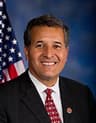 Juan Vargas
Democrat · California