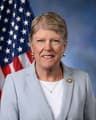
Julia Brownley (D-CA)
Helping Homeless Veterans Act of 2025
A Democratic bill with 2 Democratic cosponsors · See all 2 cosponsors
Last activity — Referred to the Subcommittee on Economic Opportunity.
In committee
Introduced and handed to a committee in the chamber it started in.
The committee holds it, and most bills are never heard from again. A hearing or a committee vote would be news; silence is the usual outcome, and it kills the bill without anyone voting against it.
Its path through Congress
- Introduced
- In Committee
What this bill would do
This bill is called the Helping Homeless Veterans Act of 2025. It was introduced in the House of Representatives on November 10, 2025. The main goal of the bill is to make certain programs that assist homeless veterans and veterans with special needs permanent. It removes expiration dates and temporary limits from several existing veteran assistance programs. Additionally, the bill provides specific funding for supportive services for very low-income veteran families in permanent housing.
Yes· 3 of 27
- Scored +10
Would veterans be better off under this, taking everything together?
Specifically designed to provide permanent housing and health services for homeless veterans.
- Scored +10
Is this likely to reduce homelessness?
Directly targets the elimination of veteran homelessness through permanent housing and treatment programs.
- Scored +10
Does this increase the pay, pensions or support veterans receive?
Permanently extends critical housing and health benefits for homeless veterans.
The opposite· 3 of 4
- Scored -3
Does this reduce what the federal government spends?
The bill makes several temporary funding programs permanent, increasing overall government expenditure.
- Scored -2
Does this reduce what is spent on the military?
Increases ongoing spending for veteran services.
- Scored -2
Does this reduce what the federal government owes?
The bill commits $420 million annually after 2026, increasing long-term federal spending.
Who it would affect, and how
Potential Positive Impacts for People
-
Permanent Mental Health and Homelessness Treatment: Section 2(a) removes a subsection from section 2031 of title 38, United States Code, which helps make treatment programs for seriously mentally ill and homeless veterans permanent. This is positive because it ensures continued care for vulnerable veterans without the worry of the program expiring.
-
Permanent Housing Assistance: Section 2(b) strikes a subsection from section 2041 of title 38, United States Code, making housing assistance for homeless veterans permanent. This gives homeless veterans reliable, ongoing access to housing help.
-
Consistent Funding for Veteran Families: Section 2(c) adds a provision to section 2044(e)(1) of title 38, United States Code, providing $420,000,000 for each fiscal year after fiscal year 2026 for supportive services for very low-income veteran families in permanent housing. This is a positive step because it guarantees steady financial support to keep veteran families in their homes.
-
Permanent Special Needs Grants: Section 2(d) updates section 2061(d)(1) of title 38, United States Code, by changing the funding timeline for the grant program for homeless veterans with special needs from specific past fiscal years to each fiscal year. This ensures these specialized grants will not run out of authorization.
-
Permanent Advisory Committee: Section 2(e) removes a subsection from section 2066 of title 38, United States Code, making the Advisory Committee on Homeless Veterans permanent. This keeps our elected officials and leaders accountable by maintaining an ongoing committee to focus on homeless veteran issues.
Potential Negative Impacts for People
- The provided text does not contain any specific sections or provisions that outline negative consequences, burdens, or negative impacts for individuals or groups of people in the United States.
Groups and Interests Ranking
Every group the model scored this bill for, from -10 to +10. Tap or hover a score for the reason it gave.
- Demographic And Interest Groups
- Would veterans be better off under this, taking everything together? — Specifically designed to provide permanent housing and health services for homeless veterans. Would households on low incomes be better off under this? — Directly provides housing and supportive services for very low-income veteran families. Would people with disabilities be better off under this? — Permanently funds treatment for veterans with serious mental illnesses and special needs. Would people in middle age be better off under this? — Provides support for middle-aged veterans facing homelessness. Would people over 65 be better off under this? — Provides permanent support for senior veterans with special needs. Would people in their twenties and thirties be better off under this? — Provides housing and mental health support for veterans who may be in their early adulthood. Would retired people be better off under this? — Supports retired veterans who are homeless or low-income. Would people in rural areas be better off under this? — Permanence of grants may assist rural veteran service providers. Would people in cities be better off under this? — Homelessness services are often concentrated in urban centers. Would Black Americans be better off under this? — Positive impact for any African American veteran experiencing homelessness. Would Asian Americans be better off under this? — Positive impact for any Asian American veteran experiencing homelessness. Would children be better off under this? — Supports very low-income veteran families, which may include children. Would Hispanic Americans be better off under this? — Positive impact for any Hispanic American veteran experiencing homelessness. Would LGBTQ people be better off under this? — Supports LGBTQ veterans facing homelessness. Would men be better off under this? — Supports male veterans who are homeless or have special needs. Would Native Americans be better off under this? — Positive impact for any Native American veteran experiencing homelessness. Would white Americans be better off under this? — Positive impact for any White American veteran experiencing homelessness. Would women be better off under this? — Supports female veterans who are homeless or have special needs.
- Social Issues And Justice
- Is this likely to reduce homelessness? — Directly targets the elimination of veteran homelessness through permanent housing and treatment programs. Does this make housing cost less? — Makes housing assistance for homeless veterans and funding for low-income veteran families permanent. Is this likely to lift people out of poverty? — Provides sustained financial assistance and housing for very low-income veteran families. Does this expand the rights of people with disabilities? — Provides permanent assistance for veterans with special needs and serious mental illness.
- Healthcare
- Does this help veterans get medical care? — Provides permanent support and treatment for veterans with special needs. Does this make mental health care easier to get? — Makes treatment for seriously mentally ill and homeless veterans permanent. Does this make health care easier to get in general? — Increases long-term access to mental health and supportive services for a specific vulnerable population.
- National Security And Foreign Policy
- Does this increase the pay, pensions or support veterans receive? — Permanently extends critical housing and health benefits for homeless veterans. Does this reduce what is spent on the military? — Increases ongoing spending for veteran services.
- Economy And Finance
- Does this reduce what the federal government spends? — The bill makes several temporary funding programs permanent, increasing overall government expenditure. Does this make the government pay for what it commits to? — Converting temporary grants to permanent appropriations generally reduces fiscal flexibility. Does this reduce what the federal government owes? — The bill commits $420 million annually after 2026, increasing long-term federal spending.
- Governance And Ideology
- Does this give the federal government more power? — Expands the scope of permanent federal obligations to veterans.
- 9/21/2026
- 1 Cosponsor added.
- 11/17/2025
- Referred to the Subcommittee on Economic Opportunity.
- 11/10/2025
- Referred to the House Committee on Veterans' Affairs.
- 1 Cosponsor added.
- Introduced in House
 Jahana Hayes
Democrat · Connecticut
 Rashida Tlaib
Democrat · Michigan