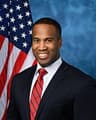
John James (R-MI)
Keep America Flying Act of 2026
A Republican bill with 1 Republican cosponsor · See the cosponsor
Last activity — Referred to the House Committee on Appropriations.
In committee
Introduced and handed to a committee in the chamber it started in.
The committee holds it, and most bills are never heard from again. A hearing or a committee vote would be news; silence is the usual outcome, and it kills the bill without anyone voting against it.
Its path through Congress
- Introduced
- In Committee
What this bill would do
This bill is known as the Keep America Flying Act of 2026. It provides continuing appropriations during a federal government shutdown for fiscal year 2026. The funding covers essential pay, benefits, and regular payments for Federal Aviation Administration air traffic controllers and essential operational personnel. It also covers Transportation Security Administration employees who do screening operations, aviation security duties, or related mission-support functions. Additionally, the bill provides payments for certain contractors supporting these personnel. These funds remain available until regular appropriations are enacted or until September 30, 2026.
Yes· 3 of 4
- Scored +5
Would middle-income households be better off under this?
Provides financial security and continuous pay to federal workers and contractors who might otherwise face severe financial hardship during a government shutdown.
- Scored +5
Would union members be better off under this?
Directly benefits air traffic controllers and TSA personnel by ensuring they continue to receive pay and benefits during a federal shutdown.
- Scored +3
Does this make it easier to do business across state lines?
Ensures the continued safe and orderly operation of the national airspace system during federal funding lapses.
The opposite
No question was scored the opposite.
Who it would affect, and how
Potential Positive Impacts for People
-
Section 2(a)(1) provides necessary sums for standard pay, benefits, and regular payments to air traffic controllers and other essential Federal Aviation Administration operational personnel during a government shutdown, which helps ensure the safe and orderly operation of the national airspace system.
-
Section 2(a)(2) provides necessary sums for standard pay, benefits, and regular payments to Transportation Security Administration employees who handle screening operations and aviation security duties during a government shutdown.
-
Section 2(a)(3) and Section 2(a)(4) provide necessary payments to contractors of the Federal Aviation Administration and the Transportation Security Administration who support these essential aviation and security personnel.
Potential Negative Impacts for People
- The provided text does not mention any specific negative impacts or burdens for individuals or groups of people in the United States.
Groups and Interests Ranking
Every group the model scored this bill for, from -10 to +10. Tap or hover a score for the reason it gave.
- Demographic And Interest Groups
- Would middle-income households be better off under this? — Provides financial security and continuous pay to federal workers and contractors who might otherwise face severe financial hardship during a government shutdown. Would union members be better off under this? — Directly benefits air traffic controllers and TSA personnel by ensuring they continue to receive pay and benefits during a federal shutdown.
- Governance And Ideology
- Does this make it easier to do business across state lines? — Ensures the continued safe and orderly operation of the national airspace system during federal funding lapses.
- Economy And Finance
- Is this likely to grow the economy? — By ensuring continuous pay for aviation and security personnel during a shutdown, the bill helps maintain stability in air travel and related economic activities.
- 10/31/2025
- 1 Cosponsor added.
- 10/28/2025
- Referred to the House Committee on Appropriations.
- Introduced in House
One bill Congress.gov lists as related to this one — companions in the other chamber, earlier versions, and bills this one absorbed or was folded into.
 Ryan Mackenzie
Republican · Pennsylvania