
A Republican bill with 28 Republican cosponsors · See all 28 cosponsors
Last activity — Referred to the House Committee on the Judiciary.
In committee
Introduced and handed to a committee in the chamber it started in.
The committee holds it, and most bills are never heard from again. A hearing or a committee vote would be news; silence is the usual outcome, and it kills the bill without anyone voting against it.
Its path through Congress
- Introduced
- In Committee
What this bill would do
This bill, titled the "Preserving a Sharia-Free America Act," seeks to amend the Immigration and Nationality Act. It directs federal officials to deny immigration benefits, visas, or admission to any alien who adheres to Sharia law. Additionally, it mandates the removal of any alien in the United States found to be an adherent of Sharia law. The Act also targets those who provide false statements regarding their adherence to Sharia law. Finally, it establishes that determinations made by designated department heads are final and not subject to court review.
Yes
- Scored +6
Does this give the federal government more power?
The bill centralizes authority in executive department heads and removes judicial oversight of their determinations.
- Scored +3
Does this tighten control of the border?
The bill implements stricter controls on who is allowed to enter the country based on religious adherence.
- Scored +2
Would white Americans be better off under this?
The bill implements exclusionary immigration policies that proponents argue favor the current demographic majority.
The opposite· 3 of 5
- Scored -10
Does this protect the right to fair treatment by the courts?
The bill explicitly prohibits judicial review of agency determinations, stripping individuals of the right to challenge decisions in court.
- Scored -10
Would immigrants be better off under this?
The bill mandates the removal of immigrants and denies various forms of immigration relief and benefits.
- Scored -9
Does this make it easier for immigrants already here to become citizens?
The bill denies immigration benefits and relief to those adhering to Sharia law, making it harder to establish legal status.
Who it would affect, and how
Potential Positive Impacts for People
- National Security Measures: The bill aims to prohibit the entry of individuals who adhere to Sharia law, which the text links to "American Security" in Section 2.
Potential Negative Impacts for People
-
Denial of Benefits and Admission: Under Section 2(a), the Secretary of State, Secretary of Homeland Security, and Attorney General are directed to deny immigration benefits, visas, immigration relief, or admission to any alien who adheres to Sharia law.
-
Revocation and Removal: Section 2(b) states that any alien in the United States found to be an adherent of Sharia law shall have their immigration benefits, relief, or visas revoked and shall be removed from the United States.
-
Penalties for False Statements: According to Section 2(c), any alien who provides false statements regarding their adherence to Sharia law to federal officials or within the jurisdiction of any branch of the Government shall have their benefits or visas revoked and be removed from the United States.
-
Lack of Judicial Oversight: Section 2(d) specifies that any determination made by the mentioned Department heads regarding this Act shall be final and shall not be subject to review by any court.
Groups and Interests Ranking
Every group the model scored this bill for, from -10 to +10. Tap or hover a score for the reason it gave.
- Social Issues And Justice
- Does this tighten control of the border? — The bill implements stricter controls on who is allowed to enter the country based on religious adherence. Does this make it easier for immigrants already here to become citizens? — The bill denies immigration benefits and relief to those adhering to Sharia law, making it harder to establish legal status. Does this narrow racial gaps in how people are treated? — The bill targets individuals based on religious adherence which can disproportionately affect specific ethnic and religious demographics.
- Governance And Ideology
- Does this give the federal government more power? — The bill centralizes authority in executive department heads and removes judicial oversight of their determinations. Does this protect the right to fair treatment by the courts? — The bill explicitly prohibits judicial review of agency determinations, stripping individuals of the right to challenge decisions in court. Does this make what the government does easier for the public to see? — The bill removes judicial review, making administrative decisions less transparent and subject to public challenge.
- Demographic And Interest Groups
- Would white Americans be better off under this? — The bill implements exclusionary immigration policies that proponents argue favor the current demographic majority. Would immigrants be better off under this? — The bill mandates the removal of immigrants and denies various forms of immigration relief and benefits.
- 10/1/2026
- 1 Cosponsor added.
- 8/10/2026
- 1 Cosponsor added.
- 3/26/2026
- 1 Cosponsor added.
- 3/3/2026
- 1 Cosponsor added.
- 2/23/2026
- 1 Cosponsor added.
- 1/15/2026
- 1 Cosponsor added.
- 12/18/2025
- 1 Cosponsor added.
- 10/24/2025
- 1 Cosponsor added.
- 10/21/2025
- 1 Cosponsor added.
- 10/17/2025
- 6 Cosponsors added.
- 10/14/2025
- 3 Cosponsors added.
- 10/10/2025
- 7 Cosponsors added.
- 10/8/2025
- Referred to the House Committee on the Judiciary.
- 3 Cosponsors added.
- Introduced in House
 Lauren Boebert
Republican · Colorado
 Andy Biggs
Republican · Arizona
 Tim Burchett
Republican · Tennessee
 Eric Burlison
Republican · Missouri
 Josh Brecheen
Republican · Oklahoma
 Sheri Biggs
Republican · South Carolina
 Michael Cloud
Republican · Texas
 Andrew Clyde
Republican · Georgia
 Elijah Crane
Republican · Arizona
 Byron Donalds
Republican · Florida
 Russ Fulcher
Republican · Idaho
 Russell Fry
Republican · South Carolina
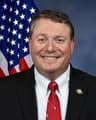 Randy Fine
Republican · Florida
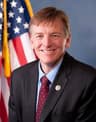 Paul Gosar
Republican · Arizona
 Brandon Gill
Republican · Texas
 Diana Harshbarger
Republican · Tennessee
 Mike Haridopolos
Republican · Florida
 Nancy Mace
Republican · South Carolina
 Mary Miller
Republican · Illinois
 Barry Moore
Republican · Alabama
 Riley Moore
Republican · West Virginia
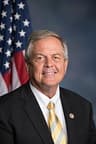 Ralph Norman
Republican · South Carolina
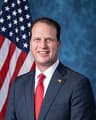 August Pfluger
Republican · Texas
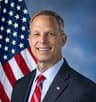 Scott Perry
Republican · Pennsylvania
 Michael Simpson
Republican · Idaho
 Adrian Smith
Republican · Nebraska
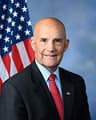 Keith Self
Republican · Texas
 Beth Van Duyne
Republican · Texas