
A Republican bill with 6 Democratic cosponsors · See all 12 cosponsors
Last activity — Referred to the Committee on Energy and Commerce, and in addition to the Committees on Education and Workforce, and Ways and Means, for a period to be subsequently determined by the Speaker, in each case for consideration of such provisions as fall within the jurisdiction of the committee concerned.
In committee
Introduced and handed to a committee in the chamber it started in.
The committee holds it, and most bills are never heard from again. A hearing or a committee vote would be news; silence is the usual outcome, and it kills the bill without anyone voting against it.
Its path through Congress
- Introduced
- In Committee
What this bill would do
The "Patients Deserve Price Tags Act" aims to increase price transparency across the healthcare system. It requires hospitals, clinical diagnostic laboratories, imaging providers, and ambulatory surgical centers to publicly disclose standard charges and shoppable services. Additionally, the bill mandates that health plans provide more detailed information regarding in-network rates and cost-sharing. It also enhances the transparency of group health plans by providing better access to claims and encounter data. Finally, the act requires providers to issue itemized bills and prohibits certain collection actions if transparency requirements are not met.
Yes· 3 of 35
- Scored +8
Does this give people more protection from unfair business practices?
Increases price transparency and provides tools for consumers to estimate healthcare costs.
- Scored +7
Would households on low incomes be better off under this?
Discounted cash prices and price transparency help low-income patients find affordable care.
- Scored +6
Would middle-income households be better off under this?
Improves financial predictability and reduces out-of-pocket surprises.
The opposite
- Scored -2
Does this make it easier to run a small business?
Small hospitals and laboratories may face significant administrative burdens and penalties for compliance.
Who it would affect, and how
Potential Positive Impacts for People
-
Increased Transparency for Hospital Services: Hospitals must disclose standard charges, gross charges, and discounted cash prices for items and services, helping patients understand costs before receiving care. (Section 2)
-
Clearer Pricing for Lab Tests and Imaging: Clinical diagnostic laboratories and imaging service providers are required to make their prices, including negotiated charges and cash prices, available on their websites. (Section 3 and Section 4)
-
Predictable Costs for Surgical Centers: Ambulatory surgical centers must publish lists of their standard charges and prices for shoppable services. (Section 5)
-
Better Health Plan Information: Health plans must provide self-service tools that offer real-time responses regarding in-network rates, cost-sharing amounts, and deductible accumulation. (Section 6)
-
Improved Access to Health Data: Group health plans will have increased access to claims and encounter information, allowing for better determination of payment accuracy. (Section 7)
-
Standardized Itemized Billing: Providers must provide written, itemized bills that include plain language descriptions, billing codes, and information on charity care policies. (Section 11)
-
Protection Against Unexpected Charges: Providers are prohibited from taking collection actions if they have not complied with itemized billing requirements or if the bill exceeds a good faith estimate without documented medical necessity. (Section 11)
Potential Negative Impacts for People
-
Penalties for Non-Compliance: Hospitals, laboratories, and other providers may face significant civil monetary penalties if they fail to meet the new transparency and reporting requirements. (Section 2, Section 3, Section 4, and Section 5)
-
Burden of Compliance for Providers: Hospitals and surgical centers are required to compile and make public extensive charge information, which includes maintaining specific formats and undergoing annual compliance reviews. (Section 2 and Section 5)
-
Potential for Increased Costs for Plans: Health plans are required to submit detailed rate and payment information and undergo audits, which may involve increased administrative efforts. (Section 6)
Groups and Interests Ranking
Every group the model scored this bill for, from -10 to +10. Tap or hover a score for the reason it gave.
- Demographic And Interest Groups
- Would households on low incomes be better off under this? — Discounted cash prices and price transparency help low-income patients find affordable care. Would middle-income households be better off under this? — Improves financial predictability and reduces out-of-pocket surprises. Would immigrants be better off under this? — Self-pay individuals benefit from the mandatory acceptance of discounted cash prices. Would Black Americans be better off under this? — Price transparency can help reduce disparities in healthcare costs. Would Asian Americans be better off under this? — Price transparency can help reduce disparities in healthcare costs. Would billionaires be better off under this? — Increases access to pricing data. Would high-income households be better off under this? — Provides better information for healthcare shopping. Would people with substantial wealth be better off under this? — Increases access to pricing data. Would Hispanic Americans be better off under this? — Price transparency can help reduce disparities in healthcare costs. Would LGBTQ people be better off under this? — Improves transparency for a wide range of medical services. Would men be better off under this? — Improves transparency for a wide range of medical services. Would people in middle age be better off under this? — Increases transparency for those managing chronic conditions or elective surgeries. Would Native Americans be better off under this? — Price transparency can help reduce disparities in healthcare costs. Would people with disabilities be better off under this? — Improves transparency for various necessary medical services. Would retired people be better off under this? — Provides better data for choosing cost-effective care. Would people over 65 be better off under this? — Allows easier comparison of healthcare costs and services. Would students be better off under this? — Improves predictability for those on individual or family plans. Would the very wealthiest people be better off under this? — Increases access to pricing data. Would union members be better off under this? — Improves transparency for those with group health plans. Would people in cities be better off under this? — Increases competition among numerous urban providers. Would white Americans be better off under this? — Price transparency can help reduce disparities in healthcare costs. Would women be better off under this? — Improves transparency for a wide range of medical services. Would people in their twenties and thirties be better off under this? — Provides better tools for those shopping for health plans and services. Would children be better off under this? — Reduces potential healthcare costs for families. Would people in rural areas be better off under this? — Transparency helps, but rural providers may struggle more with compliance costs. Would business owners be better off under this? — Group health plans (often employer-sponsored) get more data, but providers face higher costs.
- Healthcare
- Does this lower what a hospital stay costs? — Mandates the acceptance of discounted cash prices and public disclosure of standard charges. Does this strengthen the Affordable Care Act? — Strengthens transparency requirements within the framework of the Affordable Care Act. Does this make health care easier to get in general? — Reduces financial barriers by allowing patients to find more affordable providers through price transparency. Does this lower the price of prescription medicines? — Requires disclosure of in-network rates and historical net prices for drugs. Does this lower what people pay for private health insurance? — Increased transparency and competition in pricing may put downward pressure on premiums.
- Economy And Finance
- Does this give people more protection from unfair business practices? — Increases price transparency and provides tools for consumers to estimate healthcare costs. Does this make it easier to run a small business? — Small hospitals and laboratories may face significant administrative burdens and penalties for compliance.
- Governance And Ideology
- Does this give the federal government more power? — Increases federal oversight and penalty authority over healthcare providers and insurers. Does this leave more decisions to the states? — Explicitly states it will not supersede state laws unless they conflict with the Act.
- Social Issues And Justice
- Is this likely to lift people out of poverty? — Lower healthcare costs via discounted cash prices benefit low-income individuals.
- 7/13/2026
- 1 Cosponsor added.
- 4/28/2026
- 1 Cosponsor added.
- 2/5/2026
- 1 Cosponsor added.
- 1/21/2026
- 1 Cosponsor added.
- 1/16/2026
- 1 Cosponsor added.
- 12/19/2025
- 2 Cosponsors added.
- 10/21/2025
- 1 Cosponsor added.
- 10/10/2025
- 1 Cosponsor added.
- 9/26/2025
- Referred to the Committee on Energy and Commerce, and in addition to the Committees on Education and Workforce, and Ways and Means, for a period to be subsequently determined by the Speaker, in each case for consideration of such provisions as fall within the jurisdiction of the committee concerned.
- 3 Cosponsors added.
- Introduced in House
4 bills Congress.gov lists as related to this one — companions in the other chamber, earlier versions, and bills this one absorbed or was folded into.
 Ken Calvert
Republican · California
 André Carson
Democrat · Indiana
 Donald Davis
Democrat · North Carolina
 Cleo Fields
Democrat · Louisiana
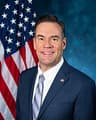 Russ Fulcher
Republican · Idaho
 Maggie Goodlander
Democrat · New Hampshire
 Jennifer Kiggans
Republican · Virginia
 Burgess Owens
Republican · Utah
 Victoria Spartz
Republican · Indiana
 Gabe Vasquez
Democrat · New Mexico
 Eugene Vindman
Democrat · Virginia
 Randy Weber
Republican · Texas