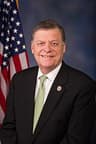
A Republican bill with 9 Democratic cosponsors · See all 19 cosponsors
Last activity — Referred to the House Committee on Energy and Commerce.
In committee
Introduced and handed to a committee in the chamber it started in.
The committee holds it, and most bills are never heard from again. A hearing or a committee vote would be news; silence is the usual outcome, and it kills the bill without anyone voting against it.
Its path through Congress
- Introduced
- In Committee
What this bill would do
H.R. 5428, known as the Medical Student Education Authorization Act of 2025, establishes a grant program managed by the Health Resources and Services Administration. This program awards grants to accredited public institutions of higher education to support medical student education and encourage students to serve as primary care physicians in Tribal, rural, or medically underserved communities. Eligible institutions must be located in states within the top quartile of projected primary care physician shortages. The bill authorizes $75,000,000 for each of fiscal years 2026 through 2028 to carry out these activities.
Yes· 3 of 27
- Scored +7
Would people in rural areas be better off under this?
The bill explicitly prioritizes rural communities suffering from primary care physician shortages.
- Scored +7
Does this make health care easier to get in general?
The bill directly aims to improve healthcare access in Tribal, rural, and medically underserved communities by training and placing primary care physicians.
- Scored +6
Would Native Americans be better off under this?
The bill explicitly prioritizes partnerships with Tribal Colleges, Universities, and federally recognized Tribes to improve healthcare.
The opposite
- Scored -1
Does this reduce what the federal government owes?
The bill authorizes $75,000,000 annually for grants, contributing slightly to federal spending.
- Scored -1
Does this reduce what the federal government spends?
The legislation authorizes new federal appropriations for medical education grants.
Who it would affect, and how
Potential Positive Impacts for People
-
Under section 742(d)(9), institutions can use grant funds to provide scholarships to medical students, which can help reduce the financial burden of medical school.
-
Under section 742(d)(1) and section 742(d)(2), the bill supports community-based training and develops primary care training programs that emphasize care for Tribal, rural, or medically underserved communities, helping to improve healthcare access in those areas.
-
Under section 742(d)(4), grants can be used to develop strategic partnerships with entities like Tribal Colleges or Universities, federally qualified health centers, and rural health clinics, which aims to improve health outcomes for individuals in underserved regions.
Potential Negative Impacts for People
- Under section 742(g), the Secretary may require eligible institutions to provide non-Federal matching funds of up to 10 percent of the total Federal grant amount each fiscal year, which could be a financial burden for the participating schools.
Groups and Interests Ranking
Every group the model scored this bill for, from -10 to +10. Tap or hover a score for the reason it gave.
- Demographic And Interest Groups
- Would people in rural areas be better off under this? — The bill explicitly prioritizes rural communities suffering from primary care physician shortages. Would Native Americans be better off under this? — The bill explicitly prioritizes partnerships with Tribal Colleges, Universities, and federally recognized Tribes to improve healthcare. Would students be better off under this? — Medical students directly benefit through training enhancements, community-based programs, and scholarship availability. Would people in their twenties and thirties be better off under this? — Medical students benefit significantly from scholarship opportunities and training programs funded by the bill. Would farmers be better off under this? — Farmers and agricultural workers living in rural regions will benefit from expanded local healthcare infrastructure. Would households on low incomes be better off under this? — Low-income individuals in rural, Tribal, and underserved communities gain better access to vital healthcare services. Would people with disabilities be better off under this? — Enhanced community health resources and interdisciplinary training help improve care accessibility for individuals with disabilities. Would retired people be better off under this? — Retirees in rural and underserved areas will have better access to primary care physicians to manage chronic conditions. Would people over 65 be better off under this? — Seniors living in rural and underserved areas benefit greatly from increased access to primary care physicians. Would Black Americans be better off under this? — Minority communities often disproportionately reside in medically underserved areas and will benefit from increased healthcare access. Would children be better off under this? — Improved primary care availability benefits families and children in medically underserved regions. Would Hispanic Americans be better off under this? — Hispanic populations in medically underserved regions stand to gain from enhanced primary care availability. Would immigrants be better off under this? — Immigrant populations residing in medically underserved areas will benefit from expanded community healthcare options. Would men be better off under this? — General improvements in primary care access benefit men's health services in rural and underserved regions. Would people in middle age be better off under this? — Access to primary care physicians improves health outcomes for middle-aged residents in shortage areas. Would middle-income households be better off under this? — Middle-class households in designated shortage states benefit from enhanced local primary care options. Would veterans be better off under this, taking everything together? — Veterans living in rural or underserved areas often rely on community health clinics that could see bolstered support. Would white Americans be better off under this? — White Americans living in rural and economically distressed shortage areas will benefit from improved primary care access. Would women be better off under this? — General improvements in primary care access benefit women's health services in rural and underserved regions.
- Education And Technology
- Does this put more money into public schools? — The bill provides substantial grant funding specifically to accredited public institutions of higher education for medical student education. Does this make college cost less? — Grants can be utilized to provide direct scholarships to medical students, lowering their financial burden.
- Healthcare
- Does this make health care easier to get in general? — The bill directly aims to improve healthcare access in Tribal, rural, and medically underserved communities by training and placing primary care physicians.
- Environment Energy And Infrastructure
- Does this invest in rural communities? — The bill explicitly targets rural and Tribal communities for healthcare infrastructure and primary care physician development.
- Social Issues And Justice
- Does this narrow racial gaps in how people are treated? — The legislation places specific emphasis on supporting health outcomes and partnerships within Tribal communities and minority populations. Is this likely to lift people out of poverty? — Providing scholarships and addressing healthcare shortages in impoverished rural and Tribal areas aids overall community welfare.
- Governance And Ideology
- Does this give the federal government more power? — The bill establishes a new federal grant program managed by the Health Resources and Services Administration.
- Economy And Finance
- Is this likely to create jobs? — The bill encourages the training and placement of primary care physicians in underserved areas, slightly boosting healthcare employment opportunities. Does this reduce what the federal government spends? — The legislation authorizes new federal appropriations for medical education grants. Does this reduce what the federal government owes? — The bill authorizes $75,000,000 annually for grants, contributing slightly to federal spending.
- 1/7/2026
- 1 Cosponsor added.
- 12/10/2025
- 2 Cosponsors added.
- 12/9/2025
- 1 Cosponsor added.
- 12/4/2025
- 1 Cosponsor added.
- 12/2/2025
- 1 Cosponsor added.
- 11/20/2025
- 1 Cosponsor added.
- 11/17/2025
- 1 Cosponsor added.
- 11/12/2025
- 1 Cosponsor added.
- 11/7/2025
- 2 Cosponsors added.
- 11/4/2025
- 3 Cosponsors added.
- 10/31/2025
- 2 Cosponsors added.
- 10/28/2025
- 2 Cosponsors added.
- 9/17/2025
- Referred to the House Committee on Energy and Commerce.
- 1 Cosponsor added.
- Introduced in House
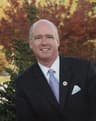 Robert Aderholt
Republican · Alabama
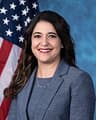 Stephanie Bice
Republican · Oklahoma
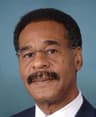 Emanuel Cleaver
Democrat · Missouri
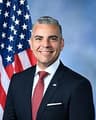 Juan Ciscomani
Republican · Arizona
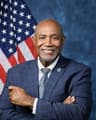 Herbert Conaway
Democrat · New Jersey
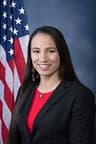 Sharice Davids
Democrat · Kansas
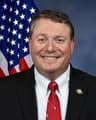 Randy Fine
Republican · Florida
 Josh Gottheimer
Democrat · New Jersey
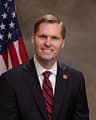 Michael Guest
Republican · Mississippi
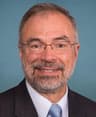 Andy Harris
Republican · Maryland
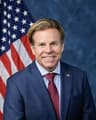 Mike Haridopolos
Republican · Florida
 Pramila Jayapal
Democrat · Washington
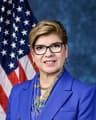 Nellie Pou
Democrat · New Jersey
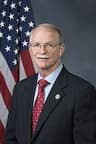 John Rutherford
Republican · Florida
 Darren Soto
Democrat · Florida
 Dina Titus
Democrat · Nevada
 Eugene Vindman
Democrat · Virginia
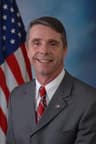 Robert Wittman
Republican · Virginia
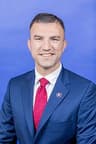 Rudy Yakym
Republican · Indiana