
A Republican bill with 34 Democratic cosponsors · See all 37 cosponsors
Last activity — Referred to the House Committee on Energy and Commerce.
In committee
Introduced and handed to a committee in the chamber it started in.
The committee holds it, and most bills are never heard from again. A hearing or a committee vote would be news; silence is the usual outcome, and it kills the bill without anyone voting against it.
Its path through Congress
- Introduced
- In Committee
What this bill would do
The Sickle Cell Disease Comprehensive Care Act aims to amend the Social Security Act. It enables State Medicaid programs to provide comprehensive and coordinated care through health homes specifically for individuals with sickle cell disease. This change is scheduled to begin on January 1, 2026. The bill allows the Secretary to approve State plan amendments that focus primarily on these individuals. It also establishes specific requirements for dental and vision services within these health homes.
Yes· 3 of 21
- Scored +10
Would Black Americans be better off under this?
Sickle cell disease disproportionately affects African Americans, who are the primary beneficiaries of this act.
- Scored +9
Would households on low incomes be better off under this?
Specifically targets Medicaid-eligible individuals, greatly reducing out-of-pocket costs for care.
- Scored +8
Does this make health care easier to get in general?
Expands access to coordinated care, dental, and vision services for people with sickle cell disease.
The opposite
No question was scored the opposite.
Who it would affect, and how
Potential Positive Impacts for People
-
Coordinated and Comprehensive Care: By allowing State Medicaid programs to use health homes, individuals with sickle cell disease can receive more coordinated care (Section 2, subsection (A)).
-
Expanded Medical Services: States that implement a sickle cell disease-focused plan must ensure that eligible individuals enrolled in the health home receive dental and vision services, regardless of existing state requirements (Section 2, subsection (B)).
-
Access to Best Practices: The Secretary is required to make best practices publicly available on the Centers for Medicare & Medicaid Services website to help design and implement these programs (Section 2, subsection (D)).
Potential Negative Impacts for People
- Reporting Requirements for States: States implementing these specialized plans must submit reports to the Secretary regarding the quality of care, access to care, and total expenditures for these individuals (Section 2, subsection (C)(i)).
Groups and Interests Ranking
Every group the model scored this bill for, from -10 to +10. Tap or hover a score for the reason it gave.
- Demographic And Interest Groups
- Would Black Americans be better off under this? — Sickle cell disease disproportionately affects African Americans, who are the primary beneficiaries of this act. Would households on low incomes be better off under this? — Specifically targets Medicaid-eligible individuals, greatly reducing out-of-pocket costs for care. Would people with disabilities be better off under this? — Provides comprehensive coordinated care for a chronic genetic health condition. Would children be better off under this? — Many sickle cell patients are diagnosed at birth and will benefit from coordinated pediatric care. Would people in middle age be better off under this? — Improves long-term health outcomes for adults with the condition. Would people over 65 be better off under this? — Improves access to comprehensive care for elderly patients with sickle cell disease. Would people in their twenties and thirties be better off under this? — Provides critical transition and coordinated care for young adults with the disease. Would Hispanic Americans be better off under this? — Provides essential care for Hispanic Americans who also carry the sickle cell trait or disease. Would men be better off under this? — Improves healthcare outcomes for men with sickle cell disease. Would women be better off under this? — Improves healthcare outcomes for women with sickle cell disease. Would Asian Americans be better off under this? — Benefits those in Asian populations affected by sickle cell disease. Would Native Americans be better off under this? — Benefits those in Native American populations affected by sickle cell disease. Would white Americans be better off under this? — Provides benefits to the small percentage of White Americans with the disease.
- Social Issues And Justice
- Does this narrow racial gaps in how people are treated? — Addresses a disease that disproportionately affects Black populations by improving specialized care access. Does this expand the rights of people with disabilities? — Provides better health home support for individuals with a chronic genetic blood disorder. Is this likely to lift people out of poverty? — Reduces the financial burden of healthcare for low-income individuals with sickle cell disease.
- Healthcare
- Does this make health care easier to get in general? — Expands access to coordinated care, dental, and vision services for people with sickle cell disease. Does this put more money into Medicaid, the health coverage for people on low incomes? — Allows States to expand Medicaid services via health homes specifically for sickle cell disease.
- Governance And Ideology
- Does this leave more decisions to the states? — Allows States to voluntarily opt-in to create these specific health home programs. Does this make what the government does easier for the public to see? — Requires States to report on quality, access, and spending of the program. Does this give the federal government more power? — Gives the Secretary authority to approve and set standards for State plan amendments.
- 11/2/2026
- 1 Cosponsor added.
- 9/14/2026
- 1 Cosponsor added.
- 9/2/2026
- 1 Cosponsor added.
- 6/29/2026
- 1 Cosponsor added.
- 6/23/2026
- 1 Cosponsor added.
- 6/8/2026
- 2 Cosponsors added.
- 4/22/2026
- 1 Cosponsor added.
- 4/14/2026
- 2 Cosponsors added.
- 3/18/2026
- 1 Cosponsor added.
- 3/3/2026
- 1 Cosponsor added.
- 12/3/2025
- 1 Cosponsor added.
- 10/8/2025
- 1 Cosponsor added.
- 9/30/2025
- 3 Cosponsors added.
- 9/9/2025
- 1 Cosponsor added.
- 9/8/2025
- Referred to the House Committee on Energy and Commerce.
- 19 Cosponsors added.
- Introduced in House
2 bills Congress.gov lists as related to this one — companions in the other chamber, earlier versions, and bills this one absorbed or was folded into.
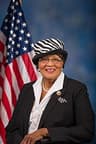 Alma Adams
Democrat · North Carolina
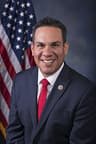 Pete Aguilar
Democrat · California
 Gus Bilirakis
Republican · Florida
 Nikki Budzinski
Democrat · Illinois
 André Carson
Democrat · Indiana
 Earl Carter
Republican · Georgia
 Salud Carbajal
Democrat · California
 Troy Carter
Democrat · Louisiana
 Herbert Conaway
Democrat · New Jersey
 Danny Davis
Democrat · Illinois
 Donald Davis
Democrat · North Carolina
 Suzan DelBene
Democrat · Washington
 Mark DeSaulnier
Democrat · California
 Cleo Fields
Democrat · Louisiana
 Valerie Foushee
Democrat · North Carolina
 Shomari Figures
Democrat · Alabama
 Laura Friedman
Democrat · California
 Al Green
Democrat · Texas
 Josh Gottheimer
Democrat · New Jersey
 Glenn Ivey
Democrat · Maryland
 Henry Johnson
Democrat · Georgia
 Pramila Jayapal
Democrat · Washington
 Jonathan Jackson
Democrat · Illinois
 Julie Johnson
Democrat · Texas
 Gwen Moore
Democrat · Wisconsin
 Seth Moulton
Democrat · Massachusetts
 LaMonica McIver
Democrat · New Jersey
 Sarah McBride
Democrat · Delaware
 Eleanor Norton
Democrat · District of Columbia
 Stacey Plaskett
Democrat · Virgin Islands
 Terri Sewell
Democrat · Alabama
 Darren Soto
Democrat · Florida
 Bennie Thompson
Democrat · Mississippi
 Rashida Tlaib
Democrat · Michigan
 Shri Thanedar
Democrat · Michigan
 Eugene Vindman
Democrat · Virginia
 Joe Wilson
Republican · South Carolina